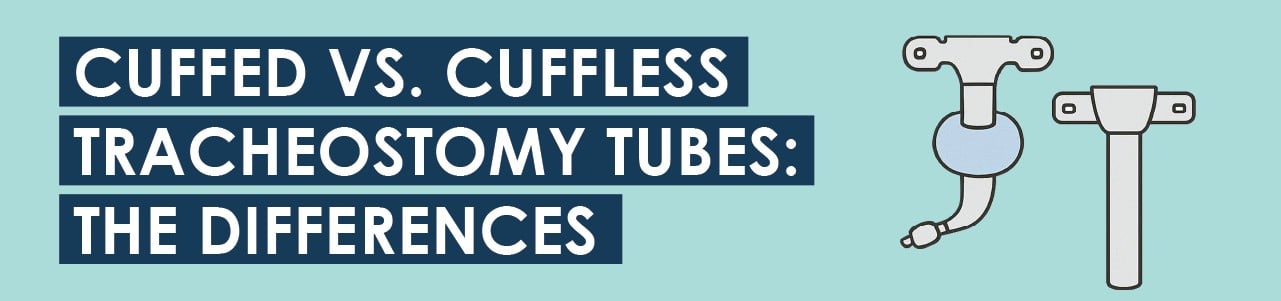
Learn about the different types of tracheostomy tubes and which one may be right for you.
Checkout using your account
Checkout as a new customer
Creating an account has many benefits:
Learn about the different types of tracheostomy tubes and which one may be right for you.

TL;DR: There is no single return-to-activity date that works for every new tattoo. This blog explores how to evaluate each activity by the water, contamination, friction, pressure, stretching, sweat, and sun exposure involved. Brief showering is different from soaking, and light movement is different from heavy exercise or physical work. Follow the tattoo artist’s instructions and pause activities that repeatedly irritate the tattoo or prevent it from staying reasonably clean.
Returning to normal....

TL;DR: Redness, itching, bumps, drainage, warmth, or pain can have several possible causes during tattoo healing. Location, timing, pattern, and progression provide useful context, but they cannot confirm whether the problem is irritation, excess moisture, an adhesive or ink reaction, or infection. Worsening pain, spreading redness, increasing warmth or swelling, concerning drainage, fever, chills, or a tattoo that is not healing should be evaluated by a healthcare professional.
Unexpected changes....

TL;DR: Second skin keeps a fresh tattoo beneath transparent adhesive film while the seal remains intact. Traditional aftercare removes the initial covering and relies on cleansing, pat drying, light moisturizing, and friction control. The better fit depends on the tattoo artist’s instructions, drainage, placement, adhesive sensitivity, and the exact product used.
Second skin and traditional aftercare use different methods to manage a fresh tattoo. Neither is automatically better. The decision depends....
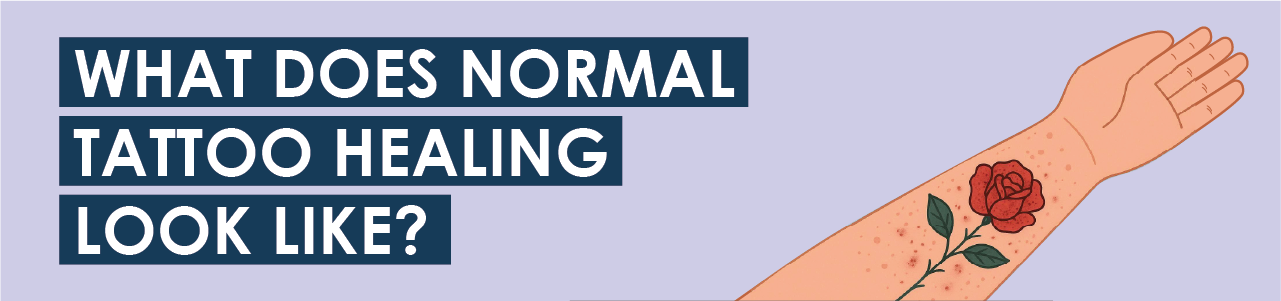
TL;DR: A fresh tattoo may initially feel tender and appear mildly red or swollen. Some clear surface fluid may also appear. As the skin recovers, the tattoo may become dry, tight, itchy, flaky, lightly scabbed, or temporarily dull. Tattoo size, placement, shading, movement, friction, and individual skin characteristics can all affect how quickly those changes occur.
A new tattoo does not immediately look or feel like healed skin. Tattoo needles place pigment beneath the surface while repeatedly affecting....

Sleep has become one of the most tracked health categories among Americans, with nearly half (48%) using wearable devices to track sleep, up from 35% in 2023. Nearly three-quarters of the same respondents (76%) have lost sleep due to sleep problems. Sleep matters more to people than ever, and most still aren't getting enough.
Paying attention to sleep and being able to treat its disorders are two different things. A new analysis by Vitality Medical, The Sleep Apnea Access Index, ranks all....

TL;DR Tranquility Premium OverNight leads in published capacity, extended sizing, breathable construction, and fluid retention while lying down so you can sleep easy. Depend Night Defense focuses on gender-specific fit, cotton-like softness, odor control, and up to 12 hours of urinary leak protection.
Tranquility Overnight Diapers vs. Depend Night Defense compares two pull-on products built for different overnight priorities. The decision depends on fluid output, body measurements, leakage type....
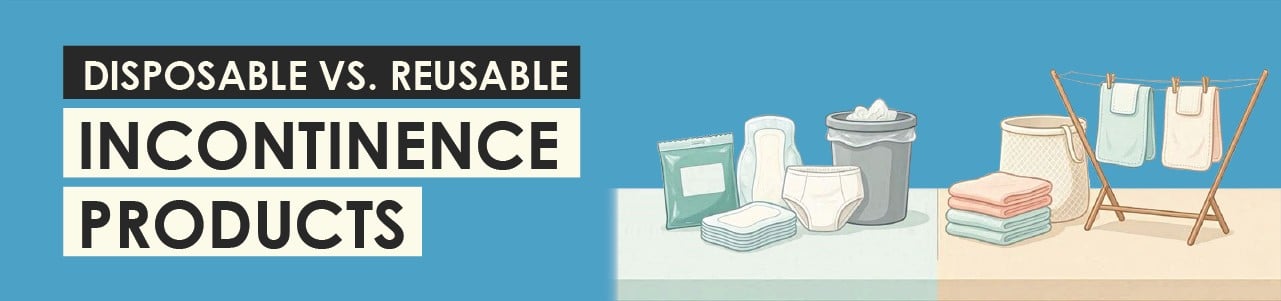
Learn the differences between single-use and washable incontinence products, and how to determine what is best for you or your patient.
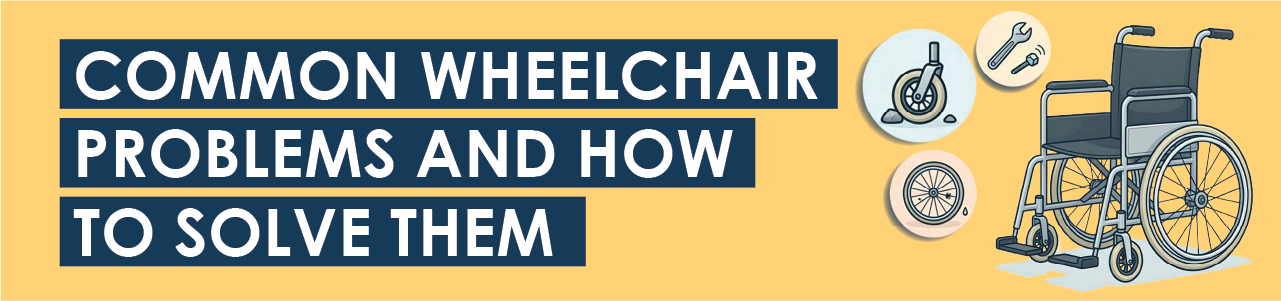
Using a wheelchair everyday comes with its own set of issues, but they are simple to manage with preventive measures and regular maintenance and care. Learn more about common wheelchair issues and how to address them.



Login and Registration Form