Page 3 - Customer & Caregiver Learning Center
-
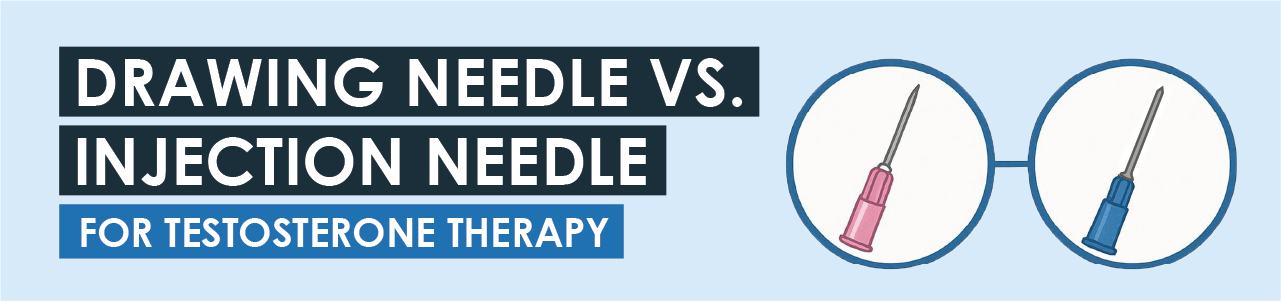
TLDR: Testosterone needle setups can be confusing because the drawing needle, injection needle, syringe, and connection type all need to work together. A drawing needle is used to draw medication from the vial, while an injection needle is used after the medication is in the syringe; therefore, a two-needle setup is part of the prescribed routine.
Understanding Testosterone Needle Setups
Drawing needle vs injection needle for testosterone is not just a definition question. The real issue is understanding....
Read more »
-
TLDR: Norovirus, COVID, colds, flu, and stomach viruses are common concerns in crowded cruise settings. Packing travel disinfecting wipes, hand sanitizer, hand soap or soap sheets, masks or respirators, tissues, disposable gloves, a thermometer, electrolyte packets, resealable bags, and basic first-aid supplies can help passengers stay more organized around handwashing, surface cleaning, coughs, sneezes, and sick-day needs. These items cannot guarantee illness prevention, but they can support cleaner....
Read more »
-
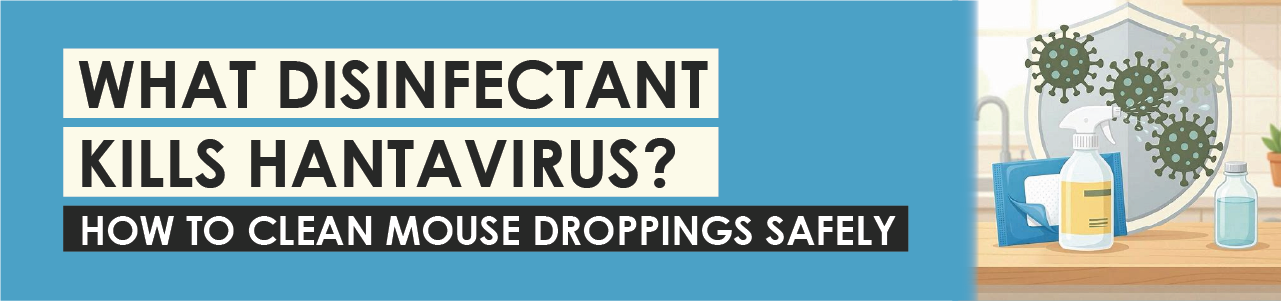
TLDR: Mouse droppings should be sprayed until very wet with a bleach solution or an EPA-registered disinfectant before cleanup. Dry sweeping or vacuuming should be avoided because it can move contaminated particles into the air. The safest approach is to ventilate closed spaces, wear a mask and gloves, wet the droppings first, wait for the correct contact time, wipe up the material with paper towels, bag the waste, and clean nearby hard surfaces.
Mouse droppings in a garage, shed, cabin, basement....
Read more »
-
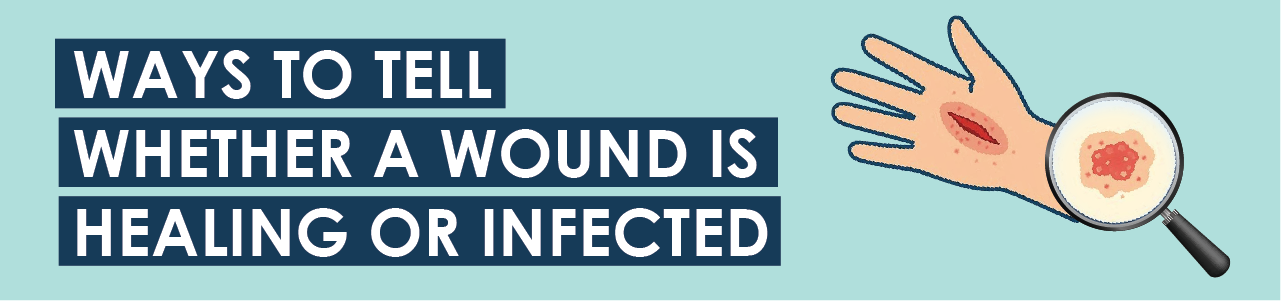
Learn the different ways wounds progress as they heal and how to differentiate these signs from infection.
Read more »
-
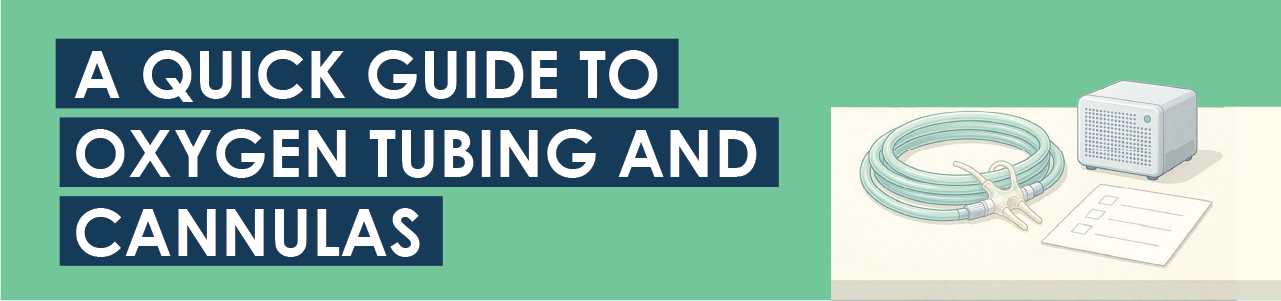
This blog is a guide on the purpose of oxygen tubing and nasal cannulas, and how to use and manage your home therapy equipment.
Read more »
-
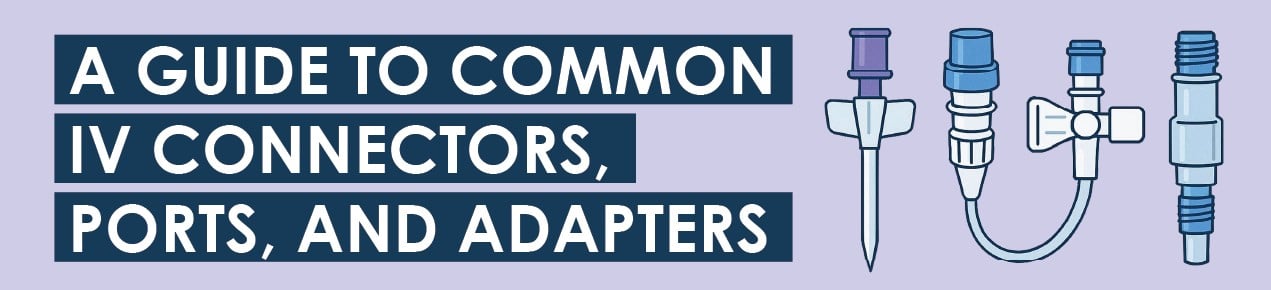
Learn about the role connectors, ports, and adapters play in IV therapy.
Read more »
-
Learn about the importance of adapting medical supplies and equipment to a patient's changing condition and needs.
Read more »
-
TLDR: Most supplies for peptide injections are simple to keep together: syringes, needles if needed, alcohol swabs, gauze or bandages, a sharps container, and optional storage or travel items. Keeping these basics in one place makes them easier to find, check, and reorder.
For GLP-1, GLP-2, semaglutide, tirzepatide, or other peptide-related supply orders, the product listing should make it clear whether the needle is attached or purchased separately.
What Supplies Are Needed for Peptide Injections....
Read more »
-
TLDR: Peptide syringe sizes describe barrel capacity, such as 0.3 mL, 0.5 mL, or 1 mL. Needle size usually refers to gauge and length, such as 29G, 30G, 31G, 5/16 inch, or 1/2 inch. U-100 markings help compare syringe listings, but are not the same as the medication dose.
Peptide Syringe And Needle Sizes Explained: mL, Gauge, And Needle Length
The sizes can be confusing because product listings often combine several details within that syringe name. For example, a syringe may be listed as 1 mL, 30G....
Read more »
-
TLDR: GLP-1, GLP-2, and peptide-related therapies may require small-volume syringes with clear markings, commonly known as U-100 insulin syringes or compatible Luer lock syringes when medication requires a detachable needle. The main details to check are medication format, syringe capacity, unit markings, needle attachment style, gauge, and needle length. This guide explains syringe types and buying considerations only. It does not provide dosing, reconstitution, or injection instructions.
What Syringes....
Read more »



Login and Registration Form