Quick Summary:
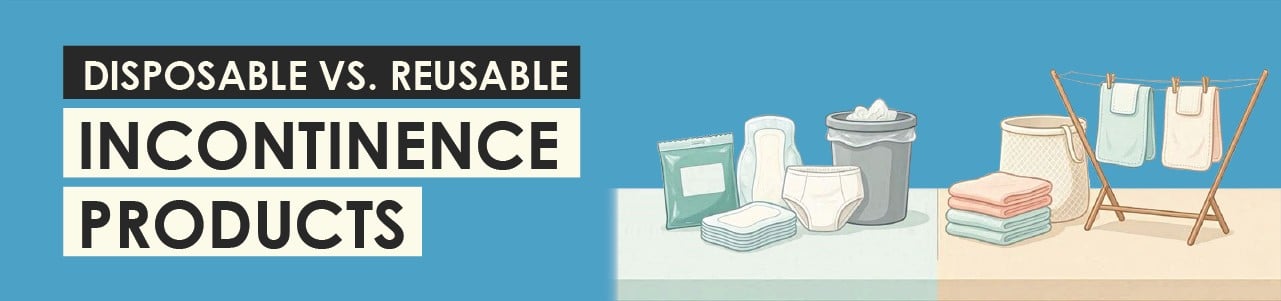
Learn the differences between single-use and washable incontinence products, and how to determine what is best for you or your patient.
Click a link to jump to the section.
- Overview of Incontinence Product Categories
- Disposable Incontinence Products Explained
- Reusable Incontinence Products Explained
- Absorbency and Daily Performance Considerations
- Comfort, Fit, and Skin Contact Factors
- Cleaning, Disposal, and Ongoing Care
- Cost, Storage, and Supply Management
- Safety and General Use Considerations
Introduction
Incontinence affects millions of Americans for a variety of different reasons, from age or neurological issues to surgery or preganancy/childbirth. Incontinence care products help patients and caregivers maintain and enjoy daily life activities without the constant worry about bladder or bowel accidents. There are a variety of products to meet patient needs based on gender, comfort preferences, and absorbency, and all of these factors should be considered when finding the best product.
It is important to note that the cause and severity of a patient’s incontinence will affect their absorbency level needs. This can impact which products to use during daily continence management; reusable products can be better for lower to medium absorbency needs, while disposable products offer higher absorbency, making them more effective for heavy or high-volume incontinence. Caregivers and individuals need to keep these differences in mind when stocking home care supplies, as the proper incontinence products help maintain patient hygiene and confidence.
Overview of Incontinence Product Categories
The most common types of adult incontinence products on the market are:
- disposable tab briefs
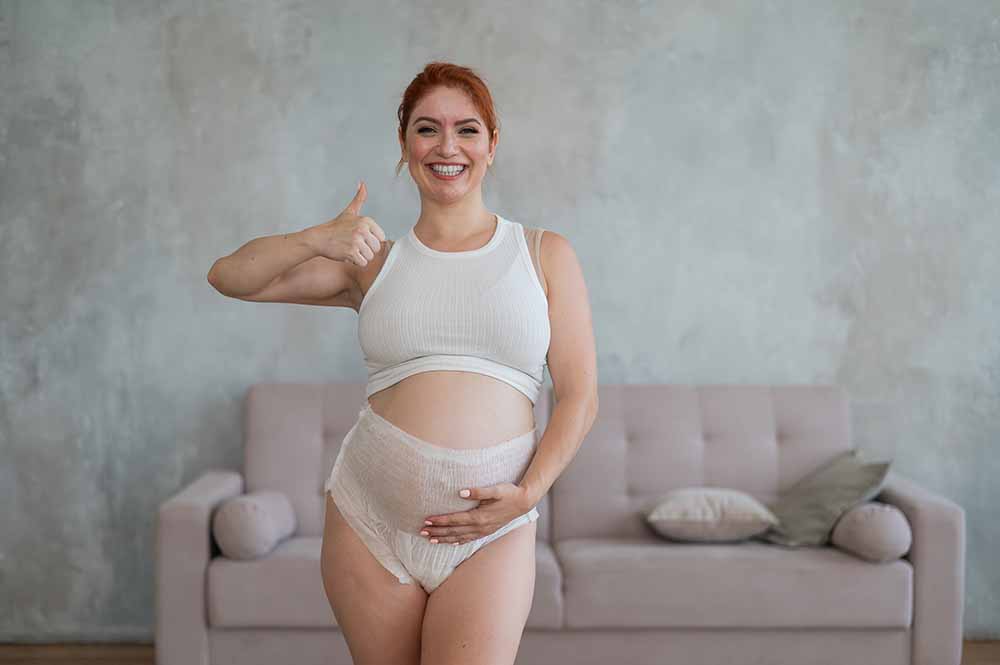
- pull-on underwear style diapers
- washable incontinence underwear
- underpads for furniture protection
- insert liners for underwear
Reusable and disposable incontinence products are similar in their basic anatomy, typically comprising of 3 layers:
- Wicking layer, which pulls liquid away from the patient’s skin
- Retention layer, which absorbs the liquid
- Waterproof layer, which keeps liquid from leaking onto other fabrics and surfaces.
The main differences in disposable and reusable incontinence products come from their materials and absorbency capabilities. Wearable reusable care products and protective beddings, which are ideal for long-term incontinence care, are often made of fabrics such as cotton, polyester, or nylon. Active patients may also prefer washable products, as they are more discreet in size than traditional disposable briefs.
In contrast, their disposable counterparts are typically made from fabric-like materials and superabsorbent polymers. These polymers can absorb more than reusable products and also have core technology to retain the fluid and offer odor control. These products provide leakage protection with style options that ease caregivers. Disposable tab-style briefs like the Tranquility All-Through-the-Night Briefs can also be beneficial for immobile patients because they are easier for caretakers to apply, remove, and dispose of.
Disposable Incontinence Products
The most common type of incontinence products are disposable, designed for temporary protection from bladder leaks and bowel movements. Types of disposable incontinence products are:
- Tab-style briefs (disposable only)
- Underwear-style pull-on briefs
- Furniture incontinence pads
- Insert absorbent liners (both male and female)
- Hygiene wipes
Many single-use hygiene products are often made of soft, plant-based fibers that mimic a cloth-like feel for maximized comfort. The other major component of disposable incontinence care is the superabsorbent polymers, which absorb and retain liquid to keep moisture away from the wearer. Other absorbency features include the following:
- Gel cores, which take in and store liquid to ensure the wearer stays dry and comfortable.
- Odor control technology suppresses and contains odors, helping support wearer confidence
- Gathers, or leg cuffs, in wearable incontinence products, which prevent leaking around the legs
- Waterproof outer layer prevents clothes, belongings, and bedding from getting soiled
- Adhesive tear-away tabs on certain brief styles make application and removal simple
Disposable products are used in a wide range of settings, from home to hospital to on-the-go. Overnight wearables keep users and their belongings secure during sleep. Underpads and tab briefs help manage incontinence of immobile patients. Insert pads provide discreet protection for active users by conforming to anatomy and fitting securely inside underwear. Wipes like the Prevail Adult Disposable Washcloths help keep skin clean during changes.
Reusable Incontinence Products Explained
Reusable incontinence products are very similar in use, type, and construction to their disposable counterparts. Where users tend to choose reusable options comes down to reasoning. Some reasons caretakers or patients may prefer reusable products like First Quality's Snap Pants include:
- Saving money during long-term incontinence care
- Reusable products have less environmental impact on landfills by limiting waste
- Fabric is less likely than disposable materials to cause skin rashes, with proper product changes
- Comfort and familiarity when wearing
As discussed previously, reusable products share similar construction to disposable products - most containing wicking, absorbent, and waterproof layers. The most common materials used in washable incontinence underwear and other reusable products are:
- Cotton, chosen for its breathability and closeness to regular underwear
- Nylon/Lycra, which is stretchable and contours to the body for a more secure fit
- Plastic, which prevents liquid from leaking onto other clothing at the cost of not being breathable
Reusable absorbent pads also have two construction options: either laminated or quilted. Quilted underpads have their layers stitched together, whereas laminated underpads have their layers bonded together. The underpad's lamination is laundry-safe, and it also increases the fabric's durability.
Absorbency and Daily Performance Considerations
Absorbent gel cores help manage liquid in disposable and absorbent products along with wicking inner layers that pull liquid away from the skin and down into the gel core. It is important for caretakers to change incontinence products - even disposable high absorbency briefs like Prevail Maximum Absorbency Daily Underwear - whenever they’ve reached capacity, as their various features, such as leak protection and moisture control, begin to fail after repeated use at maximum capacity.
Reusable incontinence products use absorbent materials like cotton and nylon in order to withstand frequent laundering. It is recommended to cycle through multiple to promote hygiene and maintain the integrity of the product. Some reusable products, such as underpads, have laminated backings to help protect them from consistent washing.
Making sure the patient has the proper product for their incontinence needs will improve the daily performance of their ongoing care. Frequency levels, patient comfort, and whether the patient is experiencing long-term or short-term incontinence will have an effect on which products best suit them.
Comfort, Fit, and Skin Contact Factors
The materials of products have a major effect on patient comfort. Disposable briefs and underpads, like the WINGS Premium Underpads, are often made with breathable materials to keep the wearer’s skin cool. However, extended disposable products are more likely to cause skin rashes, which are caused by infrequent changes and extended exposure to moisture and friction. This is where the skin contact comfort of cotton and nylon reusable materials is beneficial, as they help reduce the risk of rashes. In the case of underpads, disposable materials run the risk of bunching more often than reusable ones, running a higher risk of rashes and sores.
Sizing considerations for incontinence are very important for the following reasons:
- They cannot keep users properly protected without a secure fit. Make sure to follow sizing guides provided by the manufacturer
- Correctly sized products will greatly improve wearer comfort and confidence
- Bariatric incontinence products have higher coverage and hip and waist measurements, and are needed to minimize the risk of tearing or bunching during movement
Breathability and flexibility, while both very important factors, are notably different. Breathability refers to the product’s ability to enable airflow to get to the wearer’s skin to keep them cool, comfortable, and rash-free. Flexibility, on the other hand, is how easy the material is to put on/remove and how well it fits and contours to the wearer’s body. These factors will often come down to patient preference, but should also be considered by caretakers to confirm patient needs are being met.
Cleaning, Disposal, and Ongoing Care
The two major factors that will determine how often product disposal should take place for single-use items are the frequency of the patient’s incontinence and the absorbency level of the product itself. Hygiene routines should incorporate proper cleaning with wipes or soap and water between changes to ensure the wearer is kept clean.
When laundering reusable items, be sure to reference the care instructions provided by the manufacturer to ensure they are cleaned properly, maintain their durability, and do not shrink. Products will indicate whether they are machine washable to cater to customer convenience.
In most cases, people with long-term incontinence will benefit from reusable products by saving money on constantly replacing disposables. However, it is wise to put forward a small investment in multiple reusable products to ensure hygiene by rotating which items are being used. This is initially more expensive than disposable products, but will save money over time.

Cost, Storage, and Supply Management
As mentioned previously, disposable products will need to be replaced semi-frequently to meet the patient’s demand. Bulk purchasing or auto-shipping on determined replacement schedules could be useful to help maintain ongoing supply needs, especially for hospitals/care centers or patients with long-term incontinence. Meanwhile, caregivers should keep enough reusable products on hand to safely and hygienically keep up with patients' incontinence frequency, such as these multi-pack Reusable Waterproof Bed Underpads from Beck's Classic. Storage planning is important as well, as they should be stored in a secure, clean space to keep care products in good condition.
Safety and General Use Considerations
The best way to keep incontinence products - disposable and reusable, both - in the best condition for use is to follow the manufacturer guidelines for proper product use and care. Sizing and application guides are the most important instructions to note for disposable products to limit skin damage, provide optimal coverage, and maximize patient comfort. These factors should be considered for reusable products with the addition of laundering instructions to ensure the products are long-lasting and consistent. Hygiene support is key during incontinence care, and manufacturer instructions will help users maintain it.
Conclusion
While disposable and reusable incontinence products share many similarities in their application, it is important to remember their key differences for daily care support:
- Disposable products are single-use, while reusable ones are washable
- Disposable products use absorbent polymers with gel technology and odor control that lend well to heavier incontinence
- Reusable products are ideal for low to moderate urinary incontinence. The materials may be gentle or soft to the skin. Overall, it's for individuals who want to limit costs during long-term incontinence care or want to reduce their impact on landfills.
Caregivers should consider their patients’ absorbency needs during continence product planning and match the right incontinence product to their situation and comfort. No matter what product type is used, the key is to promptly change when it is at full capacity to keep the skin dry and healthy. The best way to maintain their comfort and lifestyle is to keep them secure and clean with proper supply readiness and the products best suited for them.

Login and Registration Form