
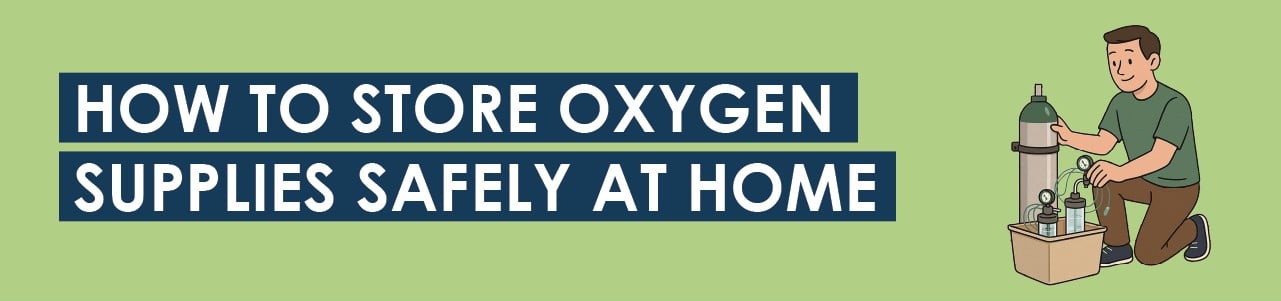
If you rely on oxygen equipment, plan ahead for potential power outages. Keeping backup oxygen supplies, having trusted contacts, and knowing how much oxygen you have are all important parts of emergency planning.
Checkout using your account
Checkout as a new customer
Creating an account has many benefits:
This section presents articles about respiratory therapy products and accessories, with a focus on device features, usability, and product comparison. Readers can explore posts covering items like nebulizers, tubing, masks, and humidification systems to better understand available options.
More blogs will be added over time to reflect new developments, technology updates, and category trends. To begin, read one of the featured articles and discover how various respiratory tools may support care and comfort in breathing support routines.
If you rely on oxygen equipment, plan ahead for potential power outages. Keeping backup oxygen supplies, having trusted contacts, and knowing how much oxygen you have are all important parts of emergency planning.
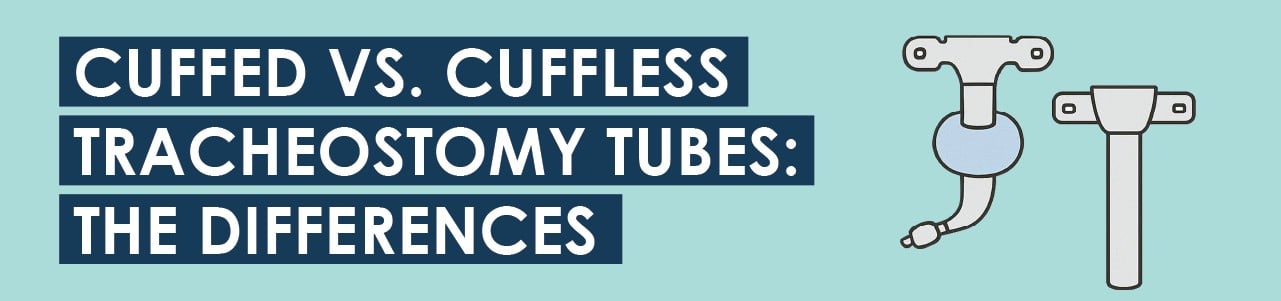
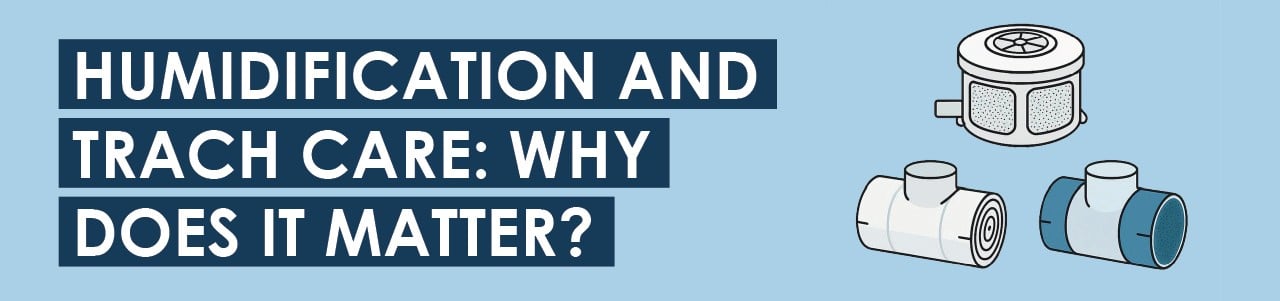
Learn about the different types of tracheostomy tubes and which one may be right for you.

Sleep has become one of the most tracked health categories among Americans, with nearly half (48%) using wearable devices to track sleep, up from 35% in 2023. Nearly three-quarters of the same respondents (76%) have lost sleep due to sleep problems. Sleep matters more to people than ever, and most still aren't getting enough.
Paying attention to sleep and being able to treat its disorders are two different things. A new analysis by Vitality Medical, The Sleep Apnea Access Index, ranks all....
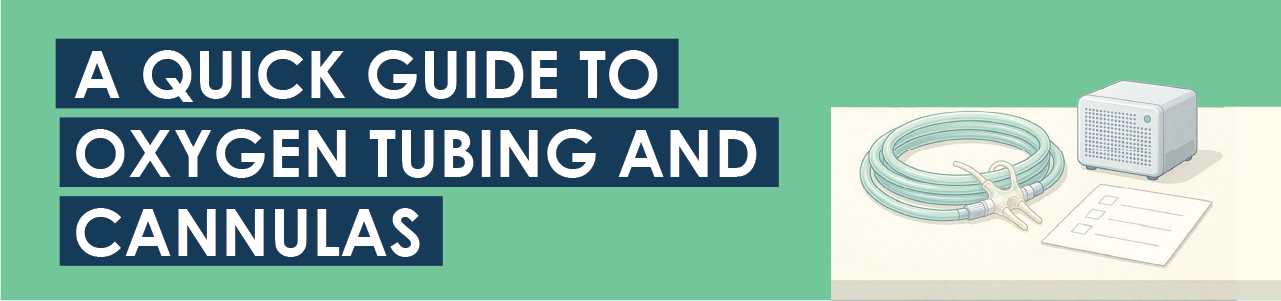
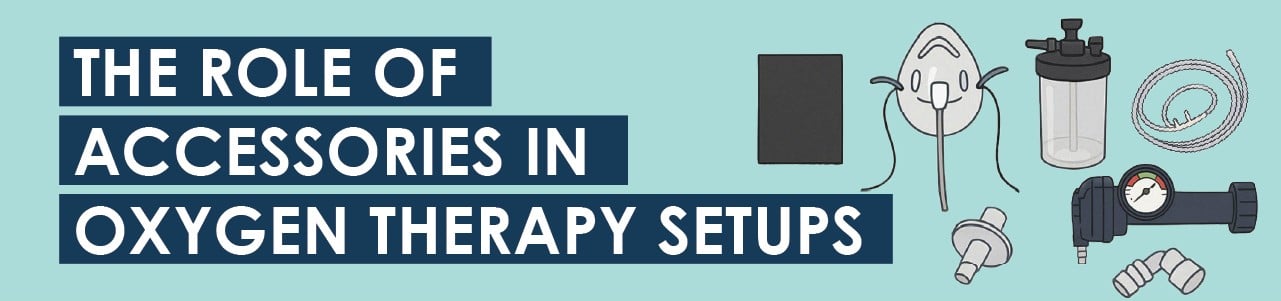
This blog is a guide on the purpose of oxygen tubing and nasal cannulas, and how to use and manage your home therapy equipment.
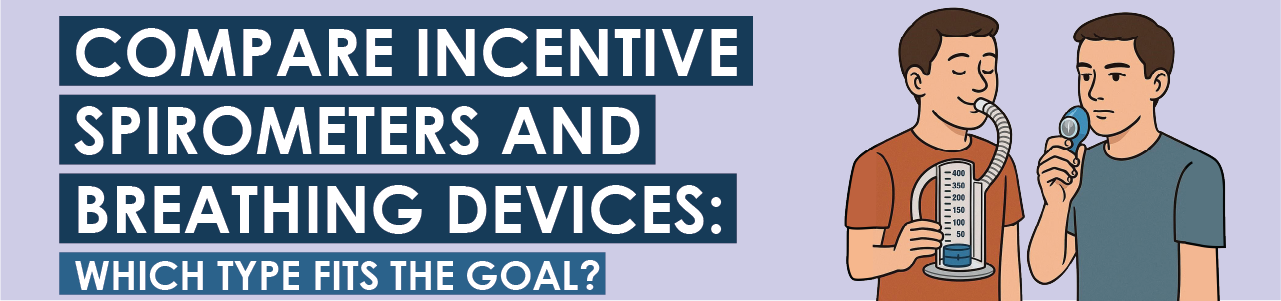
TL;DR
Not every breathing device is solving the same problem. Standard volumetric incentive spirometers fit basic post-op lung expansion and guided deep breathing.
Inspiratory exerciser formats can offer a different visual-feedback style. Respiratory muscle trainers are built for a different training goal than basic post-op spirometer use.
Spirometry systems fit testing and measurement, not simple home recovery breathing support.
Not every breathing device is built for the same use. Some products....
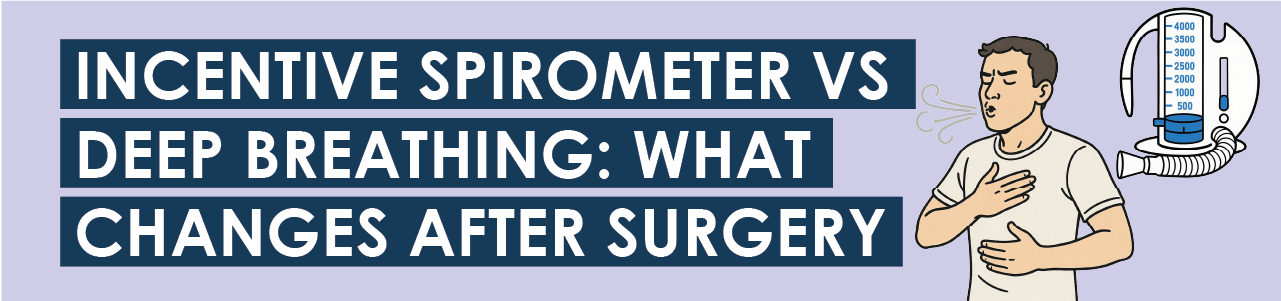
TL;DR
Deep breathing after surgery matters and can be performed with or without a device. An incentive spirometer adds visual feedback and measurable targets.
That feedback can make guided breathing easier to repeat for some users. Not every product on the category page serves the same purpose.
Standard post-op lung expansion and respiratory muscle training are different use cases.
If deep breathing is already part of recovery, what does the incentive spirometer actually add? Many patients are told....

TL;DR
The ball or piston may not move much because deep breathing is still weak, sore, or guarded after surgery. Poor seal, rushed breathing, or trying to force the wrong pattern can also affect what the device shows.
A lower reading does not always mean the device is failing. Repeated, controlled breaths matter more than one dramatic attempt.
Some users may respond better to a different visual-feedback format than the one they started with.
One of the most frustrating things that can happen after....


Login and Registration Form