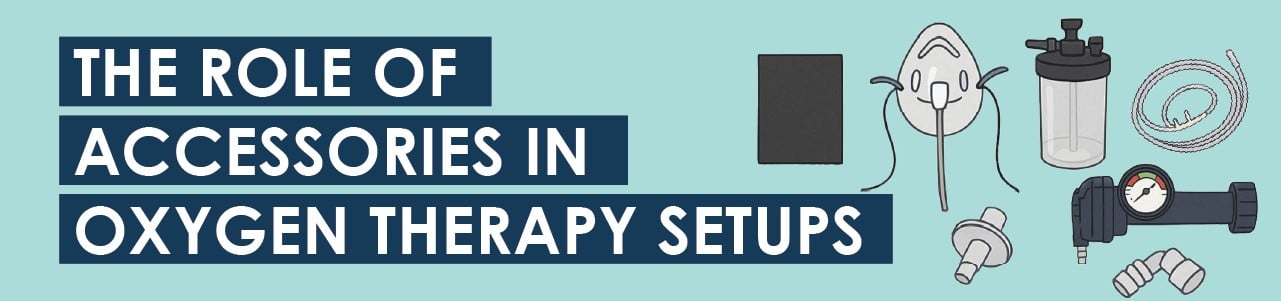
Quick Summary:
Learn about the different accessories that assist with oxygen therapy.
- Overview of Oxygen Therapy Setups
- Oxygen Tubing and Connection Accessories
- Cannulas, Masks, and Delivery Interfaces
- Humidification and Moisture Management Accessories
- Mobility and Tubing Management Accessories
- Safety and Stabilization Accessories
- Maintenance, Replacement, and Supply Management
- Compatibility and General Use Considerations
Introduction
Oxygen needs vary by patient and affect how caregivers plan equipment, supplies, and mobility support. There are different types of oxygen therapy equipment and delivery devices based on the patient’s physical and lifestyle needs, as well as various accessories that help manage the use of home oxygen setups. Respiratory accessories may help manage equipment, support mobility, and improve comfort during prescribed oxygen use.
Overview of Oxygen Therapy Setups
Core Components of an Oxygen Therapy System
The essential oxygen therapy components are the oxygen supply and oxygen delivery systems. The appropriate equipment depends on the prescribed oxygen needs, care setting, and daily activities.
- Oxygen Sources:
- Stationary Oxygen Concentrators
- Portable Oxygen Concentrators
- Compressed Oxygen Cylinders
- Liquid Oxygen Systems
- Oxygen Delivery Interfaces:
- Nasal Cannulas
- Face Masks
- Non-Rebreather Masks
Oxygen concentrators, both portable - like the Inogen Rove 6 - and home systems, provide oxygen by concentrating the room air into a breathable mixture. Oxygen concentrators draw in room air and remove nitrogen to produce oxygen-enriched gas. Unlike cylinders and liquid oxygen systems, concentrators do not require routine oxygen refills, but they require a reliable power source and regular equipment maintenance. Stationary concentrators require electrical power, while portable concentrators may use rechargeable batteries, AC power, or compatible DC power. Compressed oxygen cylinders and liquid oxygen systems do not normally require electricity to deliver oxygen, but their supplies must be replenished.1
How Accessories Help Connect, Manage, and Deliver Oxygen
Nasal cannulas, face masks, and non-rebreather masks all deliver oxygen to the patient; the prescribed oxygen level, delivery method, activity needs, and patient tolerance help determine which interface is appropriate. Other respiratory support equipment includes the following:
- Humidifiers
- Canister Carrying Backpacks
- Oxygen Regulators
- Portable Oxygen Concentrator Straps
- Cannula Ear Cuffs
Oxygen Tubing and Connection Accessories
Oxygen tubing connects one’s oxygen supply to their delivery devices. Extension tubing can increase movement around the home, but the total tubing length must remain within the oxygen-equipment manufacturer’s limits; extension tubing is more convenient for home oxygen concentrators to provide users with more freedom of movement, while shorter tubing can be less cumbersome during travel with portable oxygen concentrators.2
Secure, compatible fittings help maintain the connection and reduce the risk of leaks or accidental disconnection.
Cannulas, Masks, and Delivery Interfaces
How Delivery Interfaces Affect Oxygen Delivery
Delivery interfaces, or liquid oxygen delivery systems, are paired with either concentrators or canisters to provide oxygen to users. Nasal cannulas, like the Salter Labs SOFT, and oxygen masks are common delivery interfaces.
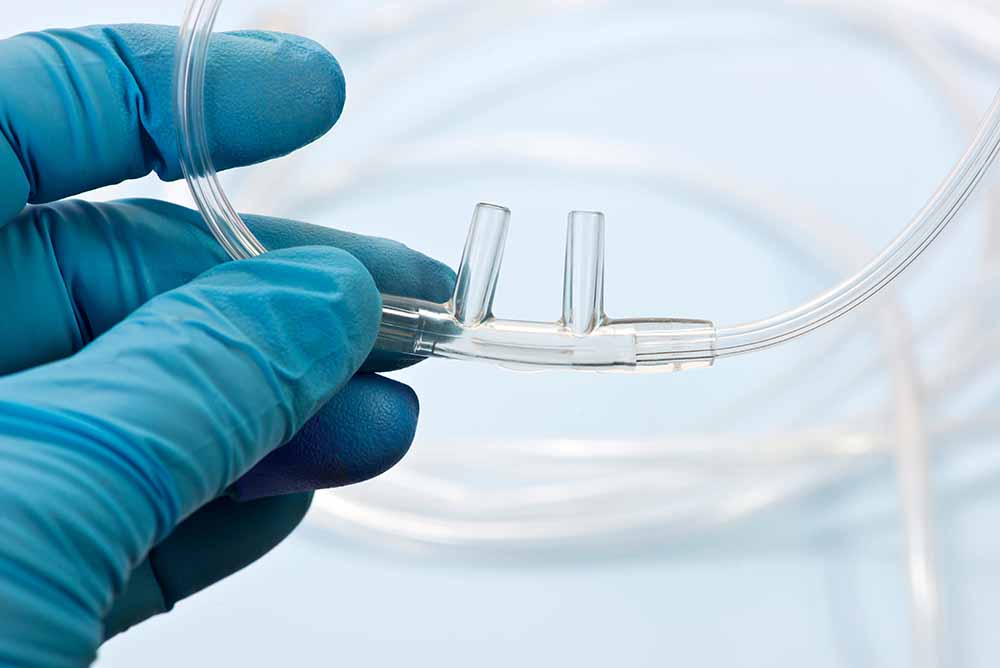
- A nasal cannula is lightweight tubing with two prongs that rest just inside the nostrils. The tubing commonly passes over the ears and connects to the oxygen source. They are the most common type of oxygen delivery, and may be more suited for low-flow oxygen.
- Some face masks can deliver a higher oxygen concentration than a standard nasal cannula, but performance depends on the type of mask, oxygen setting, fit, and breathing pattern.
- Non-rebreather masks use a reservoir bag and one-way valves to provide high-concentration oxygen. These masks are generally used for short-term emergency or acute-care oxygen delivery and require an adequate continuous oxygen flow to keep the reservoir bag inflated.
- Venturi masks mix oxygen with a controlled amount of room air to deliver a specific oxygen concentration. Different adapters or settings provide different oxygen concentrations. Humidification may be added to some oxygen-delivery systems when clinically appropriate and compatible with the equipment.3
Matching Interfaces to Daily Routines and Mobility Needs
A clinician or respiratory care professional should determine the appropriate interface and oxygen setting. Comfort, mobility, and daily activities may be considered when reviewing available options. Some users may find the cannula prongs irritating on the nostrils, while others may find the coverage of face masks restrictive. Compatible tubing lengths may support different mobility needs, but all tubing, connectors, and oxygen sources must remain within the limits established by the equipment manufacturer and oxygen supplier.
Humidification and Moisture Management
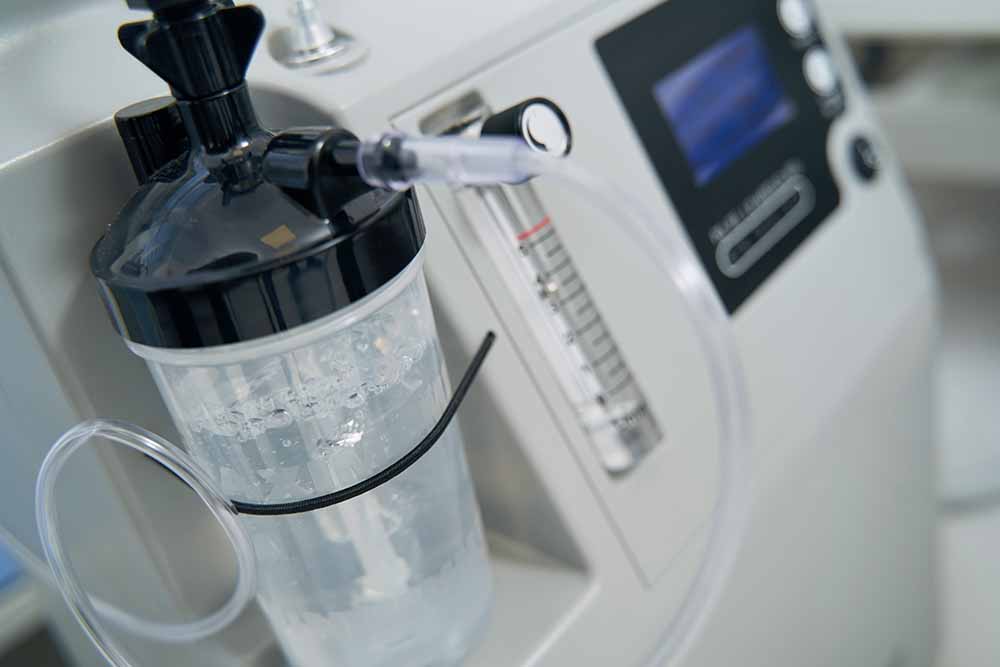
A humidifier bottle may be recommended for compatible continuous-flow oxygen systems when dryness occurs or when higher continuous flows are prescribed. A compatible humidifier bottle may be recommended for continuous-flow oxygen above 4 L/min or when nasal dryness occurs. Humidification may improve comfort for some users but should be added only when directed by the clinician or oxygen equipment provider.1 Oxygen humidification can be provided by bottles such as the Bubble Humidifier.
Mobility and Tubing Management Accessories
Tubing, while necessary for oxygen therapy, can become tangled, be difficult to manage, and simply be annoying for users to handle. Because of this, it becomes important to have accessories to aid tubing management and provide mobility support. Such accessories include the following:
- Oxygen tubing reels, which help manage lengthy tubes in home oxygen concentrators, may help organize excess tubing and reduce loose tubing on the floor.
- Tubing clips may help keep tubing closer to clothing or a carrying bag.
- Adhesive cannula holders attach to the skin and may help position compatible tubing around the face.
- Cannula comfort accessories like ear cushions may reduce pressure and friction around the ears.
Safety and Stabilization Accessories
Equipment security and supply are important, especially when using compressed oxygen cylinders or liquid oxygen containers. Oxygen tank carts such as the Drive Medical oxygen cart help cylinder stabilization and keep cylinders upright during movement. Oxygen cylinders should remain secured according to the supplier’s instructions. No-smoking signs can help alert household members and visitors that oxygen is in use, but signs do not replace fire-safety procedures.
Maintenance, Replacement, and Supply Management
Supply management is highly important in oxygen therapy. Compressed oxygen cylinders and liquid oxygen supplies must be replaced or replenished according to usage and the oxygen supplier’s schedule. Patients who rely on a concentrator should follow the emergency plan established with the clinician and oxygen supplier. The plan may include a backup cylinder or another approved power or oxygen source. Caregivers should follow replacement schedules, track available supplies, and rotate inventory when required.
Compatibility and General Use Considerations
Caregivers should follow the oxygen supplier’s and equipment manufacturer’s instructions. Following manufacturer guidelines, confirming accessories are compatible with equipment, and ensuring safe oxygen setup are all important tasks to maintain. Connector compatibility, cleaning methods, and replacement schedules should follow the equipment manufacturer’s instructions.
Conclusion
Effective oxygen therapy is maintained through correct equipment selection, compatible accessories, proper maintenance, and adherence to the prescription support oxygen therapy. A patient’s mobility needs, comfort, and prescribed oxygen flow, dose, or settings should all be taken into account when supplying them with oxygen therapy and selecting accessories. Oxygen-use schedules vary. Some patients require continuous oxygen, while others use it only during certain activities or times of day.
Footnotes
- 1 "Oxygen Delivery Devices and Accessories" American Lung Association. Accessed 17 July 2026.
- 2 Vasta, Chris. "Does The Length Of Oxygen Tubing Matter" The CPAP Shop, Updated March 2026. Accessed 17 July 2026.
- 3 Hardavella, Georgia, et al. Oxygen Devices and Delivery Systems. Accessed 17 July 2026.

Login and Registration Form