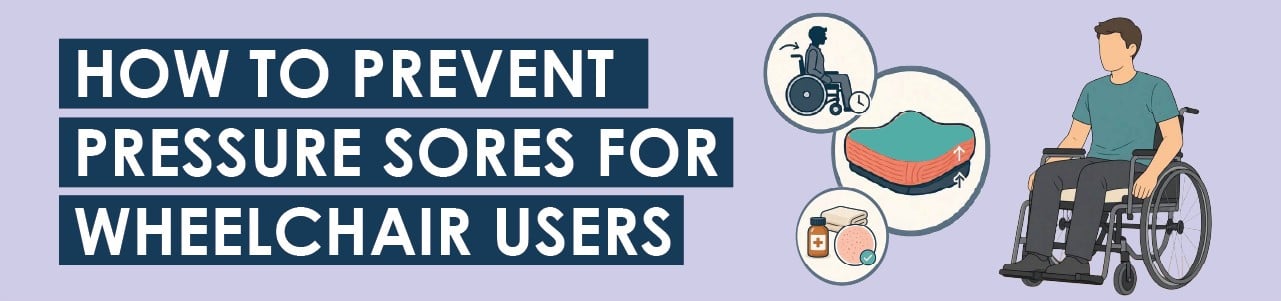
Quick Summary:
Wheelchairs improve the daily lives of millions of people worldwide. However, even with this wonderful mobility aid, users face the risk of pressure sores.
Pressure injuries are localized areas of skin or underlying tissue damage caused by intense or prolonged pressure, or pressure combined with shear. Moisture, heat, nutrition, circulation, and other factors can affect how well tissue tolerates pressure. They are common, but there are a few ways to reduce the risk of them developing. A few strategies include:
- Finding a pressure-redistributing, breathable seat cushion or other protective padding that fits the wheelchair
- Periodically moving and shifting weight
- Staying vigilant of hard surfaces that come into contact with skin
- Adjusting and replacing equipment as needs change over time
Click a link to jump to the section.
- Introduction
- Understanding Pressure Sores in Wheelchair Use
- Role of Wheelchair Seating and Support Surfaces
- Importance of Positioning and Weight Shifting
- Skin Protection and Surface Contact Considerations
- Daily Routines and Equipment Checks
- Managing Moisture and Heat During Extended Sitting
- Adapting Equipment as Needs Change
- Conclusion
Introduction
Many wheelchair users spend hours seated every day. Prolonged sitting impacts the pressure placed on skin and other tissues. Skin protection and wheelchair pressure management can minimize mobility-related pressure risks.
This blog explores the causes and signs of pressure sores, as well as how to reduce the risk of developing them.
Understanding Pressure Sores in Wheelchair Use
What are pressure sores?
Pressure sores are areas of skin damage. They are a common concern for wheelchair users and other individuals with limited mobility.
Why do you get pressure sores?
Factors that can contribute to pressure injuries include:
- Sustained pressure from sitting or lying in one position for extended periods of time
- Friction from something constantly rubbing against the skin
- Pressure combined with shear, which can occur when the body slides while the skin remains against the seating surface
Medical devices can also create pressure against the skin and contribute to pressure injuries.
Where do you get pressure sores?
Pressure sores may occur around bony prominences such as:
- Tailbone
- Shoulder blades
- Spine
- Backs of arms
- Backs of legs
- Elbows
- Heels
- Ankles
- Knees
- Hips
- Buttocks
- Lower back
- Back of head
- Ears1
Who gets pressure sores?
Anyone who spends a significant amount of time sitting or lying down can get pressure sores, but some are at a higher risk than others. Among them are people who:
- Cannot move on their own
- Have limited sensation in their legs
- Have a history of pressure sores
- Are older adults
- Are overweight
- Are underweight
- Are poorly hydrated
- Sweat a lot
- Experience daily incontinence1
The Braden Scale2 is a helpful tool in determining how at risk someone is of a pressure sore. It uses a rubric of six risk factors: sensory perception, moisture, activity, mobility, nutrition, friction/shear. Five subscales are scored from one to four, while friction and shear are scored from one to three. Results are added together for a total score. The lower the Braden Scale score, the greater the risk of developing a pressure injury.
How do you identify a pressure sore?
Many symptoms can indicate pressure sores, including:
- Discolored skin
- Skin redness
- Changes in skin texture
- Swelling
- Soreness
- Noticeable temperature differences compared to other skin areas
Always ask your doctor about any concerns or questions.
Role of Wheelchair Seating and Support Surfaces
Wheelchair cushion design, material, fit, and positioning can affect pressure distribution. Finding a cushion with the right fit and positioning makes a significant difference. Gel and foam cushions are available in designs intended to provide support and redistribute pressure.
These supportive cushions are available in a variety of materials, including gel and foam.
Vitality Medical offers several pressure-redistributing wheelchair cushions, such as:
- Roho Select High Profile Wheelchair Cushion
- Gel Cushion
- Libra Cushion
- Contoured Wheelchair Cushion
- Drive GEL Wheelchair Seat Cushion
- Contour Cushion
Other types of pressure-relieving support surfaces include:
- Water beds
- Air mattresses
- Heel protectors
- Soft wedges4
Importance of Positioning and Weight Shifting
Posture and positioning have a direct impact on pressure points and are key to reducing the risk of pressure sores. A common approach to reducing sustained pressure is periodic repositioning with the help of a caregiver if necessary.
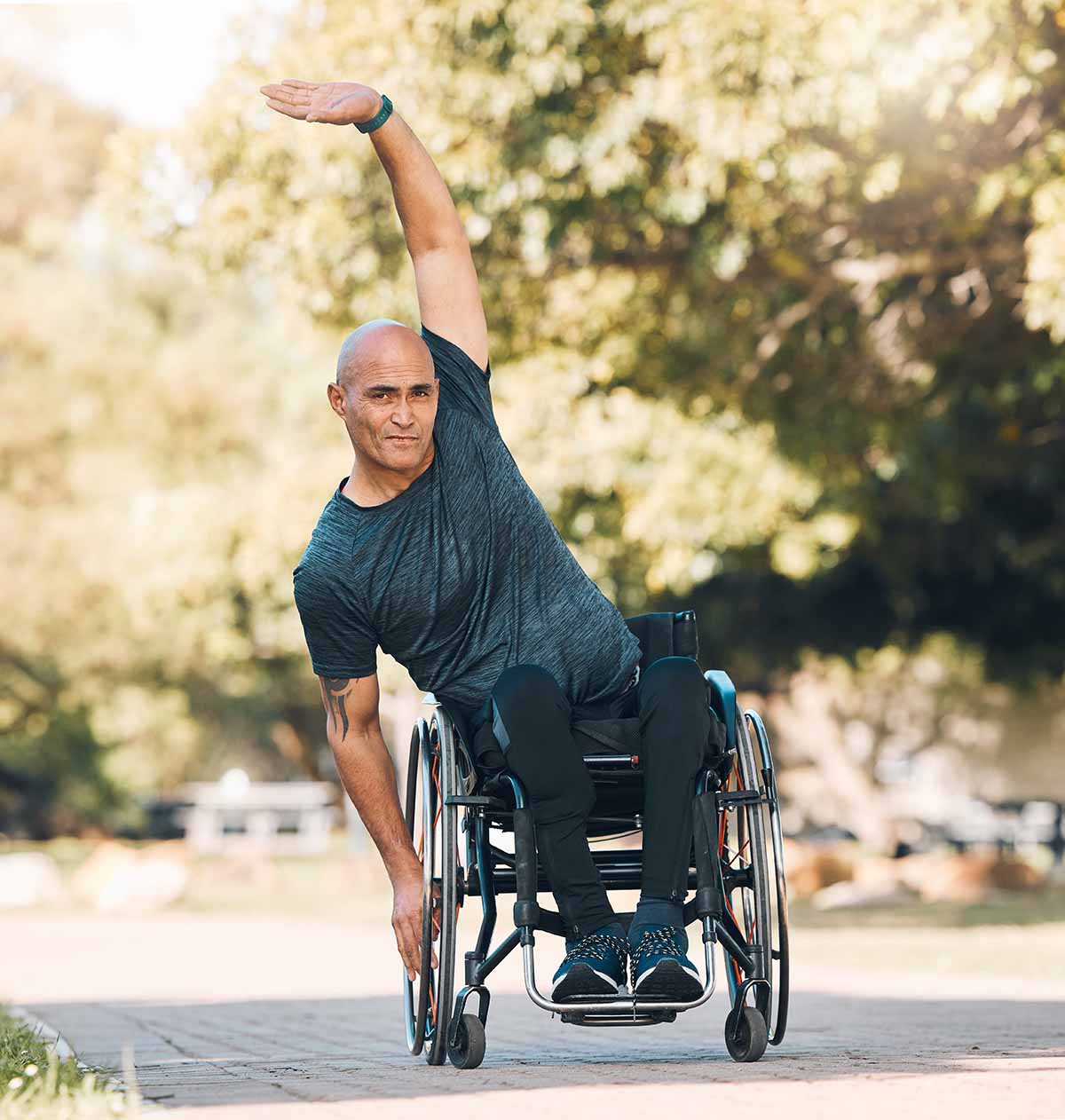
Pressure Relief Exercise Ideas:
- Lean over one side of your wheelchair, then repeat on the other side
- Bend forward
- Cross your legs and lean to one side, then repeat on the other side
- Place one ankle on the opposite knee. Rest an elbow on the horizontal leg, then repeat on the other side3
Skin Protection and Surface Contact Considerations
Pressure sore prevention strategies may include pressure redistribution, repositioning, friction/shear management, and appropriate support surfaces.
Although pressure sores are common, there are a few ways to reduce the risk of forming one.
- Be mindful of medical devices or other areas where skin makes contact with a hard surface
- Periodically shift positions, bend over, or move side to side. If needed, ask a caregiver to help
- Check your skin daily for pressure sore symptoms. Some assistance from caregivers or mirrors may be necessary for areas that are more difficult to see
- Use that redistribute pressure
- Consider additional forms of such as elbow and heel protectors
Daily Routines and Equipment Checks
Daily routines influence exposure to pressure, heat, and moisture. Certain practices can reduce the risk of pressure sores.
- Eat foods containing essential nutrients like Vitamin C, Zinc, and protein
- Drink water throughout the day
- Manage underlying health conditions according to the treatment plan
- Attend to any incontinence needs
- Rotate positions several times throughout the day
- Establish a reliable support system/care team
- Check seating components and accessories
- Maintain a consistent equipment setup4
Managing Moisture and Heat During Extended Sitting
Moisture (such as perspiration and urine2) and heat can affect skin condition during prolonged wheelchair use. This is why it is important to have cushions with breathable materials.
Urine and prolonged moisture exposure can contribute to skin damage and may also reduce the skin’s tolerance to pressure and shear. Caregivers can help reduce this risk by practicing good hygiene practices such as:
- Regularly clean perineal areas with pH-balanced cleansers
- Use diapers, pads, and other incontinence supplies that wick moisture away from the skin4
Managing heat and moisture may help support skin condition and improve comfort during extended sitting.
Vitality Medical offers many wheelchair cushions that allow air to flow through them, including:
- Gel Seat Cushion
- Touch Cooling Sensation Seat Cushion
- Balanced Adjustable Cushion
Adapting Equipment as Needs Change
Some of these modular accessories include
- Wheelchair cushions
- Adjustable supports
Always verify compatibility between wheelchair components before purchasing, and always follow the manufacturer’s instructions when using seating products.
Conclusion
Pressure injuries can result from prolonged or intense pressure, often combined with shear. Moisture, friction, and heat can also contribute to skin vulnerability and injury risk. They are unfortunately common among wheelchair users and people who sit or lie in the same place over an extended period of time. A few daily precautions can reduce the risk of developing a sore.
Pressure prevention planning may include:
- Regular stretching, shifting, and movement
- Using a properly sized, pressure-redistributing, breathable seat cushion
- Keeping skin cool and dry
- Adjusting and replacing wheelchair components when necessary
Regularly observe skin areas where pressure sores commonly develop. Contact a health care professional if you experience persistent skin discoloration, warmth, firmness, pain, skin breakdown, drainage, or other concerning changes.
Always check equipment compatibility before buying supplies. Follow the instructions from your doctor and product manufacturers.
Footnotes
- 1Jennifer W. Burks, MSN. “The True Cost of Pressure Injuries: Prevention and Management Strategies.” Relias, 8 June 2026, www.relias.com/blog/true-cost-pressure-injuries.
- 2Braden, Barbara, and Nancy Bergstrom. BRADEN SCALE – For Predicting Pressure Sore Risk, BRIGGS, 1988, www.in.gov/health/files/Braden_Scale.pdf.
- 3 “How to Do Pressure Reliefs (Weight Shifts).” MSKTC, msktc.org/sci/factsheets/skincare/How-To-Do-Pressure-Reliefs. Accessed 26 Aug. 2026.
- 4 Laura Anderson, MSN. “7 Steps to Prevent Pressure Sores.” Relias, 8 June 2026, www.relias.com/blog/7-steps-to-prevent-pressure-injuries.

Login and Registration Form