Quick Summary:
Learn about the importance of proper medical supplies management and storage.
Click a link to jump to the section.
- Understanding the Range of Medical Supplies Used at Home
- Challenges of Managing Multiple Supplies at Once
- Organizing Supplies by Care Type or Routine
- Storage and Environmental Considerations
- Tracking Usage and Replacement Needs
- Managing Supplies for More Than One Caregiver
- Preparing for Changes in Care Needs
- General Safety and Handling Considerations
Introduction
Medical supplies are a staple in every household, no matter one’s age, household size, or whether they are assisted by caregivers, which makes home medical supply management something everyone should have knowledge of. First aid, emergency supplies, daily medicines and supplements, and essential medical equipment such as oxygen concentrators and enteral feeding kits should all be considered for home health planning. Overlapping care needs happen frequently in households. There can be multiple people living in the same place, or an individual may have multiple care needs. Caregiver organization is important to make sure medications don’t get mixed up, and the correct supplies for different daily care routines are readily available.
Understanding the Range of Medical Supplies Used at Home
Common Categories of Home Care Products
- First Aid
- Over-the-Counter Medications
- Oxygen Concentrators
- Enteral Feeding Kits
- Emergency Care Supplies
Disposable medical supplies are generally consumed, discarded, or replaced during care, while durable medical equipment is designed for repeated use. Examples of DME include wheelchairs, hospital beds, and certain oxygen equipment.
Challenges of Managing Multiple Supplies at Once
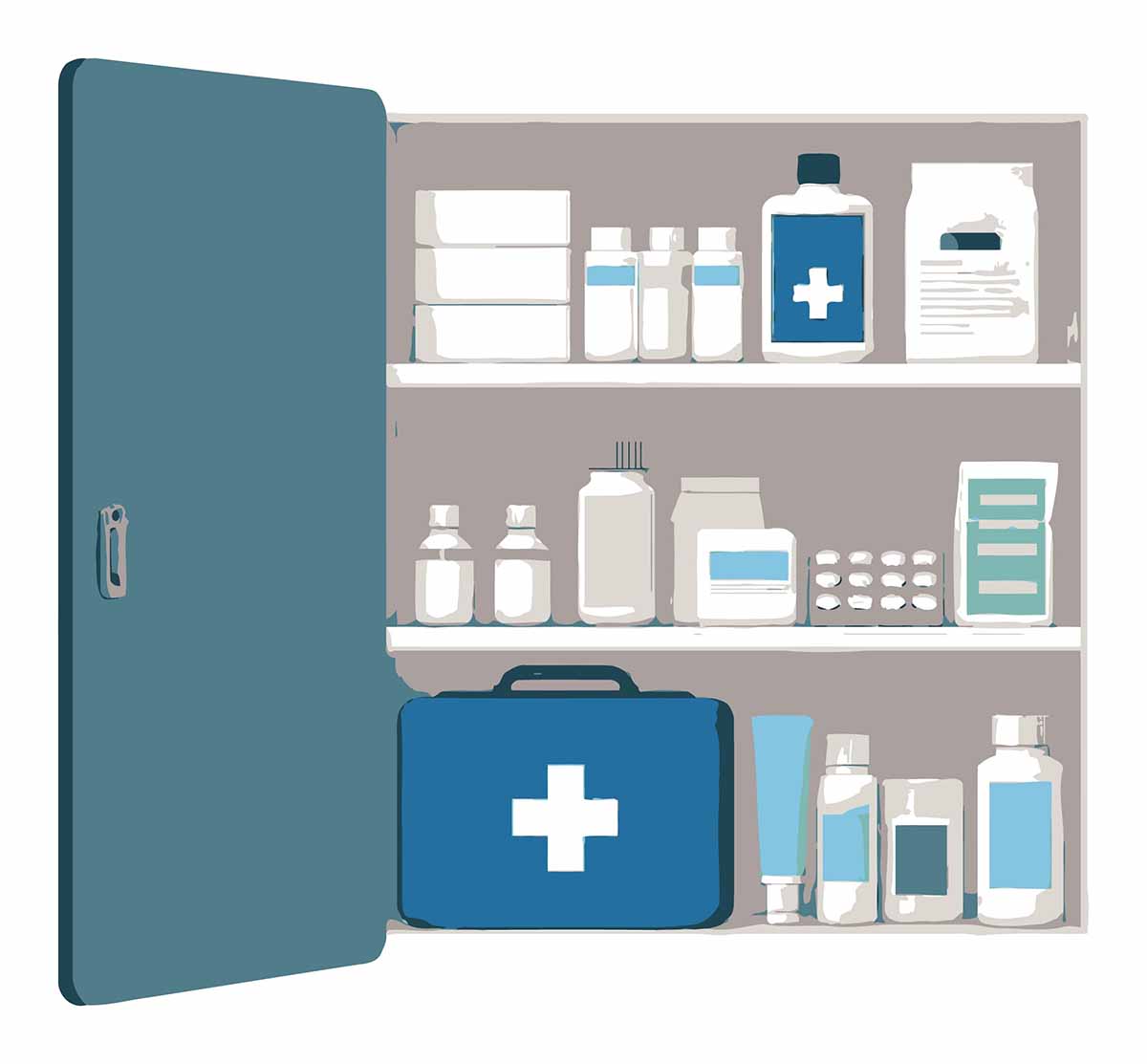
It is rare for a household not to have multiple medical supplies or overlapping care routines. It is natural for supplies to become cluttered over time, or for the general day-to-day tasks of life to cause someone to misplace an item. Finding ways to manage supplies, like the Apothecary Products Pill Organizer, and keeping them through home organization and inventory management is a key step in a more stress-free at-home medical environment. Depending on the home, space might be limited, so clutter reduction through additional storage bins or drawers may be needed.
Daily-use items should be kept away from backup inventory during medical supply storage.
Organizing Supplies by Care Type or Routine
Care-based organization is one of the simplest ways to manage care supplies. Similar supplies or daily routine supplies should be stored together. If certain items are used all the time, store them in an easier-to-reach place than more situational medical supplies. It is important to remain consistent in where items are stored to avoid misplacing them.
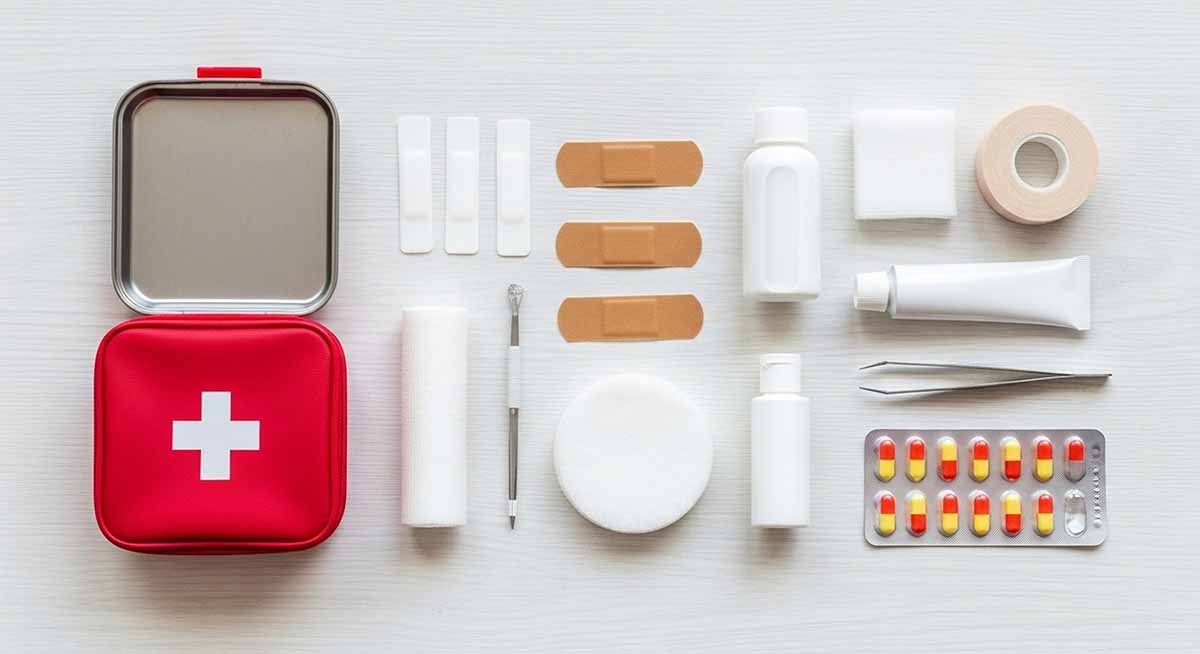
Another way to go about organization is through making medical kits, such as first aid kits like the My Medic, emergency kits, or period kits. Task grouping can also help caregivers keep certain routines together.
Storage and Environmental Considerations
Home storage solutions can depend on available space and climate. When considering storage locations for durable medical equipment like oxygen concentrators, one should avoid moisture and follow the environmental guidelines in the user manual. Environmental protection is especially important for electronic medical supplies. Disposable medical supplies should be stored according to manufacturer instructions, including requirements for temperature, humidity, packaging integrity, and expiration dates.
Tracking Usage and Replacement Needs
Residents and caretakers should pay attention to when supplies are getting low in order to restock them in a timely manner. Inventory tracking can help reduce the risk of running out of medications, enteral feeding supplies, oxygen cylinders, and other recurring products. Keeping track of ongoing supply needs helps caregivers with reorder planning, and supplies such as the McKesson Adhesive Bandages can be ordered in bulk to limit the amount of supply orders needed.
Managing Supplies for More Than One Caregiver
When multiple caregivers manage medications, original medication labels should remain intact. A shared medication schedule or administration record can help document when doses are given and reduce missed or duplicate doses. Communication planning in shared care routines is just as necessary as proper supply storage. Supply labeling also helps caregivers keep track of supplies if they’ve moved at all.
Preparing for Changes in Care Needs
Health is a dynamic part of life. People have evolving care requirements, and one should be ready with adaptable supplies to make sure they can be cared for at any stage. Care transitions and routine updates may be necessary for caretakers during long-term care for a patient.
General Safety and Handling Considerations
It is important to follow manufacturer guidelines for all medical supplies, whether durable or disposable. Safe handling during product use is always necessary, and supply compatibility should be checked when using multiple medical supplies at once. Consistency helps promote a safer environment for everyone involved. Make sure to follow all dosing instructions exactly and keep all medical supplies out of the reach of children for better home care safety.
Conclusion
Medical supply readiness is important to be prepared for a variety of different medical scenarios and stay current and stocked on medical supplies for chronic ailments. Consistent care support in home care organization, tracking, caregiver communication, and daily routines is essential for maintaining a healthy medical schedule.

Login and Registration Form