Quick Summary:
Click a link to jump to the section.

Introduction
One cannot overstate the importance of safety awareness for caregivers. In home health care settings, it is crucial to protect both the patient and the caregiver from injury and infection. You can achieve this by obtaining the necessary equipment and cultivating a stable environment. Access to mobility aids is key to maintaining safety in the home.
Review caregiver responsibilities and risk management. While protecting seniors and disabled family members is important, caregivers must put their own safety first. When an injury leaves a caregiver unable to work, it puts the well-being of their patients at risk.1
Creating safe environments for elderly care involves proactive home safety planning. First, obtain the necessary home care setup essentials. These may include an emergency contact list, a first aid kit, and comfortable footwear and protective gear.2
Start by identifying high-risk household areas such as bathrooms and bedrooms. Ensure they remain clean, well-lit, and clutter-free to prevent accidents in home caregiving.
1. Reducing Fall Hazards
1 in 3 seniors experience falls every year, often resulting in serious injuries.3 As such, caregivers should prioritize fall prevention in senior homes. When necessary, utilize mobility aids to reduce the risk of falls.
Use non-slip mats and install grab bars for stability. Consider the bed rail benefits for elderly caregivers. Railing helps patients get in and out of bed safely, ensuring peace of mind during transfers. This minimizes caregiver effort and injury.
Following clutter and lighting safety tips will keep patients from tripping. Always keep floors clear and rooms well-lit for visibility.
Minimize Hazards:
- Wipe spills as soon as possible to avoid slips.
- Tape loose rugs to the floor to reduce the risk of tripping.
- Move furniture, power cords, and loose items away from high-traffic areas.
Fix Poor Lighting:
- Place a lamp within close reach for easy access in the dark.
- Supply bedrooms, bathrooms, and hallways with night lights.
- Keep flashlights accessible in case of power outages.4
2. Bathroom Safety Enhancements
Bathroom safety for elderly patients is essential to overall comfort. Consider using raised toilet seats and shower chairs for preventing bathroom slips and falls during transfers.
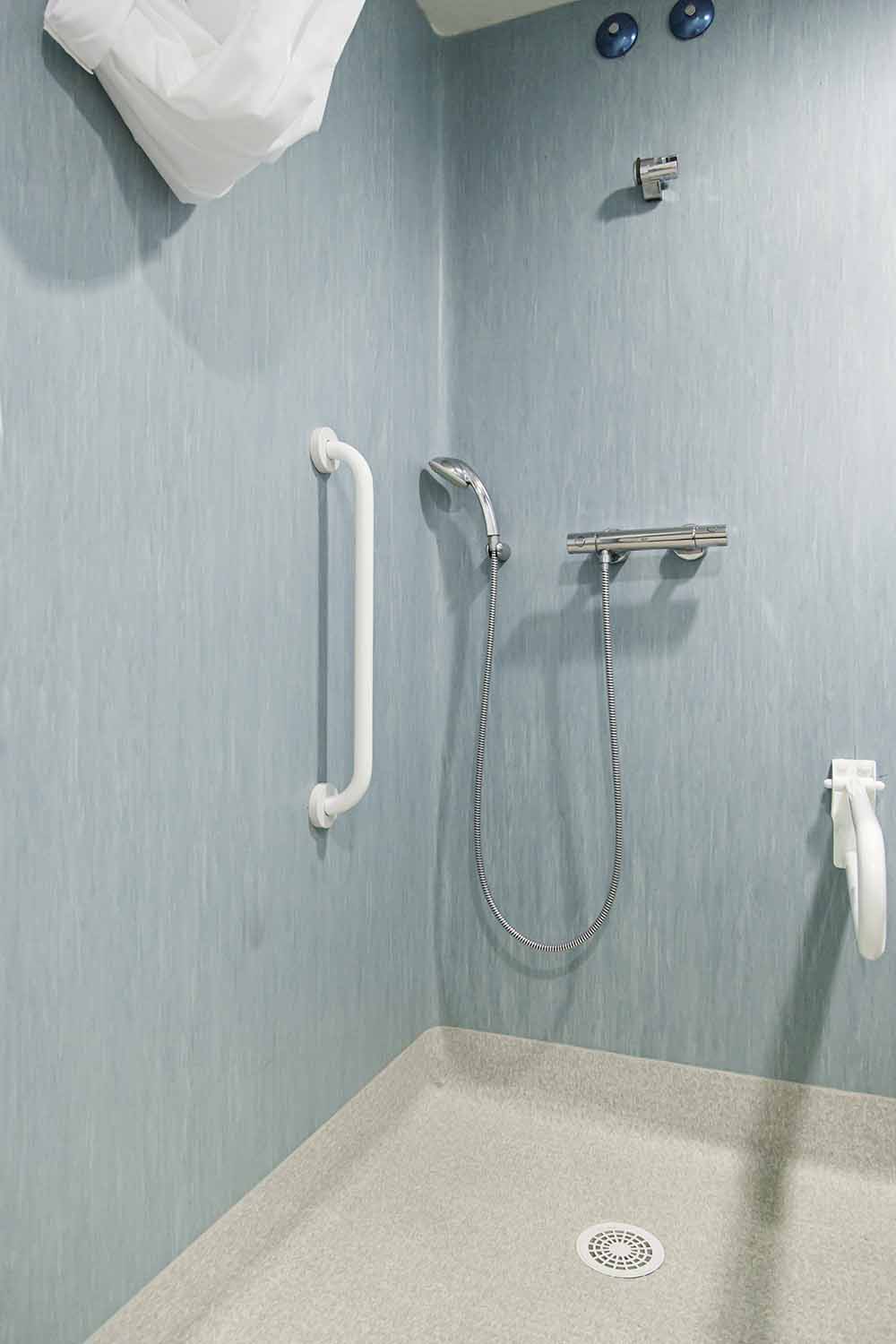
For the shower, obtain a chair for the patient to sit on. Make sure to line the walls with handrails to make standing and sitting easier. Caregivers may place a non-slip mat outside the shower or tub to prevent slipping.
Many seniors experience trouble standing up from the toilet. In this case, install an elevated seat with handlebars for a safer transition.
For those who cannot always get to the bathroom, commodes are a great solution. Explore our variety of commode options for limited mobility. We provide discreet home medical equipment shipping to maintain privacy in sensitive environments.
Here are a few safety aids to keep your bathroom secure and accessible:
3. Bedroom Adjustments
Bedroom comfort and mobility solutions help protect a patient’s overall health. To improve home safety, ensure a complete caregiver setup for patient comfort. Do your best to adjust home care bedrooms to make them fall-proof.
While physical safety is important, emotional safety is equally vital. Make sure the space is warm and inviting, as the patient will likely be spending a majority of their time there.
Adjustable hospital beds for home care provide a stable, personalized place for sleep. Caregivers may choose to add overlay mattresses for pressure relief. Explore our wide variety of affordable beds and mattress options for different budgets.
4. Reliable Supply Access for Safety Products
In case of emergencies, caregivers may need replacement mobility aids and accessories. Consistent access to home safety items will help minimize physical strain and allow for continued care.
Mobility aids like canes and walkers help seniors stay independent. They also lower caregiver stress. Having the right equipment on hand can help reduce physical exertion.
For example, transfer boards may help caregivers shift patients on and off the bed from their wheelchair. Reliable access to such items is important to a patient’s movement and safety.
Replacing items quickly will make things easier for patients and caregivers alike. For fast delivery of medical supplies, shop at Vitality Medical. Our store provides responsive product return policies and dependable shipping for caregiver products.
Conclusion
Let’s review a quick summary of home safety strategies:
- Prevent falls with non-slip mats and grab bars.
- Use adjustable beds for safe transfers.
- Implement bathroom safety measures.
- Ensure easy access to home care items.
- Keep rooms well-lit and clutter-free.
Safe and secure home caregiving can be simple. Ongoing home care risk reduction is a sure way for caregivers to keep home environments comfortable and reliable.
Vitality Medical is a trusted caregiver safety product source that helps support caregivers in their safety goals. Explore our variety of home care furniture to find products that suit your needs.
Footnotes
1 "Carter, E. (2024, May 27)." 8 Essential Caregiver Safety Tips. Caring Senior Service.
2 "Friends & Family (2024, June 20)." 10 Must-Have Items to Have as a Caregiver.
3 "Heart to Heart (2025, January 6)." How to Create a Safe Environment for Home Health Care Services.
4 "Mayo Clinic (2024, June 14)." Fall prevention: Simple tips to prevent falls.


Login and Registration Form