
Quick Summary:
Click a link to jump to the section.
Introduction
Hospital bed mattresses offer needed support to those who stay in bed for extended time periods. Therefore, having the right kind is essential to patient care.
An insufficient mattress can contribute to poor support, excessive localized pressure, and difficulty cleaning. As a result, patients may experience bedsores, muscle pain, and infection.1
The best mattresses promote comfort and prevent complications. Your mattress can make all the difference in treatment, rest, and recovery.
Reviewing hospital bed mattress types may help caregivers make the right decision for their patient. Several types exist, including foam, gel, innerspring, alternating pressure, and low air loss mattresses.2
Check out Vitality Medical hospital mattresses. We offer a wide range of options, including foam bedding. Foam mattresses have become a preferred choice for medical facilities and home caregivers. They offer unique, customized comfort for long-term patients. This blog will discuss foam mattress benefits for those considering medical foam bedding.
We will explore types, benefits, and key considerations when choosing a foam mattress for your hospital bed. Read on to learn more about what sets foam apart from other types of mattresses.
1. Understanding Foam Mattresses for Hospital Beds
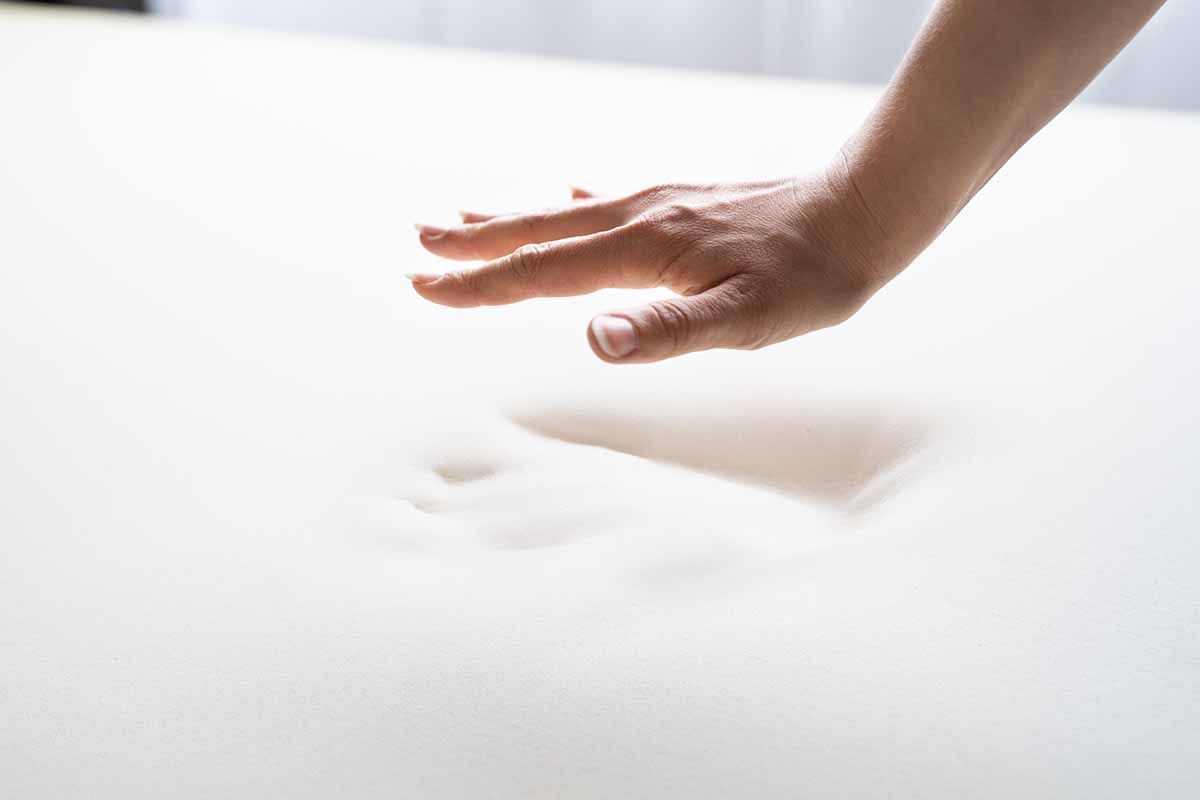
Medical-grade foam mattresses conform to the patient’s body, distributing weight evenly. Because of this, the pressure-oriented foam mattress design minimizes aching and discomfort.
Foam designs vary in density, thickness, and clinical purpose. For example, viscoelastic foam support, also known as memory foam, is unique in that it responds to body pressure. As it adapts to the contours of your body, it offers custom support and relieves pressure points.3
Weight distribution foam can provide immense comfort to those with chronic back pain. High-density foam mattresses are a great solution for larger patients needing long-term support.
2. Comfort and Pressure Relief
With a contouring foam surface, these mattresses ensure proper blood circulation during extended bed rest. As such, foam mattresses are a great option for pressure ulcer prevention and pressure point reduction.
Foam mattresses are ideal for patient comfort and support. Their distribution helps prevent pressure sores for long-term patients. People often choose high-density and viscoelastic foam for pressure management.
Benefits of foam bedding for patients include:
- Pressure relief
- Spinal alignment
- Motion isolation
- Weight distribution
- Bedsore prevention
- Personalized support
- Circulation improvement
3. Support and Stability
Foam makes for a therapeutic bed surface that puts patient safety first. They contain a range of mattress stability features, such as:
- Dense core
- Motion absorption
- Comfort layers
- Localized support
- Consistent structure
A stable foam foundation provides even surface support for various body types. Firm edge support offers repositioning assistance, particularly for transfers from bed to chair.
Caregivers should consider the right density for patient weight and mobility level.
4. Durability and Maintenance
Long-term foam durability ensures extended mattress life. Manufacturers design medical-grade foam mattresses for consistent performance over time. Because they tend to be dust- and mold-resistant, foam mattresses are also easy to clean. This makes them the ideal low-maintenance hospital bedding option.
Consider using a waterproof mattress cover. Removable covers protect against spills and contamination.
Some may also want a mattress, pad, or protector with an antimicrobial surface for an easy-clean design. Washable covers and long-lived foam mattresses simplify care for caregivers and reduce replacement costs.
5. Specialized Foam Mattress Types
Depending on a patient’s needs, you might opt for a specific type of mattress. A bariatric mattress made of high-density foam is helpful for patients with a higher body mass index.
Standard foam mattresses provide cost-effective comfort, making them great for short-term care. Each type serves specific patient needs in home or facility settings.
Common variations of foam mattresses are suited for various needs:4
- Latex mattresses are a natural, environmentally friendly foam with a bouncy feel.
- Memory foam hospital mattresses, also called viscoelastic foam, are highly dense. They provide support that molds to your body.
- Many like convoluted mattresses for increased airflow and temperature regulation. This waffle-style, multi-layer foam mattress, sometimes referred to as “egg-crate foam,” helps relieve pressure points with its peak-and-valley design. (Convoluted foam toppers offer a similar type of support.)
- Polyurethane mattresses are an affordable, commonly used foam offering somewhat less contouring support.
- Hybrid mattresses utilize both foam and innerspring coils for a balance of comfort and responsive support.

6. Compatibility With Hospital Bed Frames
Medical-grade foam mattresses are designed to fit with hospital beds. However, it is important that you measure the mattress and the bed to make sure they match. Adjustable bed compatibility will be essential as you select your mattress. Consider both hospital bed dimensions and hospital bed frame fit.
You will also want to select foam that adjusts to the bed’s positions. Flexible mattresses with articulating foam design allows movement with head and foot articulation.
We offer compatible foam mattresses for standard and bariatric bed frames. Browse the selection of Vitality Medical foam mattresses on our site.
Conclusion
For patients in extended care settings, consider using a pressure relief mattress. Foam’s durable construction, dense core, and comfortable layers make them the ideal option for long-term care bedding.
Some of the primary benefits of foam mattresses include pressure relief, patient comfort, and support. Their flexible, weight-distributing design helps reduce discomfort and bedsores.
Choosing the type of mattress that works best for you is important. Selecting the correct foam type improves patient outcomes and ease of care.
Vitality Medical is a trusted source for medical-grade foam bedding. Explore our wide variety of mattresses to find the best one for your needs.
Footnotes
1 "Dayang Medical (2025, November 5)." What types of mattresses are used in hospital beds?
2 "Mattress Insider (2025, February 18)." What Are the Types of Hospital Bed Mattresses?
3 "LA Mattress (2023, July 31)." What is Visco Elastic Foam? Facts (Pros & Cons)
4 "FloBeds." A Guide to the Types of Foam Mattresses


Login and Registration Form