Page 3 - Kimberly Davenport
Kimberly Davenport
Author
Kimberly Davenport grew up in the suburbs of Salt Lake City, Utah. She earned a Bachelor’s Degree in English from the University of Utah. From there, she jumped into journalism, writing government and community publication articles. Kimberly enjoys the outdoors and tries to get to the mountains as much as possible to hike and enjoy peace and serenity with the fresh mountain air.
Today, Kimberly is a copywriter at Vitality Medical, writing product content and medical blogs. She currently resides in Richland, Washington. She lives near the Columbia and Yakima Rivers, making it easy to soak up the sun and enjoy a day paddleboarding and nature walks.
-
TL;DR
The ball or piston may not move much because deep breathing is still weak, sore, or guarded after surgery. Poor seal, rushed breathing, or trying to force the wrong pattern can also affect what the device shows.
A lower reading does not always mean the device is failing. Repeated, controlled breaths matter more than one dramatic attempt.
Some users may respond better to a different visual-feedback format than the one they started with.
One of the most frustrating things that can happen after....
Read more »
-
TL;DR
Using an incentive spirometer can feel uncomfortable after surgery because deep breathing often hurts during early recovery. Pain, soreness, incision location, and shallow breathing habits can all make the device harder to use.
The goal is not to force a dramatic effort, but to support deeper breathing safely and consistently. Better positioning, slower pacing, and a simpler device setup can make use easier.
If pain is the main barrier, the best product is often the one that feels easiest to....
Read more »
-
TL;DR
An incentive spirometer is used repeatedly during early recovery to counter shallow breathing after surgery.
Using it once or twice is not the same as using it consistently through the day. Repetition matters because the benefit is preventive.
The easiest device to read and repeat is often the best fit for home use.
Many patients are told to use an incentive spirometer after surgery, but they are not always sure whether they are using the therapy device enough. The device works best when it....
Read more »
-
TL;DR
An incentive spirometer helps patients take slow, deep breaths after surgery. It helps expand the lungs and reopen air sacs that may not fully inflate after anesthesia or bed rest.
It can help move mucus and fluids so they do not sit in the lungs. It is commonly used to lower the risk of atelectasis and pneumonia after surgery.
It is designed to be used consistently, not just a few times a day.
After surgery, many patients ask the same question: What is this device actually doing, and why does....
Read more »
-
TL;DR
Homecare hospital beds often feel uncomfortable for a few repeat reasons. The mattress may feel too firm, pressure points can build up quickly, toppers and overlays do not always solve the problem, and some comfort fixes make repositioning harder instead of easier.
Heat, sweating, and repeated turning can also make sleep worse. The best comfort setup is usually the one that balances pressure relief, movement, and sleep instead of only adding more padding.
This guide breaks down the five biggest....
Read more »
-
TL;DR
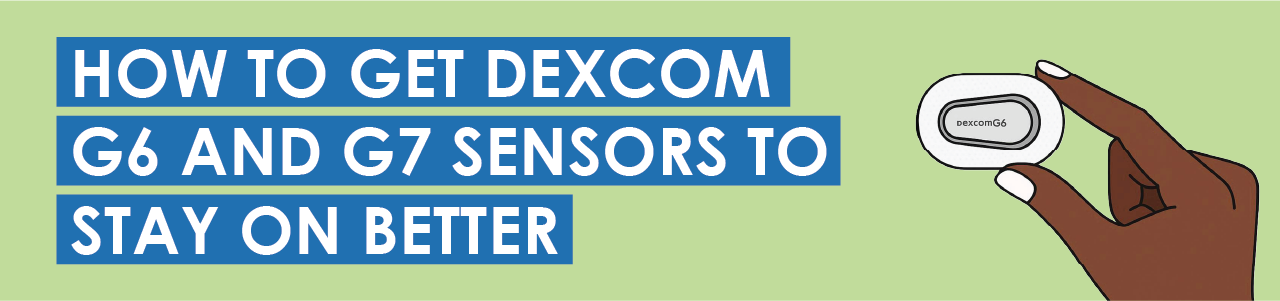
Dexcom adhesive problems usually start with the wear system, not the glucose reading. Clean, flat, fully dry skin matters more than most users expect, and sweat, humidity, friction, and skin folds can all make peeling worse.
Dexcom G6 and G7 can both have peeling, loosening, and skin irritation issues, but Dexcom G7 adds an included overpatch that changes the wear routine. Better prep and smoother patch technique can improve wear time, while repeated failures may point to a bigger problem than....
Read more »
-
TL;DR
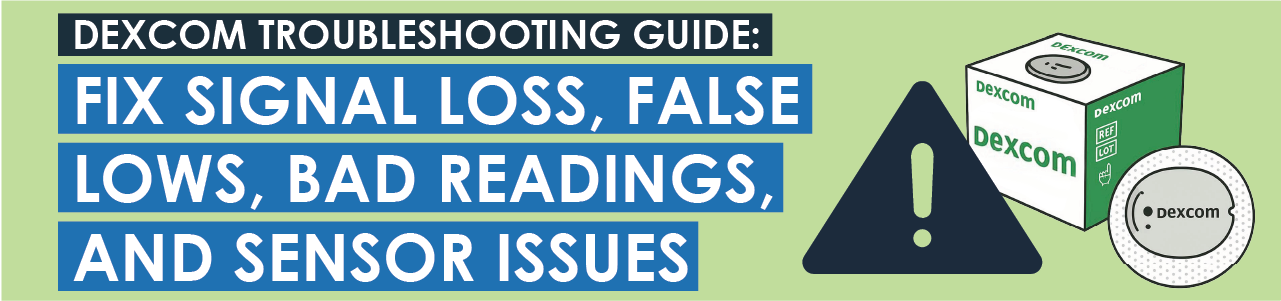
Most Dexcom troubleshooting questions are not about one dramatic failure. They are usually about repeated daily-use problems, such as signal loss, overnight low readings linked to pressure on the sensor, readings that seem off early in a session, or sensors and patches not staying on well.
Signal loss is often tied to connection distance, barriers, or temporary communication issues. Pressure on the sensor during sleep or rest can cause low readings that do not match the situation. Readings....
Read more »
-
TL;DR
Dexcom G6 vs G7 usually comes down to downtime, wear experience, alert behavior, and compatibility, not just sensor specs. Dexcom G7 starts faster with a less-than-30-minute warm-up, uses a smaller all-in-one sensor with a built-in disposable transmitter, and adds a 12-hour grace period between sessions.
Dexcom G6 still fits some users better when an established routine, current device compatibility, or a setup that already feels reliable matters more than changing to a newer model.
Real-world....
Read more »
-
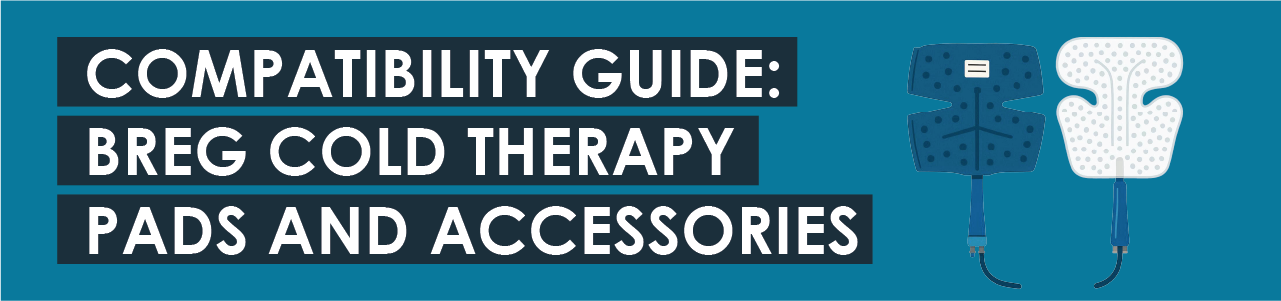
TL;DR: Breg cold therapy pads are not all interchangeable. Kodiak uses Intelli-Flo Pads. Wave and VPULSE use Breg Cold / Compression Pads. Cube, Cub, and Glacier use Polar Pads and WrapOn Polar Pads. Replacement dressings should be matched to the same machine family. Always match the machine first, then choose the body-area pad or accessory.
Breg cold therapy pad compatibility can be confusing because the machine name, pad family, and body-area option are not the same thing. Many shoppers know....
Read more »
-
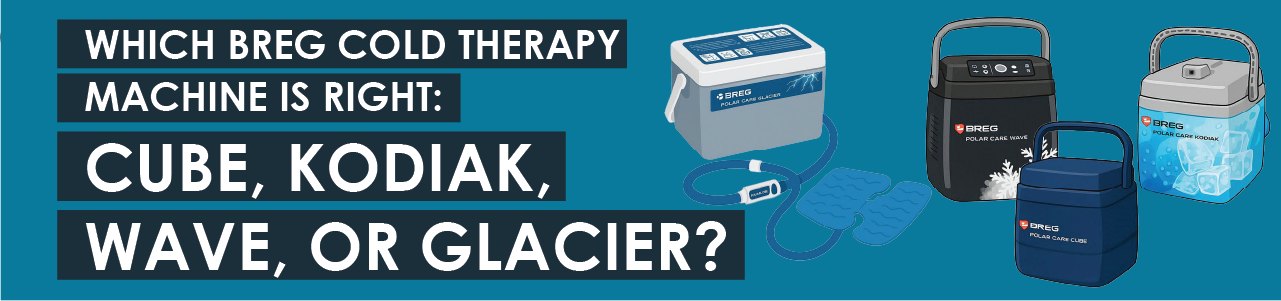
TL;DR: Breg Polar Care cold therapy machine comparisons usually come down to compression, cold duration, portability, and overall setup. Cube is the simple cold-only option.
Kodiak adds an optional battery pack for portable cold therapy use.
Wave is the only model here with active compression.
Glacier is the longest-duration option, with up to 13 hours of cooling.
Breg Polar Care cold therapy machine comparisons usually come down to a few practical questions. Does compression matter? How long....
Read more »



Login and Registration Form