Online shopping provides a quick and convenient way to purchase products, and this is especially true for the...
Syringes without Needle — How to Choose the Right Syringe Selection Guide
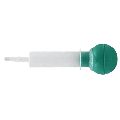
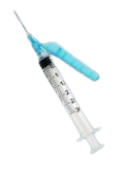
Syringes are essentially small, manual pump devices used for medical procedures. Syringes are used for injections, fluid removal, or irrigation. Choosing the Right Syringe can often be difficult. For injections, syringes are often fitted with a needle. For fluid removal, syringes may be fitted with a needle or with medical tubing. Irrigation syringes have a special tip and are commonly used by themselves or with tubing.
Medical Syringes are ma
-
Cost-Effective
McKesson60 mL McKesson General Purpose Syringe, Luer Lock- Transparent barrel for easy visual inspection
- Nontoxic and nonpyrogenic
- Volume capacity up to 60 mL
$17.00 - $67.96(23)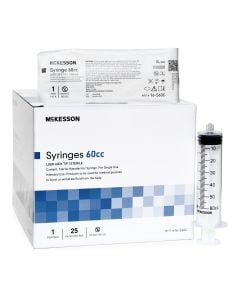
-
Highly Reviewed
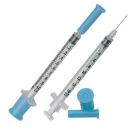
BD Becton DickinsonBD 1 mL Tuberculin Syringe Without Needle- Luer-Lok® Tip or Slip Tip
- Single-use
- Not Made With Natural Rubber Latex
$0.28 - $447.95(162)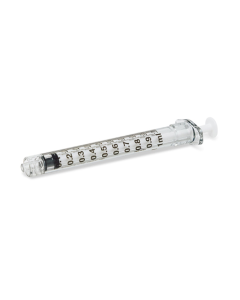
-
Best in Class
BD Becton DickinsonBD 10 mL Syringe without Needle- Clear scale markings for easy measurements
- Fits with conventional or safety needles
- Packaged in easy-peel blister
$0.24 - $226.16(54)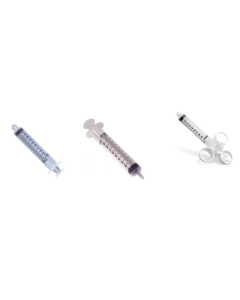
Selecting the Right Syringe
Important considerations when purchasing a syringe include medication dose size, syringe tip, dead space, and safety. Syringe size is determined by the amount of fluid or dose volume to be injected or withdrawn. Syringes are manufactured in centimeter (cc) or milliliter (mL) sizes. The larger the syringe size, the lower the flow pressure. Central line injections are usually conducted with syringes of 10 mL or higher to reduce the risk of rupturing the tubing from too much pressure. There are four major syringe tips in use: luer lock, slip tip, catheter and eccentric.
If dead space is a concern, a syringe with a permanently attached needle would be a better selection. To help protect the health of caregivers, safety syringes may also be an important consideration. Choosing the right syringe can be easier by referencing the Syringe Selection Buyers Guide.
Related Categories
Inspired by your history...

@Recommendation.StarRating
@Recommendation.Gender
Login and Registration Form