Updated February 4, 2026
Many people have asked, “Did I take my medicine today?” at some point. Without a clear medication schedule, it can be difficult to remember whether a daily dose was taken, skipped, or taken twice. Medication reminders and simple routines can support safer, more consistent use of prescribed treatments. The ideas below offer practical ways to help individuals remember to take their medications as directed.
Tips and tricks to support medication reminders
1. Reward charts
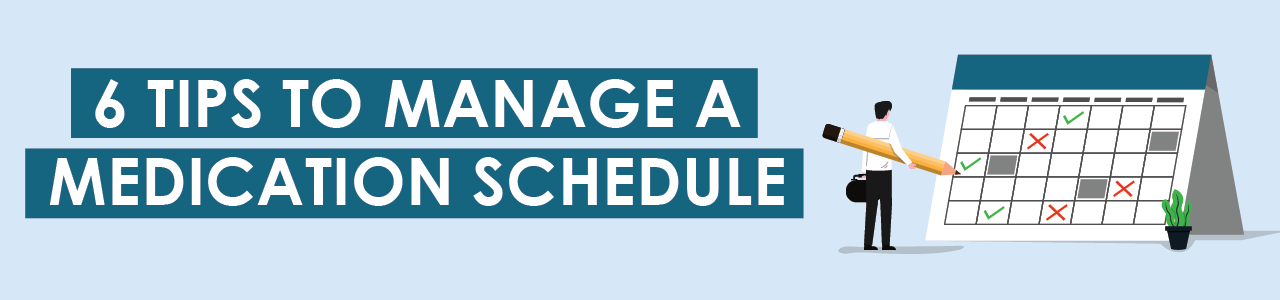
Some individuals find it easier to follow a medication schedule when they can see progress in writing. Simple reward charts or medication calendars provide a visual record of each dose. Printable medication schedules, such as those available from resources like Template Lab (Last Accessed April 29, 2021), allow users or caregivers to check off doses, add stickers, or mark completed days. Small rewards after a set number of successful days can reinforce the habit of taking medication on time.
2. Apps and digital reminders
Medication reminder apps are another option for people who use smartphones or tablets. Many pharmacies and health systems offer apps that link to existing prescriptions and send alerts when it is time for a dose.2 In addition to dedicated apps, general tools such as calendar alerts or phone alarms can serve as daily medication reminders and help reduce missed doses.
3. Pill cases and automatic dispensers
Pill organizers are a common tool for managing a medication schedule. Simple daily or weekly pillboxes separate doses by day and, in some designs, by time of day. For individuals who benefit from both organization and alarms, automatic pill dispensers can provide added structure. Once medications are pre-sorted into the correct day and time compartments, the device sounds an alarm at scheduled times and presents the correct dose. A caregiver or patient still needs to refill the organizer and replace batteries when needed.
4. Linking medications to daily routines
Another approach is to connect each medication dose with an existing daily activity. Some prescriptions are taken with food, which may align well with breakfast or dinner. Others are taken on an empty stomach and may fit best with a regular morning or bedtime routine.3 Linking pills to familiar habits, such as brushing teeth or making morning coffee, can help make the medication schedule a predictable part of the day.
5. Bottle position as a visual cue
Visual cues can help some individuals see at a glance whether a daily dose has been taken. One simple method is to store the medication bottle in one position before a dose and place it in another position after the dose is taken, such as upright before and upside down afterward.4 The bottle is then returned to its starting position at the end of the day. This strategy should only be used when it does not interfere with label reading, safety caps, or child safety.
6. Sticky notes and visual reminders
Sticky notes can function as simple medication reminders when placed in highly visible locations. Notes near a bathroom mirror, refrigerator, or bedside table can prompt individuals to check their pill organizer or medication schedule. The color and placement of the note often matter more than the exact wording, since the goal is to trigger the memory of taking a dose at the right time.
No single method works for everyone. Some people respond best to charts and checklists, while others prefer digital apps, pill organizers, or visual cues. It may take a short period of trial and error to find the combination of reminders that fits a person’s routine, number of medications, and comfort with technology. Over time, consistent use of these tools can help make the medication schedule feel more automatic and support better adherence to the treatment plan.
Footnotes
- 1Doe, John. "40Great Medication Schedule Templates (+Medication Calendars)." TemplateLab, 29 Apr. 2021. (Last Accessed June 2, 2021)
- 2Doe, J. "Adherence." Children’s Mercy Kansas City, (31 May, 2021) (Last Accessed June 2, 2021)
- 3Burry, M. "Here's Exactly What to Do If You Missed a Dose of Your Medication." Prevention, (29 September, 2020) (Last Accessed June 2, 2021)
- 4Gleeson, J. R. "8 Easy Ways to Remember to Take Your Medication." University of Michigan, (19 April, 2018 ) (Last Accessed June 2, 2021)

Login and Registration Form