TL;DR: Families who begin planning for long-term chest fluid management often want to understand how home drainage kits work, what supplies are included, and how the process stays consistent. This article explains the workflow step-by-step and shows how systems such as PleurX fit into the broader category of at-home drainage options.
Jump to section:
- Introduction
- Essential supplies needed for at-home pleural drainage
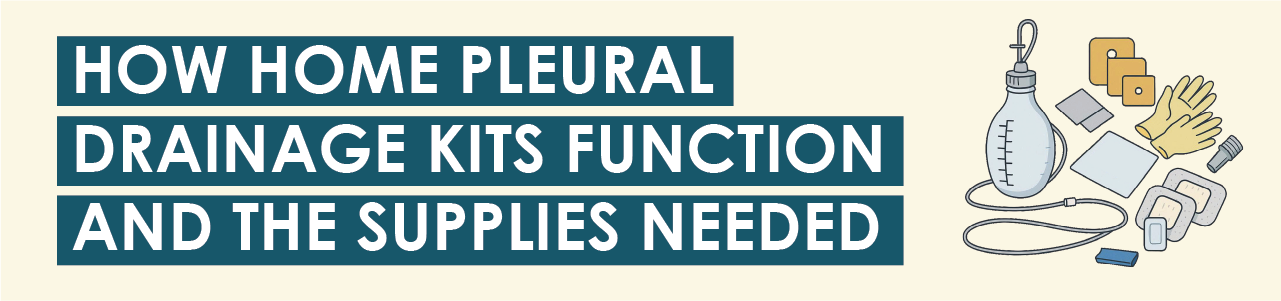
- What a typical at-home drainage kit includes
- How the drainage process works
- Core safety practices for consistent home drainage
- When caregivers assist vs. when patients drain independently
Introduction
Families exploring long-term chest fluid management often want to understand how a home drainage routine works and what the process involves day to day. Learning about the workflow helps set expectations and clarifies when at-home systems become part of a care plan. Home pleural drainage kits combine an indwelling catheter with single-use drainage supplies so that fluid can be removed in a controlled, repeatable way. The focus here is on the category itself rather than choosing a specific system, although many home users rely on indwelling options such as PleurX to follow a predictable, sterile drainage routine.
Essential supplies needed for at-home pleural drainage
At-home pleural drainage requires a consistent set of supplies that support each session from setup through disposal. Most systems, including those similar to PleurX, rely on the same basic materials to help keep the process clean, organized, and repeatable.
- Vacuum drainage bottles that provide gentle suction
- Tubing and a valve connector to attach to the indwelling catheter
- Sterile dressing materials for covering the site afterward
- Gloves for maintaining a clean technique during setup and disconnection
- Alcohol pads or skin-prep wipes to clean the valve area before connecting
- Gauze pads for drying or supporting the dressing
- Adhesive securement materials to help keep the catheter stable
- Waste bags for discarding used bottles and dressings
In most home drainage routines, the catheter itself stays in place, while the drainage bottle, tubing, dressings, and gloves are replaced at each session. Keeping these items together in a small supply kit helps streamline each drainage session, supports safe technique, and reduces the chance that needed items are missed once the bottle is opened.
What a typical at-home pleural drainage kit includes
A standard home drainage kit provides the items needed to complete a safe drainage session. While brands vary, many systems use similar components that are packaged together as a single-use kit to support sterile or clean technique.
- Vacuum drainage bottles designed for gentle, controlled fluid removal
- Catheter valve connectors that attach securely to the indwelling catheter
- Sterile dressing materials for site care
- Gloves and clean-field supplies for maintaining proper technique
- Alcohol pads or skin-prep materials for cleaning the valve area
In many designs, the vacuum bottle contains pre-set negative pressure that begins drainage once the system is connected and opened. The connector is engineered to lock onto the catheter valve and prevent leaks while fluid is moving into the bottle. After drainage, the kit provides materials for closing the valve, protecting the site, and safely discarding used components. Kits such as PleurX commonly use pre-set vacuum bottles that help regulate flow and support a consistent drainage routine across multiple sessions.
How the drainage process works step-by-step
The drainage workflow is designed to be repeatable and simple enough for patients, caregivers, or home health nurses to manage after training. While the exact steps depend on the specific system, most processes follow the same structure that combines preparation, connection, drainage, and cleanup.
- Prepare a clean or sterile workspace on a table or tray.
- Wash hands, put on gloves, and open the kit so supplies remain clean during use.
- Clean the catheter valve area with alcohol pads or skin-prep wipes.
- Connect the drainage bottle tubing to the catheter valve using the supplied connector.
- Open the valve or clamp according to instructions so fluid can drain under gentle negative pressure.
- Monitor the patient and the bottle, stopping drainage if discomfort, coughing, or dizziness occurs.
- Close or clamp the valve once drainage is complete or the target volume is reached.
- Disconnect the bottle, apply the new dressing from the kit, and discard the used bottle and supplies in waste bags.
Because the vacuum bottle does the work of pulling fluid into the container, home users do not have to manually aspirate fluid. Instead, the focus is on correct setup, watching the patient response, and completing the dressing change once drainage is finished.
Core safety practices for consistent home drainage
Safe drainage depends on clean technique and careful attention to the catheter site. Most home users, including those using systems like PleurX, follow the same core practices that are reinforced during training with a clinician or home health nurse.
- Wash hands thoroughly and set up a clean surface before starting.
- Check the catheter area for tension, redness, drainage, or unexpected discomfort.
- Verify that the drainage bottle vacuum is intact before connecting and do not use damaged bottles.
- Secure the catheter and tubing to reduce the risk of pulling or accidental disconnection during the session.
- Follow the recommended maximum drainage volume and pace as instructed by the clinical team.
- Pause drainage and contact a clinician if pain, coughing, shortness of breath, or unusual sensations occur.
Consistent use of these safety steps helps maintain site integrity, reduce infection risk, and keep each drainage session predictable for both the patient and the caregiving team.
When caregivers assist vs. when patients drain independently
Some individuals manage drainage independently, while others benefit from caregiver or home health support. The same kits and components are used in both situations, but the roles and responsibilities may differ based on physical ability, comfort level, and care plans.
- Mobility limitations, fatigue, or difficulty reaching the catheter site may lead caregivers to take the lead.
- Some patients prefer to handle connection and disconnection themselves while caregivers assist with setup and cleanup.
- Home health nurses may oversee early sessions and then transition routine drainage to family members or the patient.
- Scheduling routines often balance patient independence with caregiver assistance for monitoring, documentation, and supply management.
Whether performed independently or with help, establishing a predictable routine often makes drainage feel more manageable and improves confidence over time. A clear understanding of how the kit functions, what supplies are needed, and which steps are safety-critical helps everyone involved feel more prepared for long-term home pleural drainage.
Conclusion
At-home drainage becomes easier to manage once families understand the components, workflow, and safety steps involved. Knowing which supplies are required for each session and how the kit functions as a system supports smoother routines and more predictable symptom control. Blog 3 will compare systems such as PleurX with alternative approaches to help readers understand which options align with their needs and daily routines.

Login and Registration Form