Click a link to jump to the section.
Introduction
Many people depend on supplemental oxygen to live comfortably. In some cases, respiratory therapy may be needed only short-term. Other times, the patient may require supplemental oxygen for the rest of their lives. Oxygen concentrators and oxygen tanks are commonly used for this purpose.
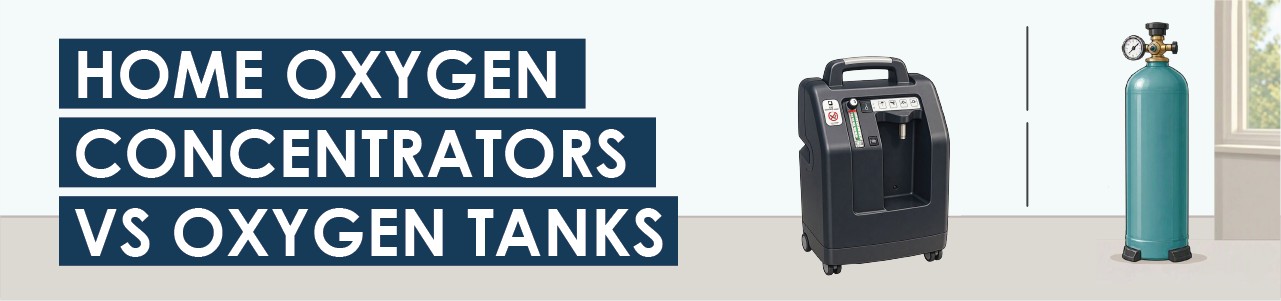
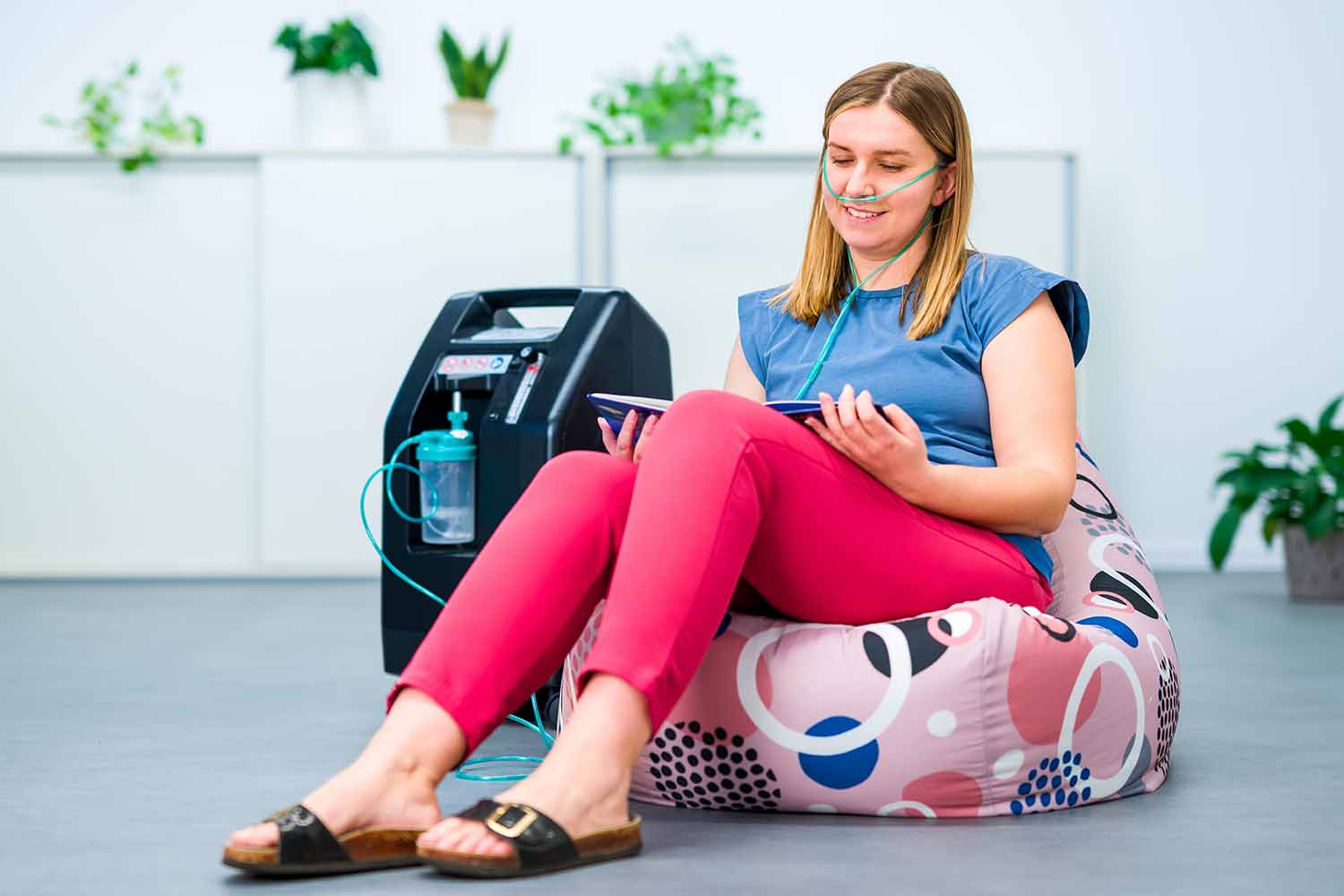
Oxygen concentrators pull in surrounding air, filtering out the nitrogen, and compress it to produce supplemental oxygen. They require electricity to function.
Oxygen tanks are pre-filled with supplemental oxygen. They don’t require a power source, but their storage capacity of oxygen is limited and must be regularly refilled.
Both options have their own unique benefits, and both can be used at home. The best option depends on the patient’s needs. A healthcare provider will determine the type of respiratory therapy needed and the appropriate dose. Always adhere to their prescription and instructions.
Oxygen Concentrators vs. Tanks
How Oxygen Concentrators Work
Concentrators filter nitrogen from surrounding air with a molecular sieve and compress oxygen to a highly concentrated form for respiratory therapy, typically up to 95% purity. They are available as either stationary or portable models. Home oxygen concentrators typically provide continuous-flow oxygen, while many portable oxygen concentrators use pulse-dose delivery. (However, some portable models also support continuous flow.) Stationary oxygen concentrators depend on electricity to function and must be connected to a power source. Since they pull from ambient air, they do not feature cylinders that need constant refills.
How Oxygen Tanks Work
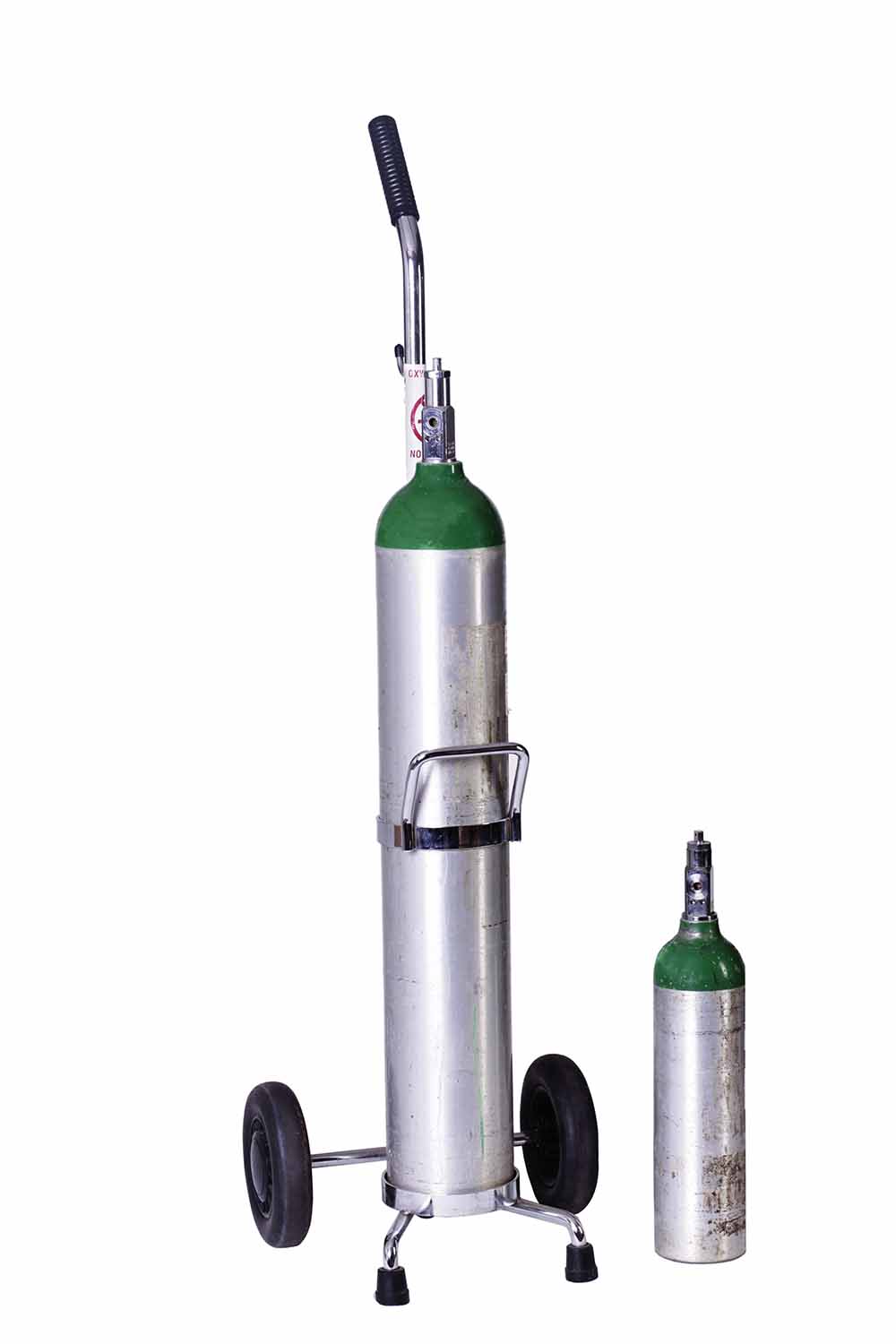
Oxygen cylinders provide users with a limited supply of compressed, continuous-flow oxygen. Pulse oxygen delivery is an option with an oxygen-conserving device (OCD) or regulator. They are more portable than home oxygen concentrators and do not require electricity to operate. However, they must be refilled or replaced periodically.
Regulators attach to the valves of cylinders to reduce pressure and control oxygen flow. They allow users to monitor cylinder pressure and set the prescribed oxygen flow when the regulator is designed for flow adjustment. Some also include oxygen-conserving features.
The longevity of an oxygen cylinder depends on its size and flow rate. Take note of the cylinder's pressure gauge to determine how much oxygen is left.
Continuous Flow vs. Pulse-Dose Oxygen
Continuous Flow
Continuous flow oxygen concentrators and oxygen tanks provide an uninterrupted stream of oxygen measured in liters per minute (LPM). This delivery type may be prescribed when a constant oxygen supply is required or when pulse-dose delivery does not adequately meet the individual’s oxygen needs.
Pulse Dose
Pulse dose oxygen machines deliver oxygen when the user inhales. This delivery method is typical for portable oxygen concentrators and intended for individuals with more stable breathing patterns.
Device Setting vs. Prescribed Flow
Setting
Flow settings allow users to adjust the flow of oxygen in increments. They are commonly adjustable via a dial, although some oxygen concentrators may use buttons. The doctor prescribing the respiratory therapy treatment will determine the necessary oxygen setting.
Flow Rate
Flow rates are the speed at which oxygen is delivered. They are measured in liters per minute (LPM). This number is prescribed by a medical professional and must be honored for effective respiratory therapy.
Runtime and Backup Oxygen
Because oxygen concentrators pull oxygen from the surrounding air, users don’t need to worry about running out of oxygen. The concern instead becomes running out of power. Backup power sources may help power an oxygen concentrator for a limited time when other electricity sources aren't available. Alternatively, users may also consider storing oxygen tanks as a non-electric backup.
Unlike concentrators, oxygen cylinders do not rely on electricity. This means they can remain fully functional even when the power is out. Users who prefer tanks to oxygen concentrators must be vigilant about monitoring remaining cylinder contents since they have a finite supply. Keeping backup tanks and scheduling regular refills can help maintain an adequate oxygen supply in case of an emergency.
Travel Considerations and Portability Outside the Home
Oxygen tanks lend themselves better to travel than stationary oxygen concentrators if the user requires continuous flow. Although some home oxygen concentrators feature wheels, they must be plugged into an outlet and aren’t designed for trips out of the house. Portable oxygen concentrators are often only pulse-dose and therefore are not always suitable for continuous-flow prescriptions.
Portable oxygen cylinders allow continuous-flow supplemental oxygen users to continue their respiratory therapy while they are away from home on daily errands. Portable oxygen cylinders vary by weight, but some can be heavy. Carrying bags, , and cylinder holders facilitate transporting oxygen tanks. Always check the cylinder’s fullness before leaving the house. Pack spare oxygen tanks for road trips. Do not place them in direct sunlight, and do not keep them in the trunk of a car.1
Air-travel regulations are constantly changing. Always check airline policies about oxygen equipment before booking a flight. For U.S. air travel, passengers generally cannot bring personal compressed or liquid oxygen cylinders in carry-on or checked baggage. Portable oxygen concentrators that meet FAA acceptance requirements may be permitted. Contact the airline well before travel to confirm its requirements and required documentation.
Maintenance and Safety
Routine maintenance and safety practices for respiratory therapy equipment are almost as important as the supplemental oxygen they provide. Regular equipment upkeep is crucial to maintaining reliable oxygen delivery. Oxygen concentrator maintenance varies substantially by manufacturer. Always follow instructions included in the unit’s user manual.
Stationary Oxygen Concentrators
Maintenance
- Always unplug the unit before cleaning
- Clean or replace the air filter according to the schedule provided by the manufacturer
- Empty, clean, and refill the humidifier bottle regularly according to professional guidance
- Wash humidifier bottle in warm, soapy water once a week
- Wipe cabinet with a slightly damp, lint-free cloth
- Regularly inspect cords for damage, fraying, and other instances of wear and tear
Warnings
- Run unit in a well-ventilated area with plenty of airflow.
- Do not spray unit with liquids or solvents
- Do not attempt repairs without the assistance of a trained professional
- Keep unit away from heat sources, dust, or flammable fabric such as bedding, curtains, and clothing
- Keep vents, seams, and auxiliary oxygen fittings dry
- Only use distilled water in humidifier bottles
- Do not share outlets with other electrical appliances (e.g., hair dryers, curling irons, electric blankets, electric razors, or electric toothbrushes)
- Do not plug into an extension cord or power strip
- Do not smoke or vape
Oxygen Tanks
Maintenance
- Display an “Oxygen in Use” sign
- Store unused tanks in a cool, dry, ventilated area (not a closet) away from direct sunlight
- Stabilize the cylinder in an upright position while in use
- Schedule regular oxygen cylinder deliveries1
- Regularly read the gauges and note how much oxygen is left in the tank2
Warnings
- Always follow the instructions from the manufacturer and a healthcare provider
- Keep at least 10 feet away from heat sources
- Avoid direct sunlight
- Stay away from kitchen appliances (e.g., ovens, stoves, and air fryers)
- Do not use aerosols, oil-based face cream, or petroleum-based products while wearing a cannula or using an oxygen tank
- Do not smoke or vape1
Tubing and Cannulas
Maintenance
- Regularly check for blockages, kinks, cracks, stiff tubing, discoloration, and other issues
- Clean tubing and cannulas once a week according to the manufacturer’s instructions
- Replace cannula at least once a month or sooner if it becomes contaminated or cracked
- Replace tubing according to a medical professional’s recommended schedule or sooner if it becomes contaminated or cracked
- Keep backup supplies in a clean, dry place
Warnings
- Always follow the manufacturer’s maintenance instructions
- Keep supplies organized and clean
- Keep tubing away from areas where it can be crushed or tripped over
- Keep components away from pets and children
- Never share oxygen therapy supplies or accessories
- Stop using damaged equipment immediately
- Do not cut tubing 2
Tubing Kink Causes
- Bent or twisted tubing
- Moving between rooms
- Catching tubing on corners or furniture
- Older tubing
- Tubing that is too long
Conclusion
Oxygen concentrators and oxygen tanks both provide supplemental oxygen, but each has its own benefits. The best option depends on the patient’s needs. A doctor will provide a prescription and treatment instructions.
Oxygen concentrators pull in surrounding air, filter out nitrogen, and compress oxygen, which is then used to help patients in need of breathing support. Stationary concentrators typically do not leave the house. The machine plugs into an electric outlet and provides oxygen as long as it has power.
Oxygen tanks hold a certain amount of oxygen that must be refilled regularly. Cylinders do not require electricity to function and are sometimes kept as a backup oxygen source in case of power loss. They are easier to transport than home oxygen concentrators. However, users must constantly be aware of how much oxygen the tank has left and plan trips away from the house accordingly.
Always verify device compatibility and prescription needs when purchasing components and accessories such as filters, cannulas, and humidifiers.
Footnotes
- 1 Intermountain Health. (2026, July). Fact sheet for patients and families | Portable Oxygen Cylinders. intermountainhealthcare.com. https://intermountainhealthcare.org/ckr-ext/Dcmnt?ncid=521117400
- 2 Association, A. L. (2026, January 28). Oxygen Therapy: Using Oxygen Safely. Using Oxygen Safely | American Lung Association. https://www.lung.org/lung-health-diseases/lung-procedures-and-tests/oxygen-therapy/using-oxygen-safely

Login and Registration Form