Click a link to jump to a section.
- Understanding Home Healthcare Waste
- Safe Sharps Disposal
- Handling Used Dressings and Bandages
- Managing Disposable Gloves, Masks, and Tubing
- Proper Disposal of Medications and Liquid Waste
- Storage and Transportation of Medical Waste
- Environmental and Legal Considerations
- Using Supplies From Trusted Medical Sources
Introduction
Providing healthcare at home creates waste, and you may wonder if you can throw it away just like anything else in your house.
Responsible home medical waste disposal not only protects you and your loved ones but also protects the community from potential exposure. Healthcare waste requires specific handling, and this blog is a practical guide with tips to set you up for success and manage waste responsibly.
1. Understanding Home Healthcare Waste
Home healthcare waste1 is healthcare-related waste potentially contaminated with blood, bodily fluids, and infectious substances.
What Qualifies As Healthcare Waste?
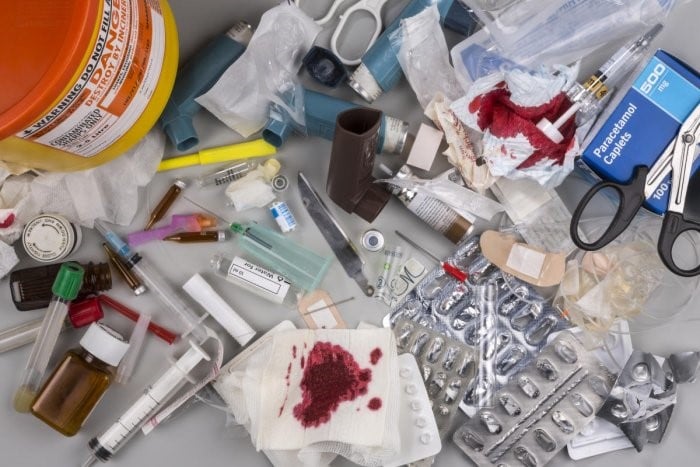
- Used wound dressings, bandages, gauze, and other wound supplies
- Needles, syringes, lancets
- Gloves
- Expired or leftover, unused medications
- Any used medical product
General medical waste is any non-hazardous waste that won't cause accidental exposure to infectious fluids or potential injuries from sharp objects.
Biohazardous waste2 is any waste soiled by bodily fluids that could spread infections to anyone who comes into contact with it.
2. Safe Sharps Disposal
What Are Sharps?
"Sharps"3 refers to any medical device with points or edges that can puncture or impale the skin. This includes needles, syringes, lancets, infusion sets, auto injectors, and more. Used sharps can be dangerous, as they can injure other people and spread diseases like HIV/AIDS, hepatitis, and tetanus.
DON'T:
- Throw away loose, used sharps in the household trash
- Flush used sharps down the toilet
- Put used sharps in recycling
DO:
- Place any used sharps in a puncture-resistant container (laundry detergent, bleach bottle, or a sharps container)
- Seal the container with duct tape once it's ¾ full. Clearly label the container "DO NOT RECYCLE".
- Most states permit sharps disposal in a sealed, puncture-resistant container placed in the household trash (never in recycling), but some states have different rules for disposing of used sharps. Follow your state's guidelines for disposing of sharps. Check your state's disposal requirements here.
If your state does not permit sharps disposal in the household trash, there are other options available4, including:
- Drop Boxes or Collection Points:
Some communities have collection sites that accept filled sharps containers for free or for a small fee. These collection sites are usually in hospitals, health clinics, pharmacies, police or fire stations. - Household Waste Collection Sites:
Many cities have disposal sites that accept usual household waste, such as used batteries, oil, and paint. They may also accept the disposal of used sharps. - Mail-Back Programs:
A mail-back program is a paid service where they mail an FDA-approved sharps container to you. Once filled, you mail the container back in the provided package, and they safely dispose of it for you. - Special Waste Pickup Services:
Some local trash or public health departments offer a waste pickup service for filled sharps containers. They will pick up the container from your doorstep, either on a regular schedule they set or when you call to schedule a pickup. - Sharps Destroying Products:
You can use products for clipping, melting, or cutting off needles at home for safe disposal. Once destroyed, you can safely put the syringe in the household trash. Before using any of these needle-destroying products, first check that the product is FDA-approved.
How To Find Sharps Disposal Programs and Sites in Your Area:
Ask your doctor or your local pharmacist if they can dispose of used sharps or know of local disposal programs in your area. You can also call the Coalition for Safe Community Needle Disposal at (800) 643-1643 or search for local disposal programs within your zipcode here.
3. Handling Used Dressings and Bandages
Used wound supplies, such as dressings, bandages, gauze, tape, and more, are intended to absorb blood or other bodily fluids that can transmit germs and easily spreadable diseases5 to those who come in contact with them. When handling and disposing of medical bandage waste, keep the following in mind to prevent accidental exposure6 to you or others:
DON'T:
- Throw away soiled dressings with your bare hands
- Put loose, soiled dressings in the household trash
- Use a trash can that can be easily accessed by children or pets
DO:
- Wear gloves when handling soiled dressings or bandages
- Place soiled dressings in a sealed plastic bag before throwing them away
- Double-bag heavily soiled items that could drip or leak
4. Managing Disposable Gloves, Masks, and Tubing
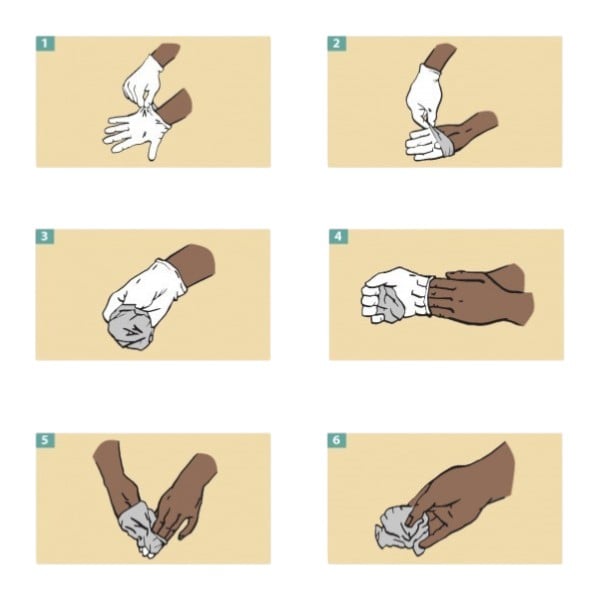
Disposable gloves and face masks can become contaminated with bodily fluids when caring for someone at home. To protect your health and prevent contact with infectious fluids, use the following steps to safely take off soiled gloves7:
- At the wrist, pinch the outside of one glove. Touch the glove only, not your bare skin.
- Peel the glove back over itself, pulling it away from you.
- Hold the removed glove in your other gloved hand.
- To remove the second glove, insert your now bare hand inside the glove, using your fingers to push the glove over itself so it is inside out.
- When you're done, the first glove should be inside the second glove.
- Dispose of the gloves in a sealed plastic bag in your household trash or in a trash can designated for medical waste, if they are saturated with bodily fluids.
Disposing of Face Masks and Medical Tubing
When removing a face mask, hold the mask by the elastic bands or the ties securing the mask around your ears. Do not touch the front of the mask. If you touch your gloves or mask while removing them, wash your hands immediately. Most disposable PPE, like gloves or masks, can be placed in the household trash if they are not contaminated with bodily fluids.
With medical tubing disposal, if any fluids or medications have passed through it, it is considered medical waste and should be disposed of in a biohazard bag or at a medical waste collection site.
If the tubing you want to discard is liquid-free or properly cleaned, drained, and rinsed, it can be placed in the household trash. Cutting tubing for safety is recommended to prevent potential misuse.
5. Proper Disposal of Medications and Liquid Waste
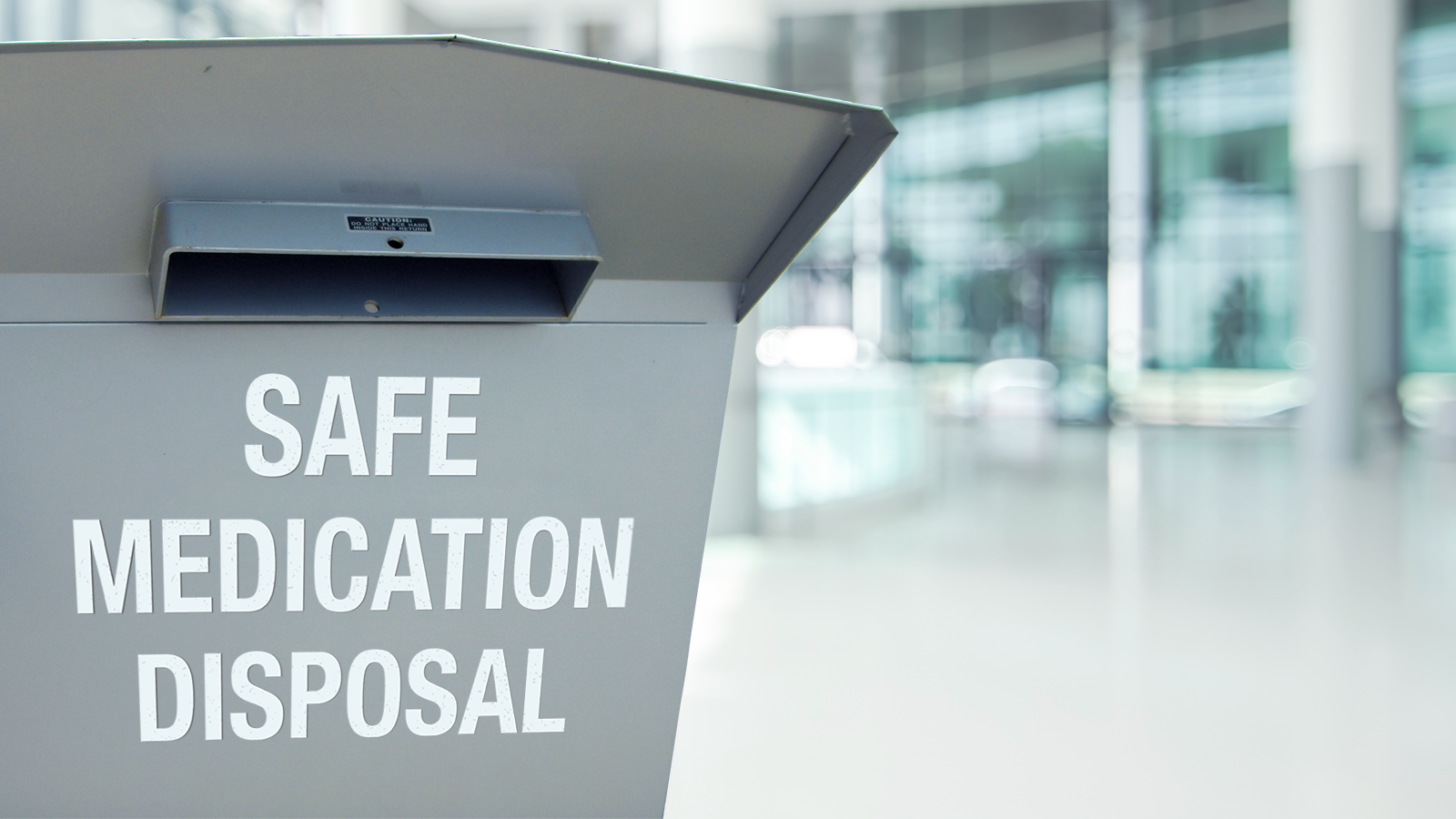
Do you need to dispose of expired or unneeded medications? The best way to safely dispose of medications8 is by using a drug take-back program9.
How To Find Local Drug Take-Back Programs:
- Temporary Take-Back Sites:
The U.S. Drug Enforcement Administration (DEA) hosts regular Take-Back Days and sets up temporary collection sites nationwide. You can check for collection sites near you here. - Medication Take-Back Programs:
Some facilities and businesses, such as hospitals or pharmacies, are registered with the DEA as authorized drug take-back sites. These locations may allow you to leave medications in a drop-off box or at an on-site kiosk. You can search for year-round medication drop-off locations near you here. You can also call the DEA Diversion Control Division Registration Call Center at 1-800-882-9539. - Pre-Paid Drug Mail-Back Envelopes:
Some pharmacies offer a prepaid drug mail-back program. Simply fill the provided envelope with the unused medications, seal the envelope, and mail it. You can also ask your local pharmacy if they offer drug mail-back envelopes or if they know of any mail-back programs in the area.
If you don't have any drug take-back locations or drug mail-back programs available near you, you can check for your medication on the FDA's flush list10.
Safe Flushing Guidelines:
DO NOT flush any medicine not on the flush list. Medicines on the flush list are on the list because they are generally sought after for potential misuse or abuse, and one dose can result in death if inappropriately taken.
Many medications include disposal instructions in the package insert. Follow those instructions exactly if you have them. Otherwise, you can follow these instructions to dispose of medications at home11:
- Remove medicine from its original container.
- Combine medications with any unpleasant and/or inedible substance, like cat litter or old coffee grounds.
- Put the mixture in a sealed container or a sealed plastic bag.
- Throw away the sealed container.
- Scratch out or black out any personal information on the original medicine container and packaging before disposing of it or recycling it.
6. Storage and Transportation of Medical Waste
When disposing of medical waste, place it in trash cans that are not easily accessible by children, pets, and any adults in your care who need supervision. If possible, use a separate trash can for any household medical waste.
When you transport medical waste from your home to a collection site, pack the waste in a sealed, puncture-resistant container with a lid and clearly label the container as a biohazard or as sharps, if applicable. If it's waste that could leak or drip, double-bag it before sealing it in a container.
7. Environmental and Legal Considerations
Why is it so important to properly dispose of healthcare waste? Because it can impact the environment12 and the health of others. Drugs and medication flushed down the toilet in homes with septic tanks can seep into groundwater. In communities connected to wastewater treatment plants, drugs flushed down the toilet can go through the treatment system and move into rivers and lakes.
Every state has different rules and regulations for discarding healthcare waste. Be sure to check your state's specific regulations by calling your local health department or local waste management before disposing of healthcare waste.
8. Using Supplies From Trusted Medical Sources
The FDA has approved the general use of puncture-resistant containers, such as detergent bottles, as sealed containers for infectious medical waste.
However, high-quality, medical-grade sharps disposal containers are the best way to properly store and dispose of healthcare waste, as they are designed to prevent exposure to infectious materials.
Biohazard bags are made of strong, tear- and puncture-resistant plastic to securely hold hazardous materials. Investing in medical-grade disposal options can help protect you and your loved ones when disposing of potentially infectious materials. Vitality Medical carries a wide variety of high-quality medical products from trusted manufacturers, intended for hospitals and home healthcare settings.
Conclusion
Proper healthcare waste disposal protects you and your community. Sealing and separating infectious medical waste before placing it in the regular trash helps reduce the risk of accidental exposure and injury. Shop our catalog of reliable medical products at Vitality Medical to provide better healthcare at home today!
Footnotes
- 1 "Environmental Protection Agency. (2025, May 5)." Medical Waste. EPA.
- 2 "World Health Organization. (2024, October 24)." Health-Care Waste.
- 3 "Safe Needle Disposal. (2018, June 6)." Sharps-Brochure.
- 4 "Environmental Protection Agency." Protect yourself, protect others safe options for home needle disposal.
- 5 "Gooch, C. M. (2023, May 1)." Body fluid exposures. StatPearls [Internet].
- 6 "Colorado Department of Public Health and Environment." Preparing medical waste for disposal.
- 7 "Centers for Disease Control and Prevention." How to remove gloves.
- 8 "Office of the Commissioner. (2025, April 16)." Drop off unwanted or unused medicines at a drug take-back location. U.S. Food and Drug Administration.
- 9 "Center for Drug Evaluation and Research. (2024, October 31)." Drug disposal: Drug take-back options. U.S. Food and Drug Administration.
- 10 "Center for Drug Evaluation and Research. (2024, October 31)." Drug disposal: FDA’s flush list for certain medicines. U.S. Food and Drug Administration.
- 11 "Center for Drug Evaluation and Research. (2024, October 31)." Drug disposal: Dispose “non-flush list” medicine in Trash. U.S. Food and Drug Administration.
- 12 "Environmental Protection Agency. (2011, April)." How to Dispose of Medicines Properly. EPA.

Login and Registration Form