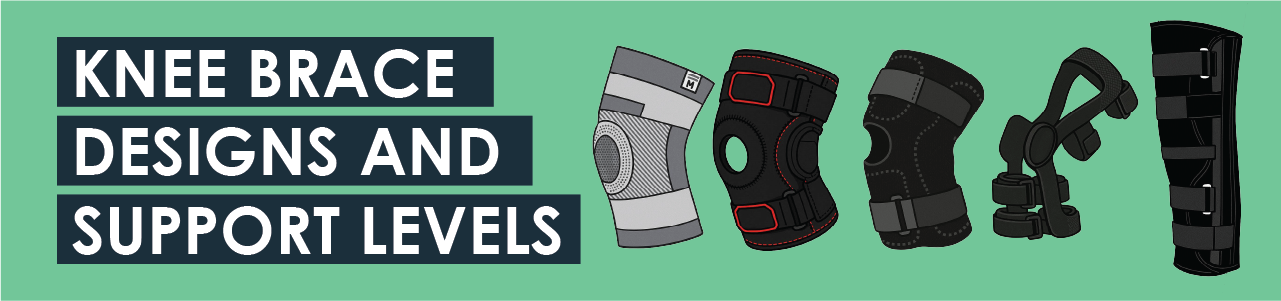
TLDR: Knee braces differ by how much structure they add and whether they provide compression, stability, or motion restriction. Compression sleeves and knit supports provide light support for warmth and mild compression. Wraparound braces and stays provide moderate, adjustable support. Hinged knee braces provide higher stability support during movement. Immobilizers and ROM braces restrict bending or straightening, often as part of clinician-directed care.
A knee brace is a worn support that wraps the knee joint to add knee support, compression, structure, or movement limits. Many designs also help guide the kneecap and reduce unwanted shifting during walking, stairs, or daily tasks.
Brace design often matters more than brand in early selection. A brace can be built for compression and warmth, for stability support during movement, or for motion limitation. Picking the wrong design often leads to fit frustration, sliding, skin irritation, or a brace that does not match the activity.
Safety note: clinician direction is important for post-op care, severe instability, new numbness, tingling, cold toes, severe swelling, or sudden pain that changes walking. These warning signs can point to problems that need assessment, not a stronger brace.
A Simple Support Level Framework
This support level ladder sorts bracing options by how much structure they add. It also separates compression from stabilization, and stabilization from motion restriction. That separation helps faster browsing decisions and reduces overbuying or underbuying support.
| Support level | Common designs | Built to do | Typical use | Common tradeoffs |
|---|---|---|---|---|
| Light support | Compression sleeves, knit supports, open patella sleeves | Add warmth and mild compression | Everyday activity, light sports, swelling control | Less structure, more sliding and rolling risk |
| Moderate support | Wraparound braces, stays, reinforced sleeves, patella straps, patella stabilizers | Add light structure and adjustable support | Walking, work shifts, mild to moderate instability | More bulk, strap pressure and Velcro wear-out |
| Higher support | Hinged knee braces, hinged patella stabilizers | Provide stability support during movement | Instability with stairs, turning, or sports | Thicker profile, hinge alignment and pinching issues |
| Restricted motion | Immobilizers, ROM knee braces | Limit bending or straightening as directed | Post-op, injury care, clinician-directed protocols | More bulk, sliding, sleep and sitting challenges |
Light Support: Sleeves and Knit Supports
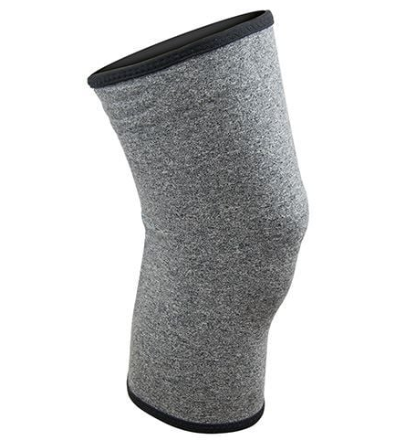
Light support products are usually a compression sleeve or knit support made from compression fabric. These designs focus on warmth, mild compression, and a close fit under clothing during errands, work shifts, or light activity. Some sleeves include an open patella design that adds gentle kneecap support while still functioning as a light-support sleeve. Because the material relies on stretch and compression instead of rigid parts, light support braces can feel less bulky than hinged styles. They do not add rigid structure, and they are not built to control side-to-side movement. When slipping, rolling, or heat buildup becomes the main issue, sizing and fabric choice often matter more than brand.
Moderate Support: Wraparound Supports, Stays, Reinforced Sleeves
>Moderate support designs often add adjustable closures and light structure that can be tuned through the day. A wraparound brace typically uses strap closures and hook-and-loop closure systems, which can help accommodate swelling changes and make the brace easier to put on than a pull-on sleeve. Many models include flexible stays along the sides to reduce shifting while still allowing normal bending for walking, stairs, and longer wear periods. Patella straps and patella stabilizer braces also sit in this support range, focusing support around the kneecap while still allowing normal motion. Common tradeoffs include more bulk under clothing and strap pressure marks if tension is uneven. When the brace feels loose after an hour, adjusting strap order and checking stay placement often resolves the issue.
Higher Support: Hinged Braces
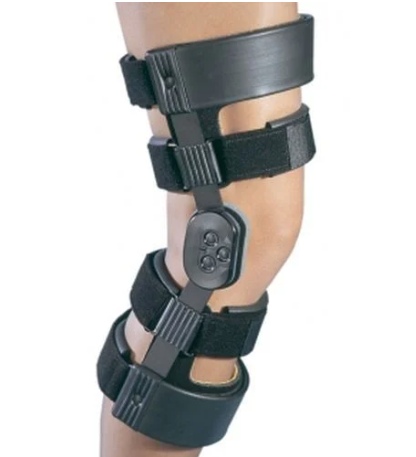
Higher support braces add rigid hinges on the inner and outer sides of the knee to provide more structure than sleeves or basic wraparound designs. Hinges are built for stability support during movement, especially when a person feels unstable during walking, turning, or stairs. Some hinged models also include patella buttress padding to combine kneecap support with higher stability. Many hinged models use straps above and below the joint to help anchor the brace and keep the hinges aligned with the knee. Common real-world issues include pinching behind the knee, hinge alignment problems, and bulk under clothing, particularly during long wear times. When the brace shifts during activity, rechecking sizing, adjusting strap tension in sequence, and adding a thin liner can improve comfort and reduce migration.
Restricted Motion: Immobilizers and ROM Braces
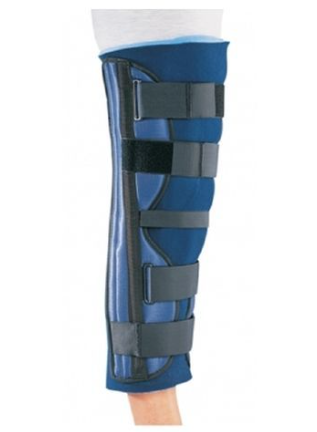
Restricted motion products are designed to limit bending, limit straightening, or both, when motion control is the primary goal. A knee immobilizer uses immobilizer panels and multiple straps to hold the leg in a set position, which can help reduce unwanted movement during short-term recovery. A ROM knee brace uses a hinge with ROM dial or stops to set allowed motion ranges, which supports step-by-step activity progression when a specific range is required. Because fit and settings matter, these products are often used with clinician guidance, especially after injury or surgery. Common tradeoffs include bulk, sliding down the leg, pressure hot spots during sitting or sleep, and the need for frequent skin checks and strap adjustments.
Real-world decision point: when a brace needs to limit motion, correct fit and strap sequence often matter more than comfort features. A compression-focused brace can feel supportive without restricting movement, which helps it fit into normal walking, sitting, and clothing routines. Motion restriction changes those routines because the brace is built to block bending, block straightening, or both. That shift often affects how a person walks, how the brace sits in a chair or car, and how easily it fits under pants. When a restricted-motion brace slides or creates pressure points, the issue is usually placement, strap tension, or sizing, not a lack of padding.
Compression Sleeves and Knit Supports
Compression sleeves and knit supports are often used for warmth, mild support, and compression. They commonly fit under pants and can be worn during activity or during daily routines, depending on comfort, heat, and skin tolerance.
Real-World Pain Points and Fixes
- Slipping or rolling: sleeve migration often happens when sizing is based on only one measurement. A basic brace sizing chart and a measuring tape can help confirm calf and thigh circumference for a more stable fit. A sleeve that is too tall can also roll at the edges.
- Heat and sweat buildup: moisture buildup is common during long wear, work shifts, or exercise. A breathable weave can reduce heat, but any tight sleeve can still trap sweat in warm conditions.
- Skin irritation at edges: edge irritation can come from tight seam edges, rolling, or friction at the top band. A sleeve that fits the thigh but squeezes the calf, or the reverse, often causes rubbing at the edges.
Most-Asked Questions
How to Size?
Most sleeves fit best when measurements are taken at the points listed on the sizing chart. Measuring both above and below the knee helps reduce sleeve migration and rolling. If measurements fall between sizes, comfort and swelling patterns can guide the choice, but tightness should not cause numbness or discoloration.
When to Wear: Activity vs. All Day?
Wear schedule depends on heat, skin comfort, and activity. Some people tolerate all-day wear during work or errands. Others prefer activity-only use because compression can feel hot during long wear times.
What to Do if It Slides Down?
Sliding can be reduced by rechecking measurements, adjusting placement higher on the thigh, and choosing a sleeve with stronger top grip features. If sliding continues, a moderate support wraparound design may help because strap tension can be adjusted through the day.
Patella Knee Braces and Kneecap Support
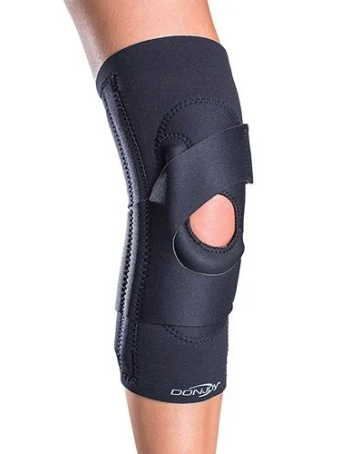
Patella knee braces focus on the kneecap area rather than the entire joint. These braces are designed to apply support around the patella through features such as kneecap openings, buttress rings, or patella straps. They are commonly used when people describe the problem as the kneecap feeling unstable, shifting, or becoming irritated during stairs, squatting, or prolonged sitting.
Patella-focused braces can appear in several designs. Some are simple straps worn just below the kneecap, while others are sleeves or wraparound braces with padded rings that sit around the patella. The goal of these designs is usually to guide kneecap movement and distribute pressure around the joint rather than restrict overall knee motion.
Real-World Pain Points and Fixes
- Brace or strap sliding during activity: patella straps and stabilizers can move when placed too low or when the strap tension is uneven. Placement just below the kneecap, along with even strap tension, helps maintain position during walking or sports.
- Pressure directly on the kneecap: discomfort can occur if the brace presses directly on the patella rather than around it. Designs with padded buttress rings or kneecap openings typically distribute pressure more evenly around the joint.
- Skin irritation around the kneecap opening: open-patella sleeves can cause rubbing if the brace shifts or if the edge of the opening contacts the kneecap repeatedly. Correct sizing and proper positioning can reduce friction.
- Confusion between straps and stabilizers: patella straps are usually designed to apply pressure below the kneecap, while stabilizer braces surround the kneecap with padding or structural support. Choosing the design that matches the problem description can reduce trial-and-error purchases.
Most-Asked Questions
Where Should a Patella Strap Sit?
A patella strap typically sits just below the kneecap, across the patellar tendon. Placement too high on the kneecap or too far down the shin often causes slipping or uneven pressure.
How Tight Should a Patella Brace Be?
The brace should feel secure but not restrict circulation. Excessive tightness may cause numbness, tingling, or skin discoloration. Strap tension should allow normal movement without creating deep pressure marks.
When Is a Stabilizer Better Than a Strap?
A strap focuses pressure below the kneecap, while stabilizer braces support the kneecap from multiple sides. When the kneecap feels like it shifts or moves during stairs or turning movements, a stabilizer-style brace may provide more consistent positioning.
Wraparound Supports and Stays
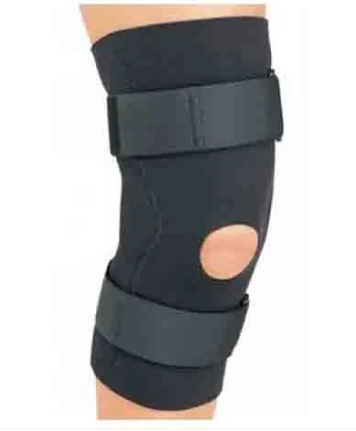
Wraparound knee braces open fully, then close with straps. This design can be easier for people who do not want to pull a sleeve over the foot and calf. Closures matter because strap routing and hook-and-loop condition affect fit, stability, and comfort.
Real-World Pain Points and Fixes
- Strap bite and pressure marks: pressure marks can happen when straps are pulled too tight or tightened in the wrong order. Strap tension should be firm enough to reduce shifting without creating circulation problems. Pay attention to the back of the knee, including the rear popliteal area.
- Velcro wear-out: hook-and-loop systems can lose grip when lint builds up or when the brace is stored with tabs exposed. Closing tabs onto their own landing zones during storage can extend brace life.
- Bulk under clothing: thickness varies by design. A lower-profile brace can reduce bulk under pants, but thinner braces may provide less structure and less stability support.
Most-Asked Questions
How Tight Is Too Tight?
Warning signs include numbness, tingling, discoloration, cold toes, or pain that increases after tightening. These signs call for loosening, checking placement, and clinician guidance if the problem does not resolve.
How to Position Stays?
Side stays should sit along the sides of the knee, not twisted forward or pushed behind the leg. A brace with a patella opening should center the opening around the kneecap without pulling the brace down or twisting it during walking.
Hinged Braces
Hinged braces add stability support during movement. Hinges are designed to reduce unwanted side-to-side motion and help the knee track during walking, turning, and stairs. Common styles include a wraparound hinged design and a pull-on hinged sleeve with straps.
Real-World Pain Points and Fixes
- Pinching behind the knee: pinching often comes from strap placement or hinge position that presses into the back of the knee during bending. Adjusting strap anchors and checking hinge height can reduce pinching.
- Hinge alignment issues: hinges work best when aligned with knee bending points. Misalignment can increase shifting, rubbing, and pressure spots. Hinge placement landmarks and condyle pads can help stabilize alignment when fitted correctly.
- Bulk under clothing and movement noise: hinges add thickness and can create rubbing sounds. Material choice, strap tension, and a smoother surface can help manage noise and clothing fit.
Most-Asked Questions
Wraparound vs. Pull-On Hinged Braces?
Wraparound styles offer adjustability and can be easier to apply when swelling varies. Pull-on styles can feel more uniform and can reduce shifting for some body shapes, but sizing must be accurate for comfort and stability.
When a Liner Helps?
A liner or undersleeve can reduce skin friction, reduce sweat contact, and improve comfort. Liners can also help protect skin when a brace is worn for longer periods.
Immobilizers and ROM Braces
Restricted motion bracing is different from general knee support. Immobilizers and ROM braces are designed to control motion when restriction is required. These products often require clinician guidance because the goal is not comfort support, it is motion control.
Real-World Pain Points and Fixes
- Sliding down the leg: migration is common because these braces are long and can be heavy. Using the correct strap sequence and checking anti-migration strap placement can help reduce sliding.
- Skin pressure and hot spots: pressure points can form at strap edges, brace ends, and bony areas. Regular skin checks should include the back of the knee, the shin, and the upper calf where straps often sit.
- Sleep and sitting comfort challenges: restricted motion changes sitting posture and can make sleep positions harder. Padding checks and strap tension checks can reduce hot spots, but comfort limits are common.
Most-Asked Questions
When Walking Is Appropriate?
Walking guidance depends on the condition and the motion settings. A ROM brace with set limits can allow walking under guidance, while an immobilizer may be used for strict restriction. Clinician direction is important for deciding when walking is appropriate.
How to Prevent Migration?
Migration control often improves when straps are tightened in the correct order and rechecked after standing. Rechecking fit after sitting and standing can reduce shifting during daily movement.
Quick Decision Guide
This short checklist routes shoppers to the right design by activity and constraint, while separating comfort support from stability support, and stability from motion restriction.
- Needs compression and warmth: start with a compression sleeve or knit support, especially when the goal is mild support and better comfort during daily activity.
- Needs stability support during movement: consider wraparound supports with stays or patella stabilizers for moderate support, or hinged braces (including hinged patella designs) for higher support during stairs, walking, turning, and active days.
- Needs restricted motion: immobilizers and ROM braces match motion limitation needs, often with clinician guidance for safe use.
Sizing reminder: use a measuring tape and follow the sizing chart measuring points. Fit checks should include comfort in standing, comfort in sitting, and circulation safety checks. Warning signs include numbness, tingling, discoloration, and coldness below the brace.
Suggested Verification Links
These sources can support safe use guidelines and fit and tightness checks:
- American Academy of Orthopaedic Surgeons: patient education on knee injuries, bracing, and safe care pathways
- Brigham and Women’s Hospital or Cleveland Clinic: patient guidance pages on braces, swelling, and circulation warning signs
- Major brace manufacturer education pages: fit guidance, strap tension checks, hinge alignment education, and wear-time reminders

Login and Registration Form