
Click a link to jump to the section.
Introduction
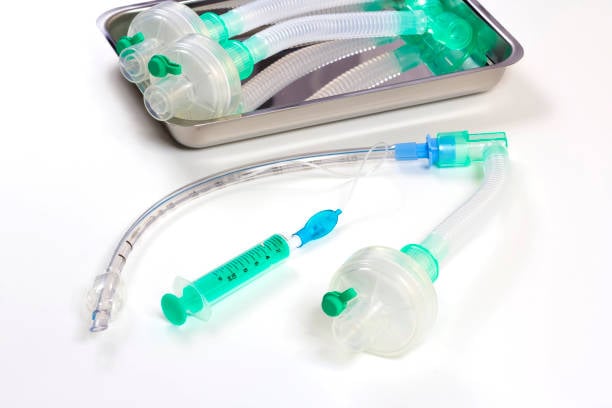
Tracheostomy dislodgement is a serious event that requires quick but calm action. Being prepared beforehand can save precious time when dealing with trach dislodgement, and checking for seemingly small things like secure trach ties can prevent a trach dislodgement from happening in the first place.
This guide provides general steps for caregivers caring for those with tracheostomy tubes; this guide should not replace medical training or advice from your doctor. This is not intended as a subsitute for medical advice. Consult with your doctor for specific advice about tracheostomy care.
1. Understanding Tracheostomy Tube Dislodgement
What is dislodgement?
Dislodgement (also known as accidental decannulation) refers to when a tracheostomy tube falls out or is unintentionally removed.
How does a trach tube become dislodged?
Trach tubes are most likely to dislodge within the first seven to ten days after the initial tracheostomy. Trach tubes can become dislodged for several reasons, including but not limited to:
- Movement or turning
- Frequent coughing
- Enlarged thyroid gland
- Inadequately secured trach tube or inadequate tube length
- Weight changes
Dislodgement within the first week after surgery is considered a medical emergency. Do not try to reinsert the tube if the tracheostomy is fresh; go to the emergency room immediately.
Those with a long-healed tracheostomy are more likely to be able to reinsert the tube without medical attention. If your doctor confirms it's okay, you can reinsert your trach tube with the help of a trained partner, caregiver, or family member.
- Wash your hands.
- Prepare a clean tube and insert trach ties into the neck plate openings.
- Put the obturator in the outer cannula.
- Use water or water-soluble lubricating jelly on the bottom of the tube.
- Insert the brand-new tube with a back-and-down motion.
- Remove the obturator from the outer cannula.
- Take a deep breath and secure trach ties.
- Insert the inner cannula into the outer cannula and lock in place.
- Check for breathing. If available, you can use an oximeter to check oxygen levels.
2. Recognizing the Signs of Dislodgement
Recognizing the signs of dislodgement is especially important if you are a caregiver for someone with a tracheostomy. A dislodged tube may not cause an immediate problem for those with a healed tracheostomy, so it's essential to monitor other symptoms that may indicate dislodgement before it becomes serious. Beyond the visual signs of seeing the trach tube itself come out, signs of a trach dislodgement include:
- Tube displacement
- Respiratory distress/labored breathing
- Bleeding
- Difficulty using suction catheters
- Oxygen desaturation
If inserting a new tube doesn't work and/or symptoms worsen, call 911 immediately! Trach dislodgement can cause airway obstruction and brain damage, so it's important to get medical attention as quickly as possible.
3. Immediate Steps to Take in an Emergency
What should you do if you notice a trach tube dislodgement? Stay calm and use the following steps as a guide.
- Assess breathing and check for respiratory distress. Most with older tracheostomies should be able to breathe through an intact, open stoma. If the tracheostomy is fresh, call 911.
- Attempt to pass a suction catheter. If their airway is compromised in any way, call 911. Any airway obstruction with a trach dislodgement can lead to respiratory arrest.
- Try reinserting a fresh tube of the same size or one size smaller (only if you are trained).
- If reinserting a new tube doesn't work, call 911. If authorized by your doctor, ventilate via the stoma or mouth, using an Ambu-bag.
Trach tube insertion should only be attempted by trained individuals. If you are not trained on reinserting a tracheostomy tube, call emergency services immediately.
4. Preventing Future Dislodgements
There are several trach care products designed to help hold the trach tube in place and prevent dislodgements.
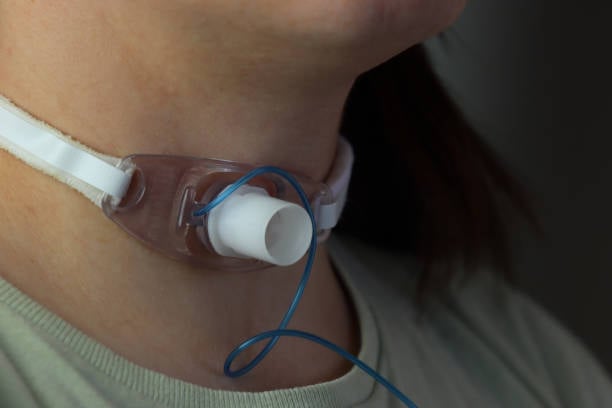
Secure trach ties can make all the difference in holding a trach tube safely in place. When securing a trach tie, ensure it’s not too tight or too loose. One to two fingers should fit snugly and comfortably between the tie and the neck. Trach ties should be changed daily, and more often if they have become wet, dirty, or frayed.
Tube holders (also known as trach collars) hold trach tubes in place with adjustable and comfortable straps that are worn around the neck.
Check on the trach tube and ties several times a day to ensure security. Trach ties and holders only help if they're in good condition and clean. Daily tube inspection should be a regular part of a tracheostomy care routine.
5. Training and Preparedness for Caregivers
Keep supplies on hand in case of an emergency, including but not limited to:
- Spare trach tube of the same size (and one tube a size smaller)
- Obturators
- Trach ties
- Water-soluble lubricant
- Suction catheters and catheter kits
- Suction machine
- Syringe for inflating a cuffed tube, if necessary
- Bulb syringe
- Written emergency protocols
Being trained and prepared to help your loved one in case of an emergency is essential. Your loved one's doctor and clinical team can train you on complete tracheostomy care and what to do in a trach emergency. Some clinics even offer free online courses or hands-on training courses. Ask your loved one's doctor about any parts of tracheostomy care you feel unsure about doing on your own at home.
6. When To Seek Immediate Medical Help
Call 911 if your loved one with a trach experiences any of the following (whether dealing with a dislodged tube or not):
- Trouble breathing
- Swelling around the stoma
- Coughing up blood
- Lasting bleeding or large amounts of blood from the trach site
- Suction doesn't clear blockages
- Tracheostomy tube reinsertion failure
Conclusion
The right preparation and proper training make all the difference when it comes to dealing with a trach tube emergency. Having emergency supplies on hand in case of dislodgement and knowing when to call 911 can help save a life. Vitality Medical has a wide variety of trach care products and accessories available to help you maintain your loved one's health. Shop today.
References
- 1 "Cheatham, M. L. (2020, February 20)." Tracheostomy dislodgement.
- 2 "Soliman, M. (2024, June 26)." What to do after accidental tracheostomy removal. Medical News Today.
- 3 "Gillette Children’s." Emergency tracheostomy care at home.
- 4 "UR Medicine." Care of a tracheostomy.
- 5 "UMass Memorial Health." Tracheostomy care.
- 6 "Radhakrishnan, R. (2021, January 8)." What to do if a trach is dislodged?
- 7 "Osuna, M. (2025, February 27)." 3 types of tracheostomy emergencies.
- 8 "Fox, J. (2025, November 21)." From fear to empowerment: Navigating tracheostomy care as a caregiver. Lincare.
- 9 "University of Iowa Health Care. (2024, November)." How to change a tracheostomy tube.
- 10 "Connected Care. (2020, April 21)." How to be prepared to perform an emergency tracheostomy change.

Login and Registration Form