
Quick Summary:
When you use infusion therapy at home, there can be a lot to manage. This blog goes over the 8 most helpful tips for managing and storing IV supplies to maximize their use and prevent potential infections. Proper storage, handling, and organization are all key to safe infusion therapy.
Click a link to jump to the section.
Introduction
Managing infusion therapy and the IV supplies that come with it can be overwhelming. Safe infusion therapy involves organization, cleanliness, and proper storage. Without these, you risk compromising the efficacy of essential medications and impacting your overall health. In this blog, we'll go over 8 vital tips that can help you easily manage your supplies and get the most use of your medications.
IV Supply Checklist
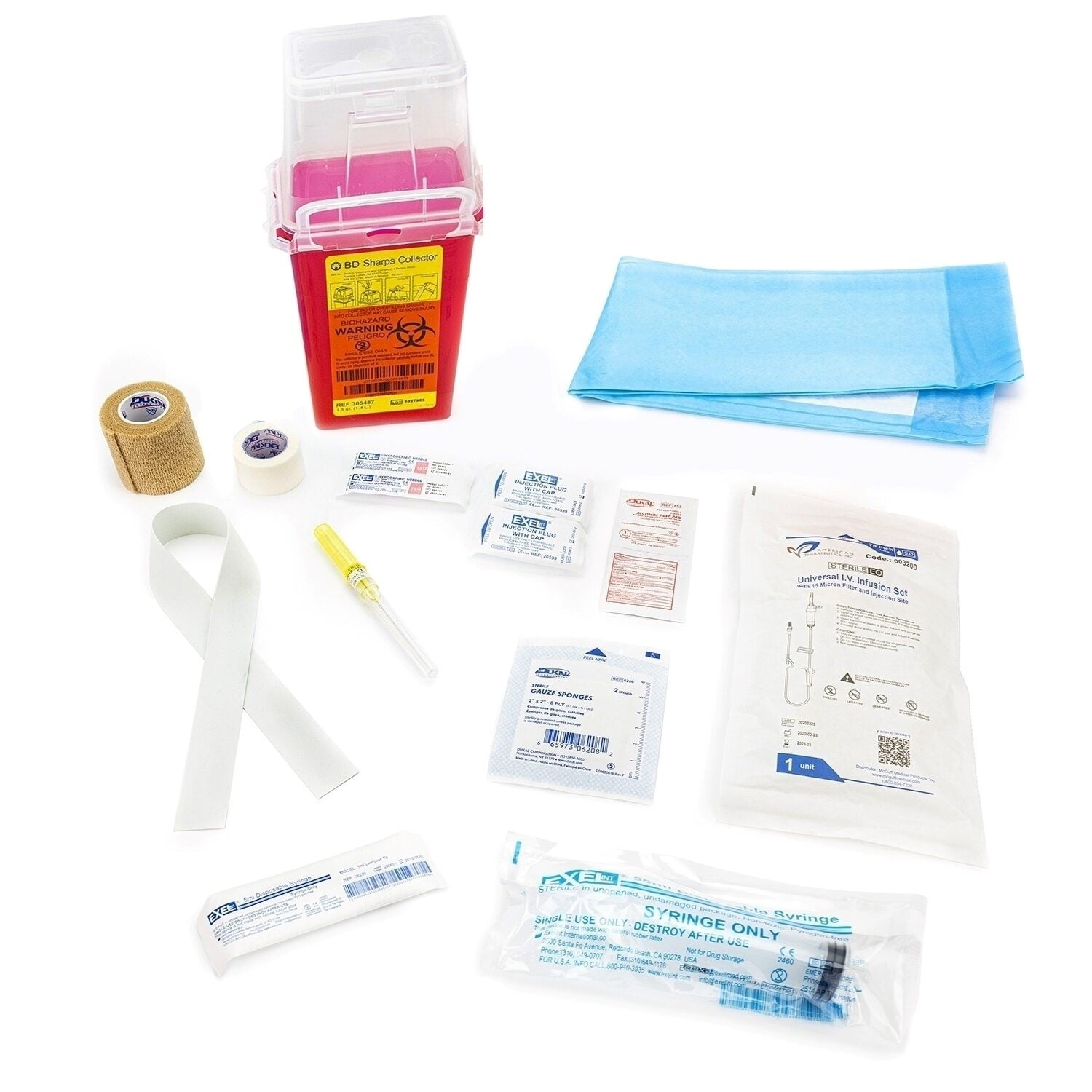
Your healthcare provider should discuss the necessary supplies for infusion therapy with you. You can also refer to this checklist to make sure you have everything you need:1
- Medicine Bag (or Bottle): Your prescribed medication (or fluids) comes in a bag or a bottle. Check for any leaks or breaks in the seal. Store as directed on the packaging.
- IV Pole or Hook: Your medication is hung on an IV pole or a wall hook.
- Tubing: Clear tubing delivers medicine from its container into the attached catheter.
- Pump or Clamp: A pump or a clamp determines the flow speed. Your provider will prescribe the correct flow rate for your therapy.
- Needles and Syringes: Tubing is inserted into the catheter with a needle. Before and after treatment, syringes are used to flush the tubing.
- IV Dressings and Tape: A sterile dressing covers the catheter insertion area to help prevent the risk of infection. The tape helps hold that dressing in place.
- Alcohol Swabs/Antiseptic Wipes: The catheter opening should be cleaned regularly with antiseptic wipes or solutions to help prevent bloodstream infections.
- Sharps Container: Used needles and syringes should be disposed of in a sharps container to prevent punctures and cross-contamination.
1. Keep Supplies in a Clean, Dry Environment
Where you store supplies is as important as how you handle them. Consider the following when storing IV supplies:
- Store in a Stable Environment: Supplies should be stored in a clean, dry area (unless otherwise directed - some medications need to be refrigerated or frozen). Avoid storing supplies in damp areas, such as bathrooms or basements, as the fluctuating moisture levels in these areas can affect the efficacy of medication.
- Keep Supplies out of Direct Sunlight: Store supplies at room temperature away from direct sunlight.
- Separate IV Supplies: IV supplies should not be stored where they can come into contact with other items. Refrigerated or frozen medicines should ideally be stored in a separate unit from food, or placed on a clean shelf away from other items in the fridge.
2. Keep Supplies Organized
Organizing your IV supplies is essential for safety and accessibility. Here are some tips to consider for organization:
- Categorize Items by Type: Separate supplies into categories2 (medicines, tubing, needles and syringes, dressings, alcohol swabs, etc.).
- Use Labeled Containers: Store items in clear, labeled containers for quick and easy access. Being able to see supplies at a glance improves efficiency and saves time—label containers with the item name and expiration date.
- Designate a Specific Storage Area: Choose a safe spot for your IV supplies, such as a cabinet or drawer. Ensure the area is out of reach for any kids or pets in the home.
- Make Frequently Used Items Easy To Reach: Position more frequently used supplies towards the front and less used supplies in the back of the storage area.
3. Maintain Original Packaging
Keep medications and supplies in their original packaging. Many IV supplies are packaged sterile and their original packaging protects the contents from light, dust, and moisture. This way, you can always have essential information at a glance, like the drug name, dosage, storage instructions, and expiration date.
4. Check Inventory Regularly
It is vital to keep track of expiration dates and make regular audits of your inventory. Depending on the amount of supplies you need, this can be overwhelming. Here are some tips for managing supplies and expiration dates:
- Use the FIFO Method: FIFO stands for "first in, first out". This means prioritizing the use of older products first, ensuring older items always get used before newer ones.
- Manage Dates With a Spreadsheet: Log supplies and their expiration dates in a spreadsheet or an inventory app.
- Set Automated Reminders: Set reminders on your phone to notify you of expiration dates or low stock - this will help remind you to use certain supplies first so they don't go to waste.
- Check Supplies Frequently: Periodically inspect medications and supplies. Check for damage and any expired medications. Order replacements for items that are running low or expired.
- Dispose of Expired Supplies: Immediately throw away any expired medications. If anything has been stored improperly or been compromised, also dispose of those supplies. DO NOT use any medications or similar items past their expiration date.
5. Store Medications According to Instructions
Many medications require storage at room temperature out of direct sunlight, but some may require more specific care3. Some medications may require refrigeration, others need freezing. ALWAYS follow the manufacturer's instructions for the storage and care of your medications.
6. Handle All Items with Clean Hands
Before touching any IV supplies or sets, always wash your hands first. If handling any sterile supplies, wash your hands AND wear gloves to maintain sterility and prevent the risk of contamination.
7. Avoid Overstocking
It can be tempting to stock up on supplies in bulk to save time. However, this can lead to unnecessary waste when items may expire or become compromised before you can use them. To prevent waste and to maximize the use of all supplies, only buy and store what is needed for short-term use.
8. Keep Emergency Supplies Easily Accessible
In addition to your typical supplies, keep backup and emergency supplies on hand, including backup IV sets, first aid items, gloves, antiseptic wipes, and more. An emergency supply is great in case of delivery delays and restocking essential items.
Conclusion
With these techniques and strategies, you can create an organized, efficient IV supply station at home. Proper storage and handling promote peace of mind and prevent the risk of infection and contamination. Regular checks and rotation of IV supply inventory help ensure you have the high-quality supplies you need at the right time. Vitality Medical has a wide range of helpful medical supplies available. Browse our selection of IV supplies today!
Footnotes
- 1 "Saint Luke's." Home infusion therapy: Checking your supplies. Saint Luke’s Health System.
- 2 "PediPec (2025, April 1)." Tips for storing and organizing medical supplies at home. Saint Luke’s Health System.
- 3 "HumanCare NY - Expert Home Healthcare Services. (2025, May 8)." How to store medications properly for maximum effectiveness. HumanCare.

Login and Registration Form