Click a link to jump to the section.
- Cleaning the Exterior of the Concentrator
- Checking and Maintaining Filters
- Caring for Oxygen Tubing and Cannulas
- Portable Concentrator Battery Care
- Keeping Airflow and Vents Clear
- Understanding Alarms and Error Messages
- Knowing What Not To Service at Home
- Maintaining Humidifier Accessories When Used
- Oxygen Concentrator Maintenance Checklist
- Frequently Asked Questions
Introduction
To help your oxygen concentrator function properly and to make the most of its lifespan, performing regular maintenance on it is essential. Ignoring alarms, neglecting regular cleaning, and not following a maintenance routine can potentially cause damage to the unit or affect its ability to deliver oxygen.
This blog will cover some important maintenance information to help you maximize the benefits of your oxygen concentrator.
Cleaning the Exterior of the Concentrator
A good place to start with oxygen concentrator maintenance is keeping the exterior surfaces clean. The concentrator can accumulate dust and grime over time, and it should be cleaned either weekly or as needed.
Another thing to be mindful of is excess moisture, especially around the vents, controls, and electrical components. External moisture can be a sign of ambient humidity or a leaking humidifier bottle or connection.
How To Clean an Oxygen Concentrator’s Exterior
Make sure your concentrator is off and unplugged. To remove exterior dust, wipe down the surface with a damp cloth and mild soap. Let it air-dry. Do not submerge the unit in water.
Checking and Maintaining Filters
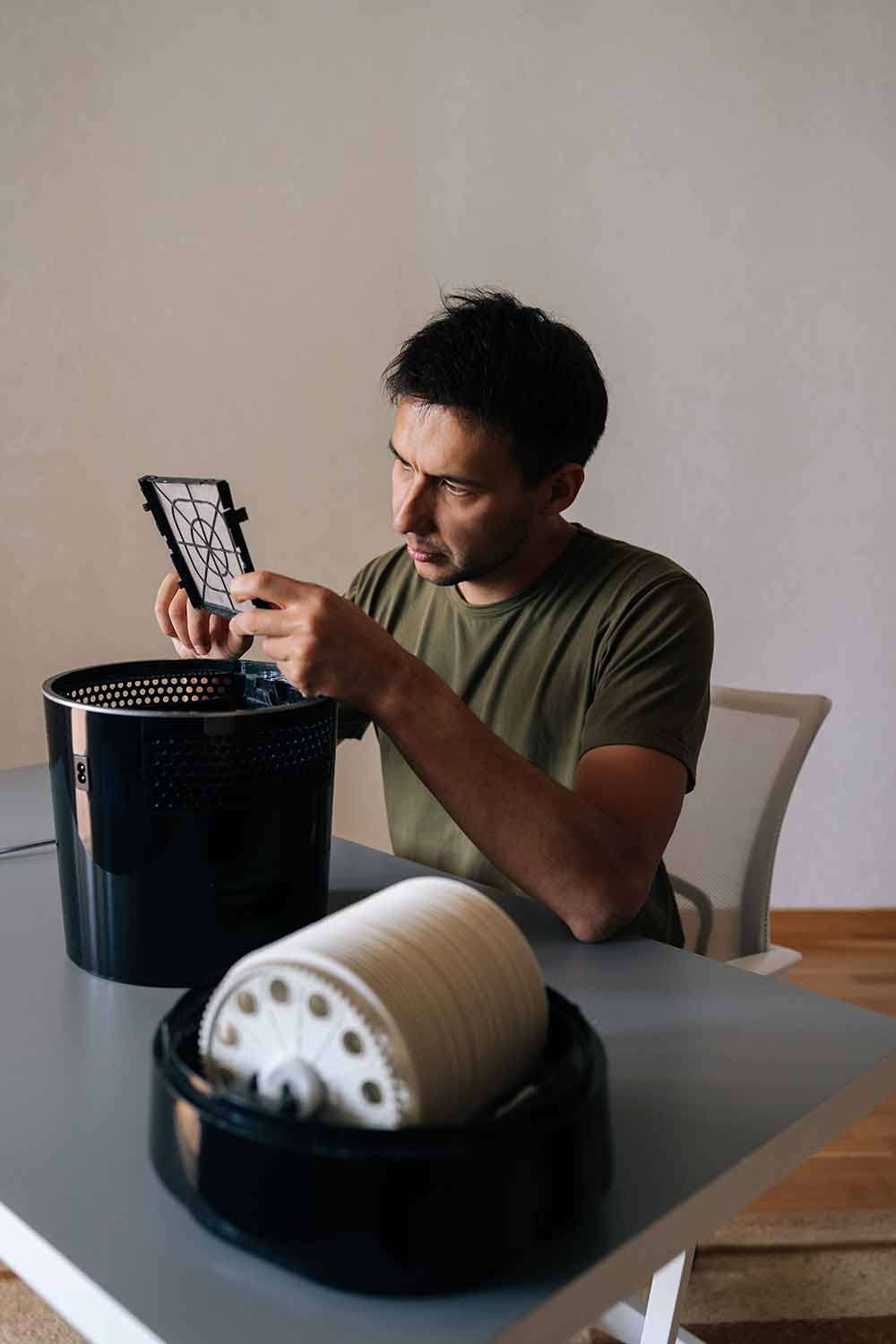
Oxygen concentrator filters help clean the air before it enters the concentrator. If left unchecked, the filter can accumulate dust and grime, and eventually the oxygen flow pressure will start to fall. The concentrator may also become louder as it works to pull air through a clogged filter. It may even start overheating, which can potentially damage some internal components.
How Often To Clean or Replace Oxygen Concentrator Filters
Gross particle filters, also known as external filters, are washable and should be cleaned weekly. They should be replaced about every 6 to 12 months.1
Internal/HEPA/Bacterial filters are not washable and should be replaced about every 1 to 3 years.1
For more specific guidelines on when to replace your oxygen concentrator filters, check your user manual or the manufacturer’s guidelines.
Caring for Oxygen Tubing and Cannulas
Cannulas and oxygen tubing are essential accessories for using an oxygen concentrator. To maintain your tubing and cannulas, check them regularly to make sure they aren’t kinked and inhibiting your oxygen flow. Additionally, it is always a good idea to have compatible replacements on hand for when you need them, like these Salter Labs Soft Nasal Cannulas.
Generally, cannulas should be cleaned daily and weekly. On a daily basis, wipe down the nasal prongs and outer tubing with a clean, damp cloth or disinfecting wipe to remove mucus, facial oils, and other grime that may accumulate during daily use. On a weekly basis, you can wash the cannula with soap and warm water, then let it completely air-dry.
It is recommended to replace cannulas about every 2 to 4 weeks and the tubing about every 2 months.
However, the manufacturer may have more specific guidelines on when to replace, how to clean, and how often to clean your cannulas and tubing. Make sure to review the manufacturer’s recommendations before proceeding with replacing or cleaning anything.
Portable Concentrator Battery Care
If you own a portable oxygen concentrator, it likely has a rechargeable lithium-ion battery. As with the filters, cannulas, and tubing, it is recommended to keep extra batteries on hand for when they might need replacing. The manufacturer will also likely have suggestions for charging and storing the concentrator.
If using older batteries, be mindful if the runtime becomes shorter than expected.
Keeping Airflow and Vents Clear
Keeping the concentrator in a place with poor air quality, inadequate ventilation, or excessive moisture can not only clog up the filters, but also affect the oxygen flow and quality. Allowing adequate airflow around the concentrator and its air intake vents can help prevent these issues. Ensure you are also able to protect your concentrator from food and drinks, as accidental spills can also affect the airflow if they fall on the vents.
Understanding Alarms and Error Messages
Oxygen concentrator alarm indicators may seem confusing and—for lack of a better word—alarming. They may look like flashing lights or symbols on the display, or they may even sound like a beeping noise. However, these alarms are helpful communications that can help you understand what might be going on with your concentrator.
Some common alarms or indicators in oxygen concentrators are:
- Power Loss: Your oxygen concentrator has lost connection to its power source and is forced to shut down.
- Low Oxygen Purity: The oxygen concentration has dropped below the device's specified threshold. This may be caused by restricted airflow, problems with internal components, or other equipment malfunctions.
- Low Flow/No Flow/Occlusion: Oxygen flow between the machine and the user is restricted. The tubing or cannula may be kinked, twisted, or disconnected.
- High Temperature/Overheating: The internal components of the concentrator are too hot and may need to shut down to help prevent resulting damage. This may be caused by the concentrator being positioned too close to heat sources or objects that obstruct the vents. Or the filter may be clogged and causing the machine to overwork to filter the ambient air.
This list includes some common alarms; however, each concentrator often has its own unique set with its own meanings. Make sure to keep your user manual on hand as a reference for when an unknown alarm goes off. If an alarm cannot be resolved according to the instructions, contact the manufacturer.
Knowing What Not To Service at Home
While there are many tools and tips for performing maintenance on your oxygen concentrator yourself, there are times when it will be best to have a professional technician service the machine. Check the user manual, manufacturer website, or any other manufacturer materials for your device for specific guidelines on when to contact a technician.
To err on the side of caution, avoid removing device covers, performing internal repairs, or making unauthorized modifications to the concentrator. Instead, contact the device manufacturer for an authorized service technician or further instructions.
Maintaining Humidifier Accessories When Used
If you use an oxygen humidifier bottle with your oxygen concentrator, knowing how to care for it is also important for overall concentrator maintenance. Some humidifier bottles can be cleaned with soap and water; however, check the manufacturer’s instructions before proceeding. Cleaning the humidifier properly will help prevent mold or bacterial growth in the bottle.
Oxygen Concentrator Maintenance Checklist
Here is a general checklist for caring for your oxygen concentrator.1 Before continuing, check the concentrator manufacturer’s guidelines and suggestions for any changes or additional information about cleaning and maintenance.
- Daily:
- Wipe down or clean the nasal cannula prongs.
- Check the cannula and tubing for kinks or twisting.
- If using a humidifier, replace the used water with fresh distilled water.
- Weekly:
- Clean the gross particle filter and let it fully air-dry before putting it back into the concentrator.
- Wipe down the exterior of the concentrator.
- Check for signs the cannula may need replacing (stiffness, discoloration, etc.) and replace if needed, even if it is before the 2- to 4-week replacement mark.
- If using a humidifier, clean the bottle.
- Monthly:
- Replace the nasal cannula if it is suitable to wait until the 4-week replacement mark.
- Every 2 months:
- Replace the oxygen tubing.
- Every 6 months:
- Replace the HEPA filter (if the manufacturer recommends 6-month replacement) and humidifier bottle if using one.
- Annually:
- Replace the HEPA filter (if the manufacturer recommends 12-month replacement).
- Ask your oxygen equipment provider whether professional servicing is needed.

Frequently Asked Questions
How often should I clean my oxygen concentrator?
See the Oxygen Concentrator Maintenance Checklist for cleaning frequency.
How often should I replace filters, cannulas, or other parts and accessories on my oxygen concentrator?
See the Oxygen Concentrator Maintenance Checklist for a suggested parts replacement schedule.
Can I service my oxygen concentrator myself?
There are some elements of oxygen concentrator maintenance that you can do yourself, such as cleaning and replacing certain parts. However, there are other maintenance tasks that should be performed by a technician. See the Knowing What Not To Service at Home section for more information.
What should I do when my oxygen concentrator’s alarms go off?
When your concentrator’s alarms go off, check your user manual for a key that can tell you which alarm means which error may be occurring and how to proceed. If the manufacturer does not have any information about a certain alarm, contact them for information on what to do.
See some common alarms and their meanings in the Understanding Alarms and Error Messages section.
What do I do if my oxygen concentrator stops working?
If your oxygen concentrator suddenly shuts off, check the manufacturer’s user manual for troubleshooting. You might also consider these tips:
- If you rely on continuous oxygen, ideally you will have a backup or emergency oxygen tank or cylinder on hand. If so, switch to the backup immediately before troubleshooting your concentrator.
- Look for alarms: Your concentrator might have flashing lights or noises that might be giving clues to what is going on. The user manual will have a key that will tell you what each alarm means and if you might be able to fix it. Find more information about common alarms in the Understanding Alarms and Error Messages section.
- Check your power source and connections: Make sure your concentrator is fully plugged in. If so, try another outlet. If your concentrator runs on batteries, install a charged replacement battery.
- Check the vents, filters, and airflow: Sometimes the concentrator can be positioned in a way that does not have sufficient airflow, or the filters might be clogged, causing the concentrator to overheat and shut down to help prevent damage to the internal components. Let the concentrator cool down before trying to turn it on again.
Conclusion
While the idea of maintaining your oxygen concentrator might seem daunting, there are plenty of resources to help. The instructions provided by the manufacturer of your concentrator are an excellent place to start, as those guidelines are tailored to your device.
The key to keeping up with maintenance on your concentrator is keeping a consistent maintenance routine. While wiping down your cannula or changing humidifier water every day might be tedious, it will help to prevent issues later down the road. It can help to both preserve the lifespan of your concentrator and help ensure you continue to receive quality oxygen therapy.
Footnotes
- 1 Adeola, Oluwaseun and Perez, Lilly. When to Replace Your Oxygen Concentrator Supplies: A Full Maintenance Schedule. Accessed 20 October 2026.

Login and Registration Form