
Updated: February 12, 2026
Seasonal affective disorder (SAD) is a type of depression that follows a seasonal pattern, most often appearing during fall and winter months. It can affect mood, energy, sleep, appetite, and daily functioning. In the United States, millions of people experience seasonal changes in mood that may meet criteria for SAD.
Common symptoms can include low mood, loss of interest in usual activities, changes in appetite or weight, sleep disturbances, difficulty concentrating, and reduced energy. Anyone who notices these changes over several weeks, especially on a seasonal pattern, should discuss symptoms with a health care professional.
Light therapy
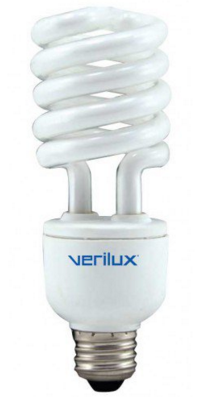
Light therapy is a frequently used approach for seasonal affective disorder. It involves regular exposure to bright light that is designed to mimic natural daylight. One way to add this type of light is with natural light bulbs, which can be used in fixtures where people spend time during darker months.
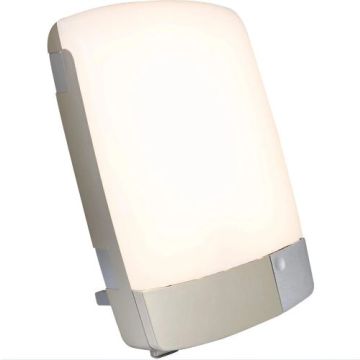
Another option is a dedicated light therapy lamp, such as the SunLite Bright Light Therapy Lamp by Carex. These lamps are typically placed on a desk or table so a person can sit near the light for a set period each day. Treatment time and distance from the lamp should follow the instructions from the manufacturer and any guidance provided by a clinician. Light therapy is not appropriate for everyone, so medical advice is important before starting treatment.
Physical exercise
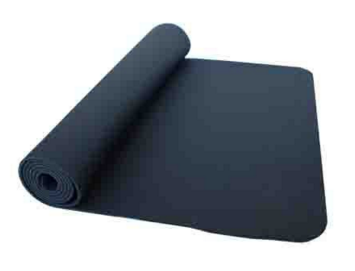
Regular physical activity can support mood, sleep, and overall health in people living with seasonal affective disorder. Activities such as walking, stretching, or yoga can be incorporated into a weekly routine as tolerated. A supportive surface, such as the CanDo Yoga Mat, can make floor-based exercise more comfortable and safer on joints. Any new exercise plan should be discussed with a health care professional, especially for individuals with existing medical conditions.
Sleep therapy
Changes in sleep are common with SAD. Some treatment plans may include structured approaches such as chronotherapy, which uses scheduled sleep and wake times and, in some cases, short periods of supervised sleep deprivation. These methods aim to reset the body’s internal clock. Chronotherapy should only be done under the guidance of a clinician who is familiar with the person’s medical history and current medications.
Dietary changes
Nutrition can play a supportive role in overall mood and energy levels. Some research has explored the relationship between melatonin, omega-3 fatty acids, and mood symptoms. Foods that naturally contain melatonin include:
- Sour cherries or sour cherry concentrate
- Mustard seed
- Corn
- Rice
Foods that are sources of omega-3 fatty acids include:
- Certain types of fish
- Eggs
- Milk
- Flaxseed
- Brussels sprouts
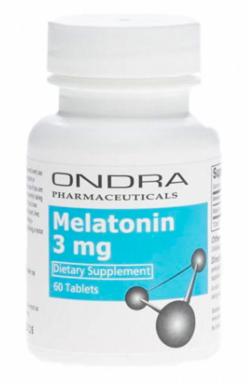
For individuals who cannot meet nutritional needs through food alone, supplements may be considered. Examples available at Vitality Medical include Natrol brand Omega-3 softgels and melatonin tablets by Gemini Pharmaceuticals. Supplements can interact with medications and may not be appropriate for everyone, so consultation with a health care professional is important before starting any new product.
Massage therapy
Massage can help many people feel more relaxed and may reduce muscle tension associated with stress. Massage lotions provide a smooth surface for the hands and can support skin comfort. The Massage Lotion by Master Massage is designed for use in clinical or home settings and is formulated to be gentle on the skin. Massage therapy should be adapted to individual health status, and certain conditions may require medical clearance before treatment.
Medication and clinical treatment
Some individuals with seasonal affective disorder are treated with prescription medications such as antidepressants. Medication decisions depend on symptom severity, medical history, other diagnoses, and potential interactions. These decisions are made in partnership with a qualified health care professional.
When medication is part of a treatment plan, tools that support organization can be helpful. The Deluxe Pill Organizer can assist with daily or weekly dosing schedules. For tablets that are prescribed to be divided, the Plastic Pill Splitter by Medline can help create consistent portions as directed by a clinician or pharmacist.
Combining approaches and seeking support
Many people find that a combination of strategies provides the best relief from seasonal symptoms. A treatment plan may include light therapy, exercise, nutrition, sleep strategies, counseling, medication, or other approaches tailored to the individual. Mental health professionals, primary care clinicians, and other members of the care team can help evaluate symptoms and recommend options.
This article is for general educational purposes only and is not a substitute for professional medical advice, diagnosis, or treatment. Any concerns about mood, energy, sleep, or functioning should be discussed with a qualified health care professional, especially if symptoms are severe or include thoughts of self-harm.
Resources
Mayo Clinic: http://www.mayoclinic.org/diseases-conditions/seasonal-affective-disorder/basics/definition/con-20021047
WebMD: http://www.webmd.com/mental-health/tc/seasonal-affective-disorder-sad-topic-overview
http://www.webmd.com/diet/guide/your-omega-3-family-shopping-list
Positive Health: http://www.positivehealth.com/article/aromatherapy/aromatherapy-for-seasonal-affective-disorder-sad
Medscape: http://www.medscape.com/viewarticle/840191
Immune Health Sciences: http://www.immunehealthscience.com/foods-with-melatonin.html


Login and Registration Form