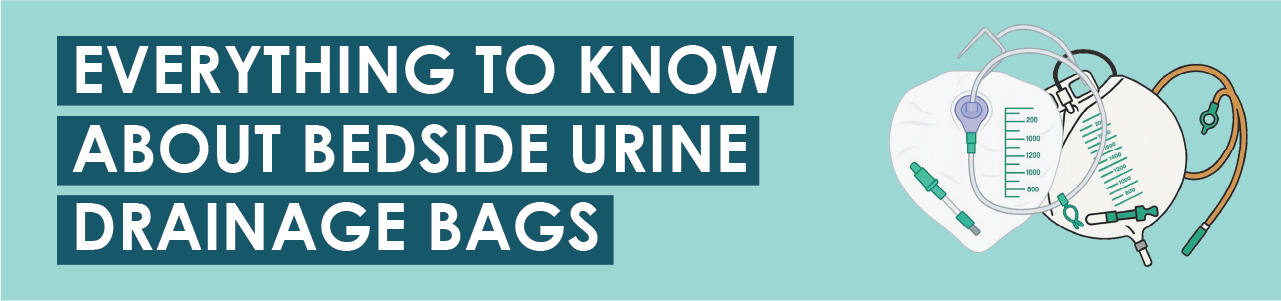
TL;DR: Bedside urine drainage bags are high-capacity collection systems used with indwelling catheters to manage long-term urinary output by gravity. They are commonly used overnight and in limited-mobility settings. This article explains how they work, who uses them, their core features, and how products such as Bard bedside urine drainage bags fit within the broader category.
Jump to section:
- Introduction
- What a bedside drainage bag is and how it works
- Who commonly uses bedside drainage bags
- Key components and features
- How bedside drainage bags differ from leg bags and other options
- What daily and nighttime use typically looks like
- Basic safety and infection-control considerations
Introduction
Bedside collection systems are a common part of long-term urinary care at home and in care facilities. They are used with indwelling catheter systems to collect output by gravity when regular bathroom access is limited. These setups support continuous overnight and extended-use collection for individuals managing ongoing urinary needs, especially those with reduced mobility.
This article explains how these systems work, who typically relies on them, and how they fit into daily and overnight routines. Bard bedside urine drainage bag examples are referenced only as a familiar example within the larger category of urinary collection solutions for limited mobility.
What a Bedside Drainage Bag Is and How It Works
A bedside urine drainage bag is a high-capacity collection unit connected to a Foley catheter or similar indwelling device. It uses gravity-based flow, meaning output moves naturally downward from the bladder through catheter tubing into the bedside collection bag.
For proper flow, the unit must remain below bladder level at all times. Fluid drains continuously as it is produced, making these systems well suited for long-duration use, including overnight and extended daytime positioning when mobility is limited.
Who Commonly Uses Drainage Bags
These bedside systems are most often used in chronic urinary retention management and related long-term care settings. Common users include individuals with neurogenic bladder care needs, those who are bedbound, and patients in nursing home environments.
They are also widely used for overnight collection where higher capacity reduces the need for nighttime disconnections. Some patients rely on bedside setups full time when transferring to the bathroom is unsafe or impractical.
Key Components and Features
While designs vary, most bedside collection systems share the same core components and performance features that support safe, continuous use.
- High-capacity collection chamber designed for overnight output
- Inlet tubing and connector for catheter attachment
- Anti-reflux chamber to help reduce backflow
- Outlet valve for controlled emptying
- Hanger for bed frames or stands
- Sampling port for testing on select models
These components allow bedside systems to function as closed urinary collection setups when properly connected and maintained.
How These Bags Differ from Leg Bags and Other Options
The most common comparison is leg bag vs bedside bag. Leg bags are designed for daytime mobility and are worn on the calf or thigh. Bedside units, in contrast, are stationary collection systems and are typically used overnight.
Daytime leg bag use supports walking and transfers, while overnight bedside systems reduce nighttime trips and minimize disconnections. Some patients transition between both daily, while others remain on bedside systems full time due to limited mobility.
What Daily and Nighttime Use Typically Looks Like
An overnight routine usually involves connecting the catheter to the bedside collection unit, positioning it below bladder level, and confirming unobstructed tubing. The setup is commonly placed on a bed frame or stand for stability.
Attention is given to tubing positioning and kink prevention to maintain uninterrupted flow. Emptying typically occurs in the morning or when the unit approaches capacity. Many users switch between leg and bedside systems during the day as activity levels change.
Basic Safety and Infection-Control Considerations
Maintaining a closed collection system is a central safety goal. Keeping the unit below bladder level supports backflow prevention and helps reduce urinary tract infection risk factors.
Regular emptying with proper outlet technique is important to avoid overfilling. The outlet valve should not touch any collection surfaces. Keeping the system below bladder level at all times, including during transfers, helps protect tubing integrity and flow direction.
Conclusion
Bedside urine drainage bags function as high-capacity, gravity-based collection systems within indwelling catheter setups. They support long-term urinary care at home, in nursing facilities, and in rehabilitation settings where mobility is limited.
Understanding these systems helps with planning for long-term care and integrating bedside collection into daily routines. Part 2 will focus on how to use a bedside urine drainage bag at home, including step-by-step setup and daily workflow.

Login and Registration Form