Quick Summary:
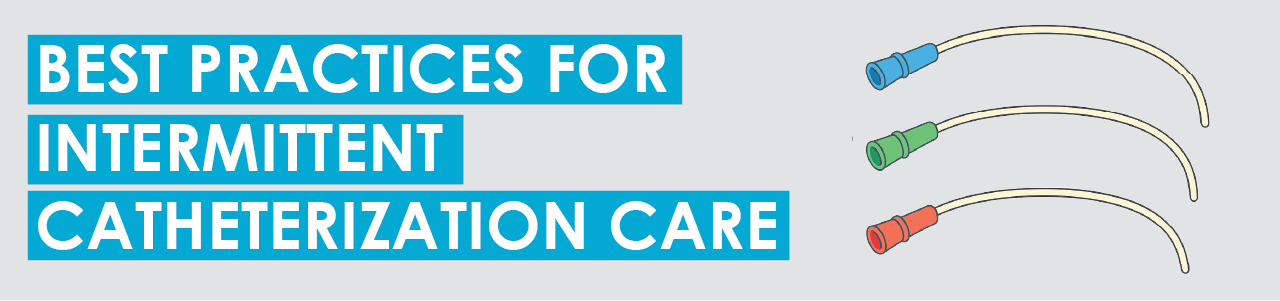
Intermittent catheterization requires specific care to prevent catheter-associated urinary tract infections (CAUTIs). This blog discusses the six best practices for ensuring the safe use of intermittent catheters and preventing the incidence of infection.
Click a link to jump to the section.
Introduction
Intermittent catheterization (also known as self-catheterization) is the process of manually emptying the bladder with a disposable catheter1. Intermittent catheterization is usually recommended for those with bladder issues, spinal cord injuries, or other medical conditions that may make it difficult to urinate normally. Avoiding urethral contamination is essential in preventing UTIs while using catheters.
Self-catheterization can feel intimidating at first, but with time and practice, it will come more naturally with the following tips and infection prevention practices.
NOTE: This information is provided for general informational purposes only and should not be considered professional medical advice. Please consult with your healthcare provider for specific medical advice.
1. Wash Hands and Use Gloves
Safe intermittent catheterization always starts with clean hands. Good hand hygiene is crucial in preventing urinary tract infections (UTIs), or more specifically, catheter-associated urinary tract infections.
Clean hands help prevent harmful bacteria and germs from entering the urethra. UTIs can be irritating and uncomfortable, but they can also pose serious health risks. Preventing these infections is much easier than treating them. If left untreated, UTIs can cause permanent damage.
You can also use gloves for additional protection. Wash your hands thoroughly before touching or putting on gloves to help maintain sterility.

2. Use the Right Catheter Size and Type
Not every catheter works for everyone. Using the right size and type makes all the difference in comfortable catheterization. So how do you determine the right size and type of catheter?
The Right Size
Catheter sizes are measured in French sizes, which refer to the diameter of the catheter tube. For adult women, typical French sizes2 range from 10 to 12, and for adult men, sizes range from 14 to 16. Talk with your doctor about determining the correct size for you.
When using a new catheter size for the first time, it's essential to pay attention to how your body feels during insertion and how convenient the catheter is to use. A catheter that is too large may be uncomfortable or painful to insert, while one that is too small may allow urine to leak around the tube or significantly slow down urine drainage.
The Right Type
Coude vs Straight
Straight tip catheters are your standard catheter type, straight from end to end. Coudé tip catheters have a curved tip and come in several styles, and may be more comfortable when insertion requires navigating obstructions or blockages. Consult with your healthcare provider to determine the best tip style catheter for your needs.
Coated vs Uncoated
Catheters can be either coated or uncoated; coated types are pre-lubricated, while uncoated types require self-lubrication.
Some may prefer an uncoated catheter because they can choose their own lubricant, and it may be easier to hold and maneuver for those with hand dexterity issues3.
Others may prefer a coated catheter for its convenience, allowing them to skip the lubrication step entirely. Precoated catheters also help users prevent the stress of ensuring the catheter is properly lubricated before insertion.
Coated catheters are often hydrophilic. A hydrophilic catheter is easily activated with sterile water, maintaining even lubrication during insertion. The best choice for you is what feels most comfortable and easy to use. It should also help reduce friction during insertion.
3. Maintain a Clean Technique During Insertion
Several techniques help prevent contamination during intermittent catheterization. The most common techniques for catheterization at home are the clean or no-touch techniques.
The clean technique involves washing your hands thoroughly before handling the catheter - do not touch the tip before insertion, even with clean hands.
Many catheters now include protective sleeves that enable the use of the no-touch technique, meaning you don't touch any part of the catheter before insertion. This helps prevent cross-contamination and infection and ensure safe self-catheterization.
Maintaining a clean area at home to catheterize is extremely important. Maintaining a sterile field is usually only possible in clinical settings, but you can still create a clean, safe space for catheterization at home. Only place catheters and supplies on a clean, flat, nonporous surface. Do not touch any nonsterile surfaces during catheterization.
4. Lubricate Properly to Reduce Friction and Trauma
Proper catheter lubrication is essential for preventing damage and irritation to the delicate tissue of the bladder and urethra, ensuring a more comfortable experience when inserting and removing the catheter.
When choosing a lubricant, opt for a water-soluble lubricant designed for medical use. Petroleum or oil-based lubricants can cause infection or even cause the catheter to break down.
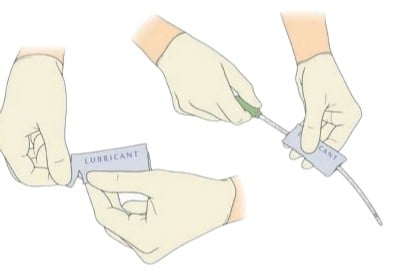
How to Lubricate A Catheter
- Wash your hands thoroughly with soap and warm water. Dry your hands with a clean towel.
- Open both ends of the lubricant package and insert catheter. Start applying lubricant to the catheter by moving packet from tip to base. Apply lubricant generously, but not in excess. Rub the catheter back and forth as well as up and down to ensure an even coating.
- You'll know if the catheter is properly lubricated if it is comfortable to insert and use. If you experience pain or discomfort while inserting the catheter, start the process over with a new catheter and try adding more lubricant. Don't try to muscle through the pain; improper lubrication can cause urethral trauma and infection.
5. Follow a Consistent Schedule
Maintaining a consistent catheterization schedule is important for several reasons, as it helps:
- Prevent UTIs: Not draining your bladder regularly can cause stress on the bladder and allow bacteria to accumulate, raising your chances of developing a UTI.
- Avoid Accidents: If you no longer experience the sensation of a full bladder, it is especially important to catheterize regularly to avoid leakage and pressure on the bladder.
- Protect Your Kidneys: A consistently overfull bladder can hurt the kidneys.
Your healthcare provider will help you create a catheterization schedule that best suits your body and overall health. Generally, most users catheterize around 4 to 6 times each day. Timed catheterization schedules help ensure your bladder is never overfull.
6. Monitor for Signs of Catheter-Related Infections
Symptoms of a urinary tract infection4 include, but are not limited to:
- Pain or burning sensation while urinating
- Fever and/or chills
- Urinating more frequently
- Pain or tenderness in the upper back or sides
- Cloudy and/or dark urine
- Blood in the urine
- Pelvic or rectal pain
If you experience one or more of these symptoms, contact your doctor. They may need to conduct urine tests to identify the bacteria present and determine the appropriate antibiotics to treat the infection.

Conclusion
Maintaining consistent catheter hygiene protects your health and helps reduce the risk of infection. It can also make catheterization more comfortable and convenient, enhancing your quality of life. Browse Vitality Medical's wide selection of intermittent catheters to find the best catheter for you.
Footnotes
- 1 "Cleveland Clinic. (2024, May 1)." What is self-catheterization?
- 2 "Byram Healthcare. (2023, December 11)." How to choose the right catheter size and type.
- 3 "Landrum, A. (2022, August 4)." Uncoated vs. hydrophilic catheters: What’s the difference?
- 4 "Centers for Disease Control and Prevention. (2025, June 27)." Catheter-associated urinary tract infection (CAUTI) basics.

Login and Registration Form