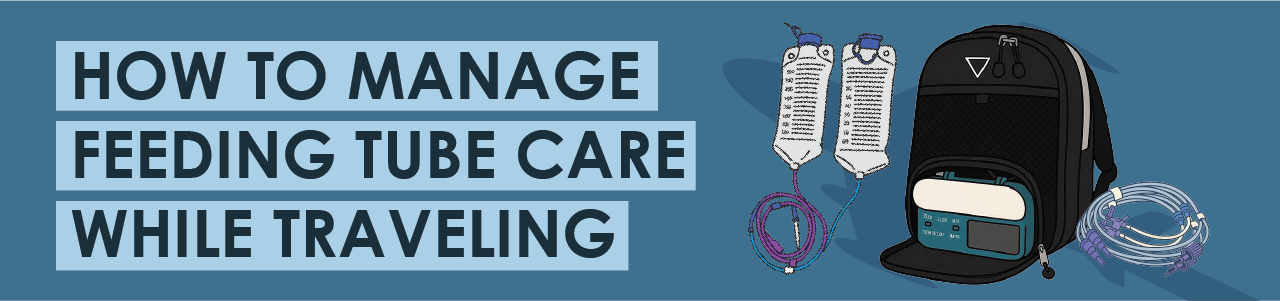
Quick Summary:
This blog covers tips for properly preparing for and planning your trip with a feeding tube.
Click a link to jump to the section.
Introduction
Living with a feeding tube doesn't have to hold you back from traveling! With the right planning, preparation, and organization, you can go anywhere. This blog covers everything you need to know about traveling with a feeding tube and how you can prepare for the trip.
1. Preparing for Travel With a Feeding Tube
- Talk to Your Doctor:
Before your trip, discuss your travel plans with your doctor. Tell them where you plan to go and how long your trip will be. This way, they can help you figure out what supplies and medications you need. Follow up with your insurance agency to check which doctors or clinics are in network at your destination. Emergency hospitalizations are always covered by insurance, whether or not the hospital you go to is in network. - Ask Your Doctor for a Medical Travel Letter:
If you're flying to your destination, your doctor can provide you with a letter to airport security explaining why you need a feeding tube, what type of feeding tube you have, and the liquids you'll be carrying on board. - Call TSA Cares Hotline:
If you're flying, call the TSA hotline at least 72 hours before your flight to inform them that you'll be traveling with a feeding tube, formula, and other equipment. - Plan for Emergencies:
Compile important information in one document. Include your health details, emergency contacts, and names of local hospitals. Make sure to list hospitals at your destination and along your travel route. Include phone numbers for your doctor and home health companies.

If you are staying in a hotel, choose a room with a refrigerator. This will help you safely store your open formula. If you're staying with family or friends, check with them that there will be space in their refrigerator for your feeding supplies. If you want to blend meals, having a kitchen is important. Consider booking your stay with Airbnb or a similar service..
Packing feeding supplies can take up a lot of space and add extra weight to your luggage. It may be helpful to ship necessary supplies to your destination instead. This can save time and energy lugging them to your destination or having to search for a supplier once you arrive; however, shipping supplies can be expensive and may not be worth it for that reason alone. Shipping your supplies can also risk temperature-sensitive formulas and shipments could get lost or delayed.
2. Packing the Right Supplies
When packing supplies, write a list of the usual supplies and the amount you use each day. Use this list to calculate what you'll need to cover your entire trip (the amount listed multiplied by the number of days you'll be away). Pack for an extra day in case of any delays that might extend your trip.
Your tube feeding travel checklist may include:
- Formula
- Feeding tubes
- Feeding pump
- Pump charger
- Feeding sets
- Feeding bags (gravity bag for emergency use if you use a pump)
- Spare extension sets, connectors, and tubes
- Medications
- Sterile or distilled water
- Containers or zip-top bags for storing leftover formula
- Syringes
- Gloves
- Tape
- Cooler and ice packs
3. Transporting and Storing Formula Safely
- Keep Manufacturer Packaging
For best results, pack your formula in its original, unopened container and follow the manufacturer's guidelines for proper storage. - Safely Store Formula
Bring an insulated bag or cooler for temperature control, especially if you're driving long distances without access to a fridge. - Protect Open Formula
Store leftover, opened formulas in a sealed container or zip-top bag. - Bring Ready-to-Go Formula
Pack ready-to-hang and/or shelf-stable formulas for easy access on the go.
4. Managing Feeding During Transit
- Bring Hand-Cleaning Supplies
If you're traveling by car, you'll need to make stops for feeding, and not always in the most convenient of places. Bring antiseptic wipes to clean your hands when water isn't readily available and to avoid having to feed in an unhygienic public restroom. You can even use antiseptic wipes to clean your supplies, if needed. - Ask Ahead About Private Feeding Spots
Feeding in public places may be uncomfortable and make you a little self-conscious. Many restaurants, amusement parks, airports, museums, and more have quiet or breastfeeding areas where you can feed in peace. - Use Feeding Pumps
Portable feeding pumps make enteral feeding on the go convenient and easy. However, it doesn't hurt to pack a gravity feeding set in case of emergency. - Notify TSA Ahead of Time
If you're flying, let TSA officers know that you're traveling with a feeding tube and supplies. Bring a letter from your doctor explaining why you need a feeding tube, especially if you will need to feed on the flight.
5. Staying Organized While Away
- Label and Organize Supplies
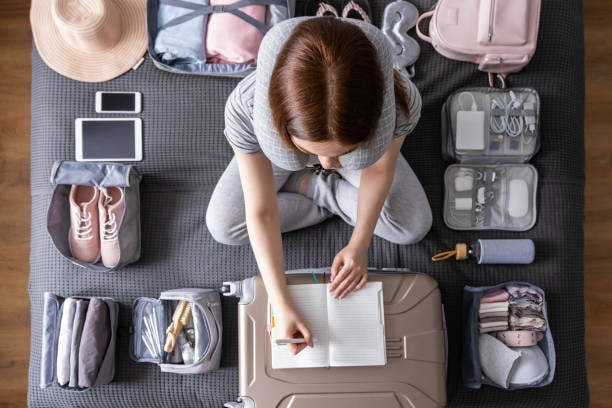
While packing for your trip, try using packing cubes, pouches, or bins to organize your supplies. Sort the amount of supplies you need for one day into each organizer (one organizer for each day of the trip). Even pack one or two extra days' worth of supplies in case of any delays. - Follow Your Typical Routine
It's important to keep your usual feeding routine. Set alarms and feeding schedule reminders on your phone to keep on track. - Keep Track of Feeding Times
Bring a travel feeding log to keep track of the timing and volume of your feedings.
6. Emergency Planning and Backup Preparation
- Bring Extra Supplies
Always plan for potential emergencies. Bring spare supplies to cover two extra days of feeding. - Plan Ahead for Malfunctioning Equipment
If you feed exclusively with a pump, bring a spare feeding pump if you have one. Also, consider bringing a gravity feeding set in case your pump loses battery or malfunctions. - Pack Supplies in a Carry-On Bag
If flying, bring supplies in a carry-on that you can bring with you on the flight, which protects you if your checked luggage gets lost or delayed. - Collect Important Health Information
Research local hospitals and clinics at your destination. Know where to buy extra feeding supplies in case of an emergency.
Conclusion
Just like for any other traveler, a successful trip requires careful planning and coordination. If you take the time to plan your feeding routine and prepare for emergencies, you can have a safe, happy, and healthy vacation. Vitality Medical offers a wide range of enteral feeding supplies for purchase. Browse our selection today and enjoy your trip!

References
- 1 "Abbott Nutrition. (2021, July 14)." Flying With a Feeding Tube A User Guide.
- 2 "Option Care Health." Tips for traveling with Nutrition Support.
- 3 "Hudson, H. (2025, June 12)." Traveling with a feeding tube: 5 tips for hitting the road.
- 4 "Compleat. (2025, June 25)." Traveling with a feeding tube: 5 tips for hitting the road.
- 5 "TubeFed. (2021, June 30)." Plan well and pack smart for travel with a feeding tube.
- 6 "National Foundation of Swallowing Disorders. (2024, November 7)." Traveling with tube feeds.

Login and Registration Form